
When Should You Take Your Pet to an Emergency Vet? Key Warning Signs Every Pet Owner Needs to Know

- 0
- 0

Most pet owners do not realize there is no universal standard for a veterinary "emergency." Emergency clinics set their own triage protocols, prices, and staffing, with little oversight. So, quality, wait times, and costs at 2 AM can vary widely depending on your location and the clinic you visit.
This isn't meant to scare you. Most emergency teams are caring professionals. Still, you must be informed. Recognizing true emergencies versus issues that can wait is vital for your pet's safety.
It's 11 PM. Your dog has vomited twice and seems restless. Should you rush to the emergency vet or wait until morning to call your regular veterinarian? These middle-of-the-night decisions can be agonizing for pet owners, and sometimes they are literally life-or-death.
After treating over 15,000 cases, I've seen pets come in too early for minor problems, and others too late when fast action might have saved them.
This guide will help you spot emergencies, know what can wait, and make smart decisions when your pet needs care. By the end, you'll know when to visit the emergency vet, call for advice, or safely wait.
Critical Disclaimer: When in doubt, call an emergency vet or pet poison hotline. This article provides guidance but cannot replace a professional veterinary assessment. If your instinct says something is seriously wrong, trust it.
Understanding Emergency vs. Urgent vs. Can Wait
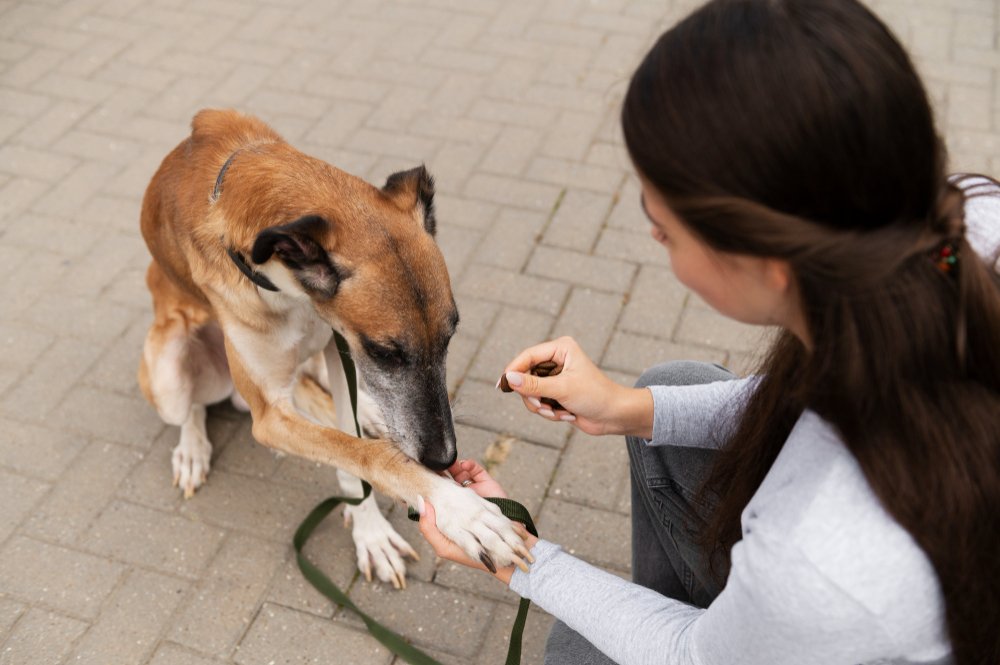
Not all veterinary problems require the same level of urgency. Understanding the difference helps you make appropriate decisions and avoid both unnecessary panic and dangerous delays.
EMERGENCY: Go to the Emergency Vet immediately: Life-threatening situations where minutes to hours matter. Delay can result in death or severe complications.
URGENT Seek Veterinary Care Within 12 to 24 Hours: Serious issues requiring prompt attention, but not immediately life-threatening. Can usually wait until your regular vet opens, but schedule an emergency appointment if needed.
CAN WAIT Schedule Regular Appointment: Non-emergency issues that need veterinary attention but can wait days to a week. Make a normal appointment with your regular vet.
Not sure where your nearest emergency vet is located? Use Petzooie's Find a Vet tool right now, before an emergency strikes. Having that information saved in your phone could save your pet's life.
Life-Threatening Emergencies: Go Now
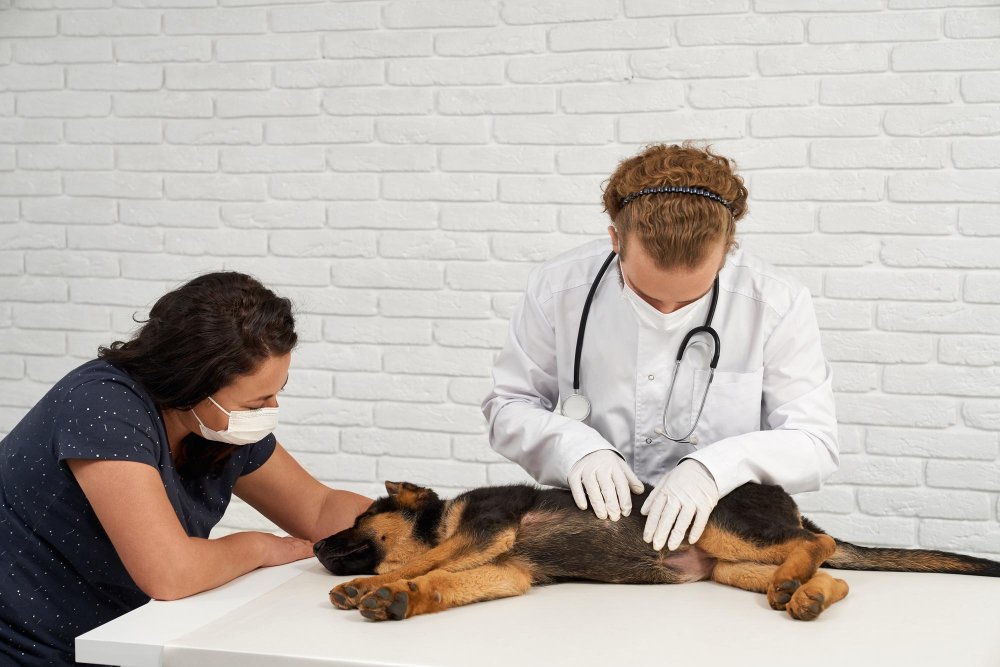
These situations require immediate emergency veterinary care. Do not wait. Do not call first. Get in the car.
1. Difficulty Breathing or Choking
If your pet is struggling to breathe, every second counts. Brain damage can occur within 3 to 5 minutes without adequate oxygen, and these pets are essentially suffocating.
Warning Signs:
- Gasping, wheezing, or struggling to breathe
- Blue or pale gums (healthy gums should be pink)
- Open mouth breathing in cats (this is ALWAYS an emergency)
- Choking sounds or obvious airway obstruction
- Extended neck, standing with elbows out (trying to open the airway)
- Rapid breathing with visible distress (not just from exercise or excitement)
What to Do:
- Go to the emergency vet immediately.
- Keep your pet as calm as possible (stress makes breathing worse)
- If your pet is choking on a visible object and is unconscious, attempt the Heimlich maneuver (look up the technique specific to dogs or cats)
- Do NOT stick your fingers blindly down their throat, as you can push the object deeper.
Common Causes: Asthma attacks (especially in cats), heart failure, pneumonia, allergic reactions, bloat, trauma, foreign objects, and lung disease.
2. Severe Bleeding That Will Not Stop
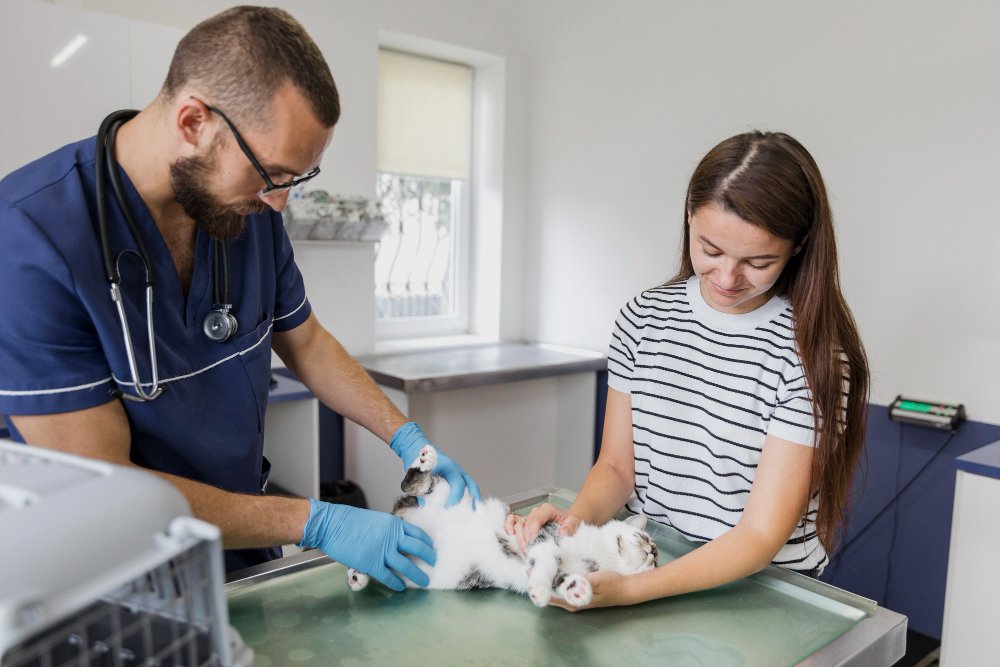
Severe blood loss leads to shock and can be fatal. Pets can lose blood faster than most expect, so act quickly.
Warning Signs:
- Bleeding that continues after 5 minutes of direct pressure
- Blood spurting from a wound (this indicates arterial bleeding)
- A large visible amount of blood loss
- Bleeding from the nose, mouth, rectum, or urinary tract
- Large amounts of blood in vomit or stool
What to Do:
- Apply direct pressure with a clean cloth for at least 5 minutes (do not peek)
- If blood soaks through, add more cloths on top without removing the original layer.
- Elevate the injured area if possible.
- Transport to the emergency vet while maintaining pressure
Common Causes: Trauma, rat poisoning (anticoagulant types), bleeding disorders, severe wounds, and internal bleeding.
3. Seizures
Watching your pet seize is terrifying. Seizures over five minutes may cause brain damage. Multiple seizures in a short time signal a serious issue.
Warning Signs:
- Convulsing, thrashing, or paddling legs
- Loss of consciousness
- Rigid body or locked jaw
- Loss of bowel or bladder control
- Multiple seizures or a single seizure lasting more than 3 minutes
What to Do:
- Move objects out of reach, so your pet does not hurt themselves.
- Do NOT put your hands near their mouth (you will be bitten)
- Time of the seizure, as this is critical information for the vet
- After the seizure ends, keep your pet calm and head to the emergency vet.
- If the seizure lasts more than 3 minutes or multiple seizures occur, go immediately
Common Causes: Epilepsy, toxin ingestion, brain tumors, liver disease, low blood sugar, and heatstroke.
4. Bloat (Gastric Dilatation Volvulus)
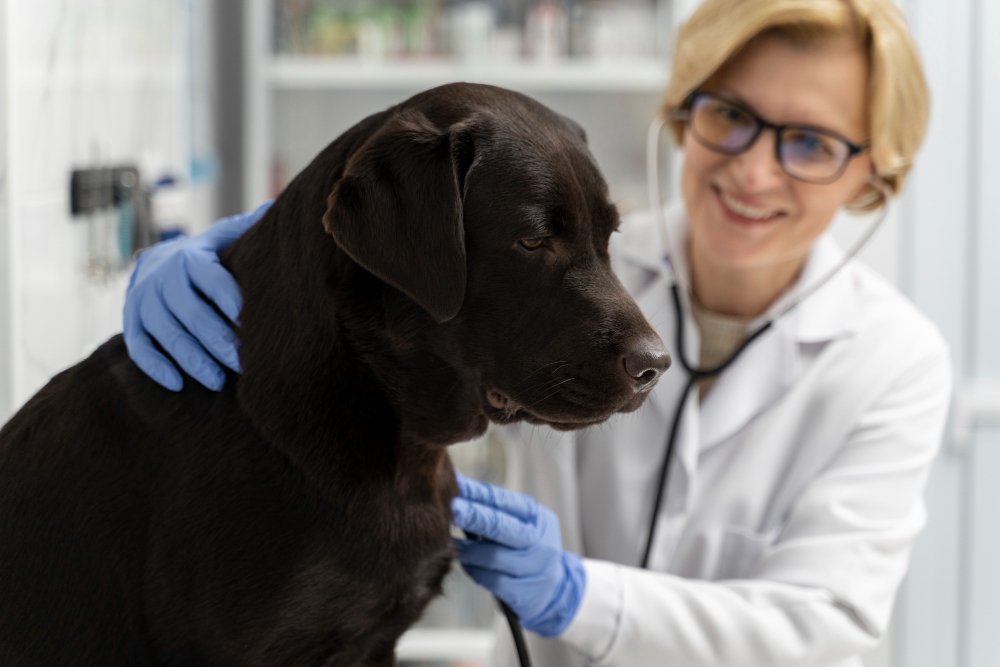
Bloat is one of the most time-sensitive emergencies in veterinary medicine. When the stomach twists, it cuts off the blood supply, and without surgery, bloat kills within hours. Mortality increases with every hour of delay.
Warning Signs:
- Distended, tight, drum-like abdomen
- Non-productive retching (trying to vomit, but nothing comes up)
- Excessive drooling
- Restlessness, pacing, and an inability to get comfortable
- Weak, rapid pulse
- Pale gums
At Risk Breeds: Large, deep-chested dogs such as Great Danes, German Shepherds, Standard Poodles, Weimaraners, and Dobermans.
Go to the emergency vet immediately. Do not delay—this is a surgical emergency.
Prevention: Feed multiple small meals throughout the day, avoid vigorous exercise immediately after eating, and consider using slow feed bowls.
5. Trauma (Hit by Car, Fall, Attack)
Any significant trauma warrants an emergency vet visit, even if your pet seems fine afterward. Internal injuries, organ damage, and internal bleeding can develop rapidly and may not be visible on the outside.
Warning Signs:
- Any significant physical trauma
- Visible injuries or wounds
- Severe limping or inability to walk
- Appearing dazed or disoriented
- Unconsciousness
What to Do:
- Carefully transport your pet (use a board or towel as a stretcher if possible)
- Keep the spine stable if you suspect a spinal injury.
- Cover wounds with a clean cloth.
- Go to the emergency vet immediately.
- Handle your pet carefully, as injured pets may bite from pain even if they are normally gentle.
6. Inability to Urinate (Especially Male Cats)
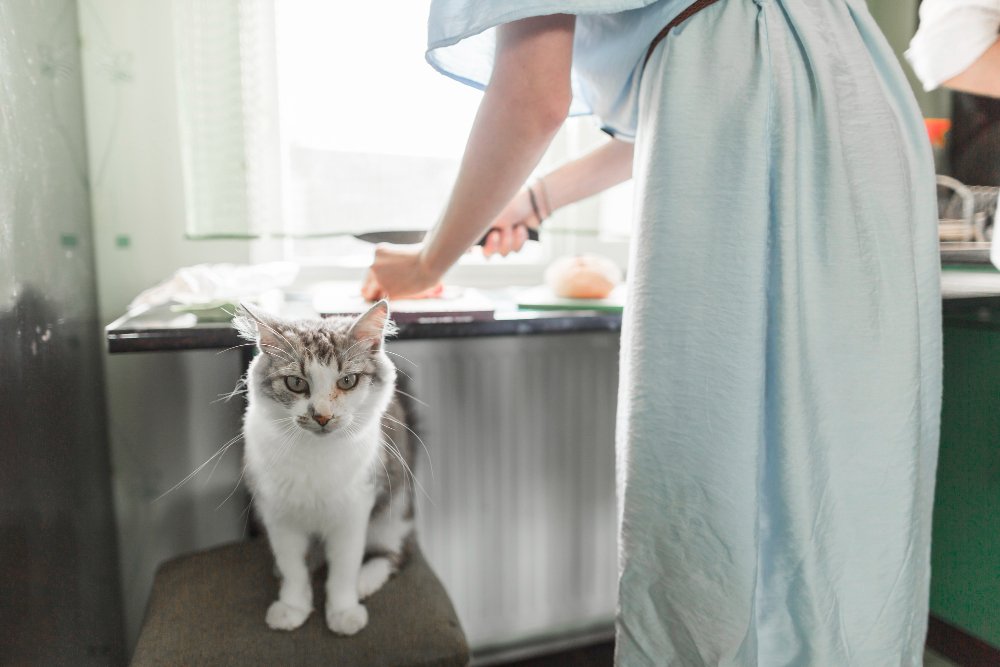
Urinary blockage is a true emergency that causes kidney failure and death within 24 to 48 hours if left untreated. This is especially common and deadly in male cats, though it can happen in any pet.
Warning Signs:
- Straining in the litter box with no urine production
- Crying out in pain when attempting to urinate
- Frequent attempts to urinate with little or nothing coming out
- Excessive licking of the genital area
- Vomiting, lethargy, or a distended, painful abdomen as the condition worsens
Important Note: Straining in the litter box could be constipation (less urgent) or urinary blockage (life-threatening). When in doubt, go to the vet.
7. Toxin Ingestion
Many common household substances are deadly to pets, and early treatment dramatically improves survival rates. If you know or suspect your pet has ingested something toxic, time is of the essence.
Warning Signs (depending on the toxin):
- Known ingestion: chocolate, xylitol, grapes, raisins, antifreeze, rat poison, medications
- Vomiting or diarrhea
- Seizures or tremors
- Excessive drooling
- Difficulty breathing, collapse, or weakness
What to Do:
- Note what was ingested, how much, and when
- Call Pet Poison Helpline (855 764 7661, $75 fee) or ASPCA Poison Control (888 426 4435, $95 fee) while en route.
- Bring the packaging or container, if possible.
- Do NOT induce vomiting unless specifically instructed by poison control.
- Go to the emergency vet immediately.
Common Deadly Toxins for Pets:
- Xylitol (found in sugar-free gum and some peanut butters): causes liver failure in dogs.
- Chocolate: the darker the chocolate, the more dangerous it is
- Grapes and raisins: can cause kidney failure at unpredictable doses
- Antifreeze: Its sweet taste attracts pets, and it causes kidney failure
- Rat poison: causes internal bleeding that may take days to show symptoms
- NSAIDs like ibuprofen cause stomach ulcers and kidney failure.
- Marijuana and THC products: very toxic to pets
For more information on keeping your pet safe from household toxins, visit our pet health resource library.
8. Collapse or Extreme Weakness

If your pet suddenly collapses or becomes so weak that they cannot stand, something serious is happening inside their body. This typically indicates shock, internal bleeding, heart failure, or another life-threatening condition.
Warning Signs:
- Sudden collapse
- Cannot stand or walk
- Extreme lethargy (will not lift their head)
- Unresponsive or semi-conscious
- Pale or white gums
What to Do:
- Check gum color (pale equals emergency)
- Check for breathing and pulse.
- Keep your pet warm
- Transport to the emergency vet immediately
- Be prepared to perform CPR if needed (learn the technique in advance)
9. Heatstroke
When your pet's body temperature exceeds 106 degrees Fahrenheit, organ failure and brain damage can occur. Heatstroke can be fatal within 30 minutes, making rapid cooling and emergency care essential.
Warning Signs:
- Heavy panting and difficulty breathing
- Thick, ropy drool
- Bright red tongue and gums (or pale as the condition progresses)
- Vomiting or diarrhea
- Weakness, collapse, or seizures
What to Do:
- Move your pet to a cool area immediately.
- Apply cool (not ice cold) water to the belly, paws, and neck.
- Offer small amounts of cool water if your pet can drink.
- Use a fan if one is available.
- Head to the emergency vet while continuing to cool your pet (do not delay transport to finish cooling)
Prevention: Never leave pets in a hot car (even with the windows cracked), limit exercise during the hottest parts of the day, and always provide shade and fresh water.
10. Eye Injuries
Eyes can sustain permanent damage within hours, and vision loss can be irreversible. Any obvious eye injury warrants an immediate emergency visit.
Warning Signs:
- Obvious eye injury or trauma
- Eye bulging or protruding from the socket
- Sudden blindness
- Extremely red, painful eye
- Constant squinting or pawing at the eye
- Foreign object visible in the eye
What to Do:
- Do NOT try to remove foreign objects yourself.
- Prevent your pet from pawing at the eye (use a cone or e-collar if you have one)
- For a bulging eye, apply a cool, wet compress and go immediately.
- Head to the emergency vet right away
Urgent Situations: Seek Care Within 12 to 24 Hours
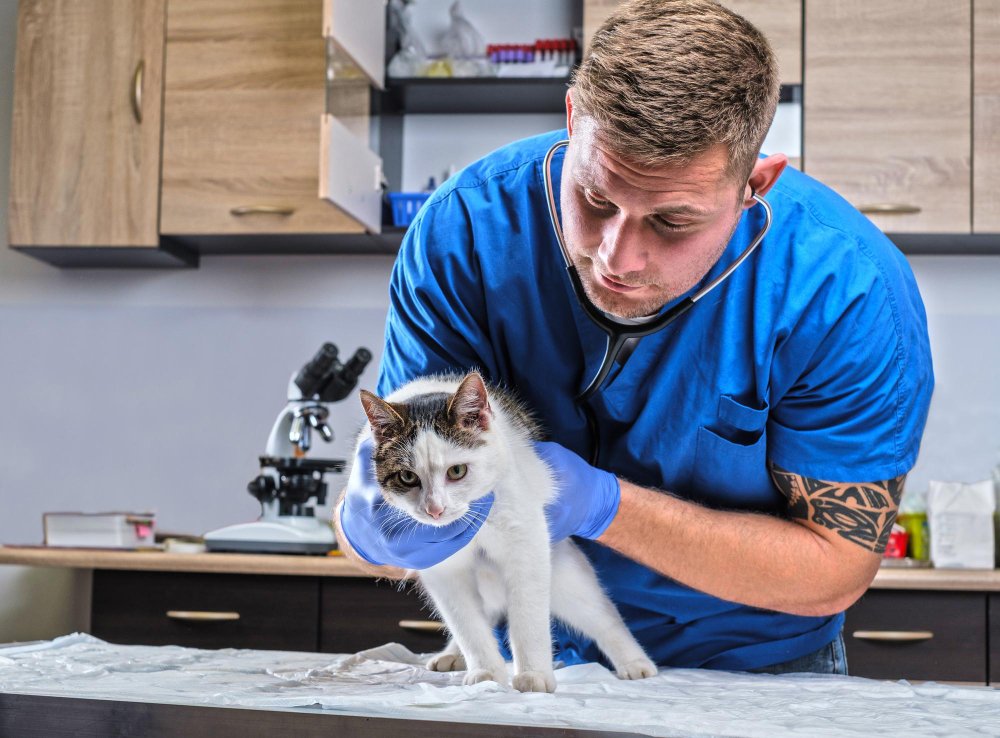
These conditions require veterinary attention but are not immediately life-threatening. Call your regular vet when they open or visit an urgent care clinic.
Vomiting or Diarrhea
Can Usually Wait If:
- Only 1 to 2 episodes
- Your pet is still eating and drinking.
- They are acting relatively normal.
- There is no blood in vomit or stool.
Becomes an Emergency If:
- Multiple episodes (more than 3 to 4 times)
- Your pet cannot keep water down.
- There is blood in the vomit or stool.
- Extreme lethargy or a painful abdomen develops.
- It lasts more than 24 hours.
Limping
Can Usually Wait If:
- Mild limping, but your pet is still using the leg.
- No visible injury and not in severe pain
- It just started after play or exercise.
Becomes an Emergency If:
- Your pet cannot bear any weight.
- There is an obvious fracture or dislocation.
- Severe pain is present, or the leg is at an abnormal angle.
- It followed significant trauma.
Ear Infections and Skin Issues
Most ear infections and skin issues, such as rashes, itching, and hot spots, can wait for a regular appointment. However, if you notice head tilting, loss of balance, facial paralysis, or rapidly spreading swelling (which could signal an allergic reaction or snake bite), treat it as an emergency.
What Can Wait: Schedule a Regular Appointment
These issues need veterinary attention, but are not time sensitive:
- Mild scratching or itching
- Small lumps or bumps that are stable and not growing rapidly
- Mild coughing with no distress
- Bad breath or dental issues
- Gradual weight loss or gain
- Mild behavioral changes
- Chronic condition management (arthritis, allergies) needs a refill.
- Routine wellness care
When to Call First vs. When to Just Go
Just Go (Do Not Call First):
- Any of the life-threatening emergencies listed above
- Respiratory distress or bloat
- Severe bleeding or seizures lasting more than 3 minutes
- Significant trauma
- In these situations, time matters more than discussion.
Call First:
- You are unsure whether it qualifies as an emergency.
- You need guidance on what to monitor.
- You want an assessment before incurring emergency costs.
- An isolated vomiting or diarrhea episode
- Toxin ingestion (call poison control while en route)
What Emergency Vet Care Actually Costs: A Realistic Breakdown
One of the biggest sources of stress during a pet emergency is not knowing what to expect financially. Emergency vet costs vary significantly depending on where you live, the time of day, and the severity of your pet's condition. Here is a realistic breakdown as of 2026:
|
Service |
Typical Cost Range |
Notes |
|
Emergency exam fee |
$150 to $350 |
Charged just for walking in the door |
|
Basic emergency visit |
$500 to $2,000 |
Includes diagnostics and basic treatment |
|
Critical or intensive care |
$2,000 to $10,000+ |
Overnight stays, surgery, or complex cases |
|
Bloat surgery (GDV) |
$3,000 to $8,000 |
Highly time sensitive; costs rise with delay |
|
Toxin decontamination |
$500 to $3,000 |
Varies widely depending on the substance |
|
Fracture repair |
$1,500 to $5,000 |
Depends on location and severity |
|
Overnight hospitalization |
$1,000 to $3,000 per night |
IV fluids, monitoring, and medications |
Financial Tip: Ask about payment plans or CareCredit before your emergency happens. Many clinics offer financing options, but the time to research them is now, not while you are sitting in the waiting room at midnight.
Pet Insurance Consideration: If you do not already have pet insurance, it is worth looking into. Most emergency vet plans have a deductible and then cover 70% to 90% of costs. The average monthly premium in 2026 ranges from $30 to $60 for dogs and $15 to $35 for cats, which can save you thousands in a single emergency.
Before an Emergency Happens: A Conversation to Have With Your Vet
One of the smartest things you can do as a pet owner is have a proactive conversation with your regular veterinarian about emergency preparedness. Most vets are happy to spend a few minutes discussing this during a routine visit, and the information can be invaluable when you are panicked at 2 AM.
Questions to Ask Your Vet:
- Which emergency clinic do you recommend in our area, and do you have a referral relationship with them?
- Are there any breed-specific or age-specific emergencies I should watch for with my pet?
- Does my pet have any pre-existing conditions that increase their risk in an emergency?
- What medications should I keep on hand at home?
- Can I get a copy of my pet's medical records to keep in my car or phone?
- What is the best after-hours number to reach your clinic for advice?
If you do not yet have a regular vet or are looking for one closer to home, find a trusted veterinarian near you so you are never starting from scratch during a crisis.
After the Emergency: Recovery and Follow-Up Care
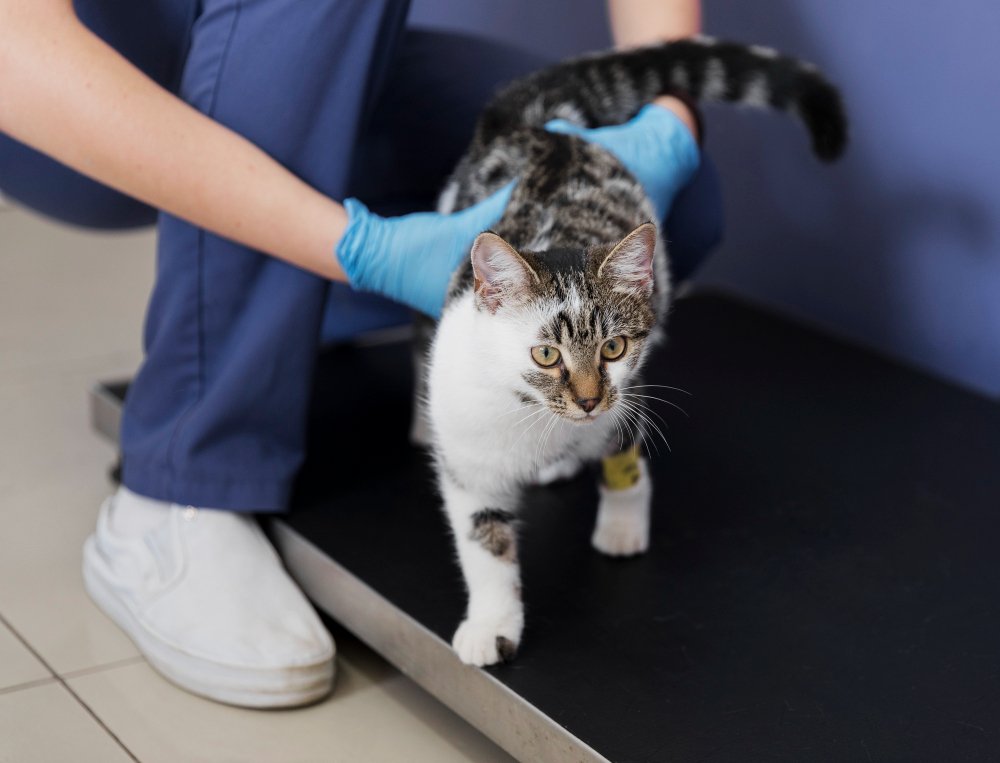
The emergency visit is just the beginning. What happens in the days and weeks afterward is just as important for your pet's full recovery.
The First 48 Hours at Home
- Follow all discharge instructions from the emergency vet exactly, including medication schedules and activity restrictions.
- Create a quiet, comfortable recovery space away from other pets and children.
- Monitor your pet closely for any return of symptoms or new concerns.
- Keep a written log of eating, drinking, urination, bowel movements, and energy levels.
Follow Up With Your Regular Vet
Always schedule a follow-up appointment with your regular veterinarian within 3 to 5 days of an emergency visit, even if your pet seems to be recovering well. Your regular vet knows your pet's history and can catch subtle changes that a one-time emergency visit might miss.
Watch for Delayed Complications
Some emergency conditions can have delayed effects that show up days or even weeks later:
- Trauma: watch for changes in appetite, mobility, or behavior that may indicate internal injuries missed during initial assessment
- Toxin ingestion: kidney and liver values may need to be rechecked 48 to 72 hours later
- Seizures: your vet may want to run bloodwork and imaging to identify the underlying cause
- Heatstroke: organ damage can develop gradually, so follow-up bloodwork is important
Emotional Recovery (For You and Your Pet)
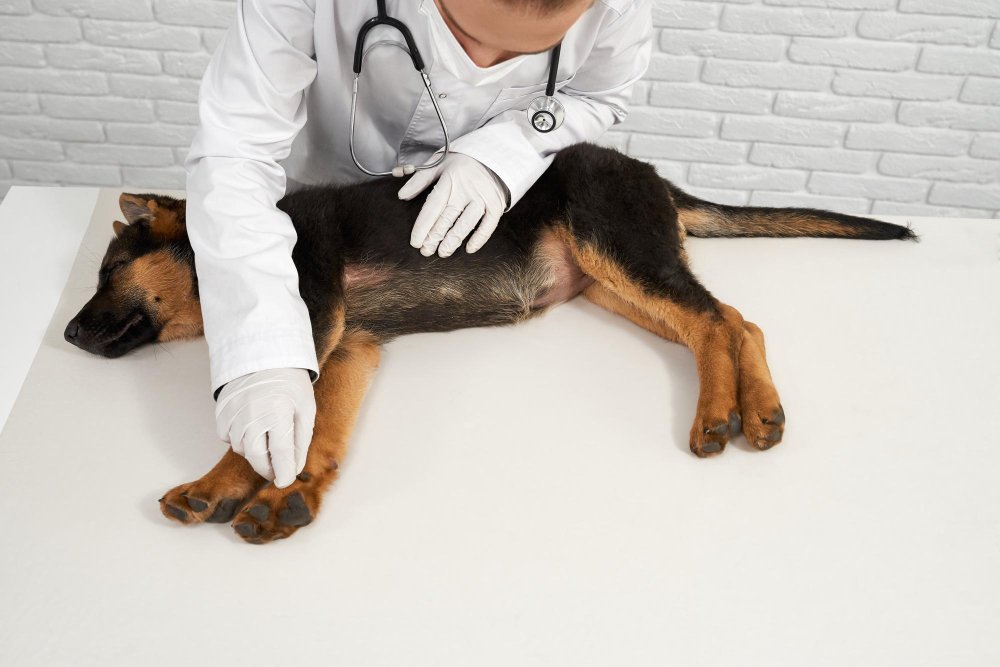
Do not underestimate the emotional toll of a pet emergency. Your pet may be anxious, clingy, or withdrawn for a few days, and honestly, you might be too. That is completely normal. Give both of you grace during the recovery period, and do not hesitate to call your vet if anything feels off.
For ongoing health tips and recovery guidance, explore our pet health articles for evidence-based information on nutrition and post-surgical care.
Seasonal Emergency Risks: What to Watch for Throughout the Year
Different times of the year bring different emergency risks for your pets. Being aware of seasonal hazards can help you prevent emergencies before they happen.
Spring
- Increased use of fertilizers, pesticides, and herbicides in yards and gardens (all potentially toxic)
- Emergence of snakes and insects that can cause bites and stings
- Easter chocolate and candy containing xylitol become common household hazards.
- Toxic spring flowers, including lilies (extremely toxic to cats), tulips, and daffodils
Summer
- Heatstroke risk skyrockets, especially for flat-faced breeds like Bulldogs, Pugs, and Persian cats
- Water hazards, including pool drowning, blue-green algae in lakes, and saltwater ingestion at the beach
- Fireworks season causes panic, escape, and trauma from running into traffic.
- Increased risk of foreign body ingestion from outdoor play (sticks, rocks, corn cobs at barbecues)
Fall
- Antifreeze becomes more accessible as people winterize vehicles (just a tablespoon can kill a cat)
- Rat poison use increases as rodents seek shelter indoors.
- Halloween candy, especially chocolate and xylitol-containing treats
- Mushrooms sprout in moist conditions, and wide wild varieties are toxic to pets.
Winter
- Hypothermia and frostbite risk for outdoor pets or during extended walks
- Ice melt products and rock salt can burn paw pads and cause toxicity if licked
- Holiday hazards, including tinsel, ornaments, poinsettias, and rich table food
- Carbon monoxide exposure from generators or space heaters in poorly ventilated spaces
Emergency Preparedness Checklist: What Every Pet Owner Should Have Ready
Having these items organized and accessible before an emergency happens can save valuable time and reduce panic.
Your Pet Emergency Kit
- A pet first aid kit (available at most pet stores or easily assembled at home)
- A cone or e-collar in your pet's size
- Clean towels or blankets (for transport, compression, and warmth)
- A muzzle that fits your pet (even the gentlest pets may bite when in severe pain)
- A sturdy pet carrier
- Hydrogen peroxide 3% (to induce vomiting only if directed by poison control)
- A digital rectal thermometer and water based lubricant
- Gauze, non-stick bandages, and medical tape
- Saline eye wash
Information to Keep in Your Phone or Wallet
- Address and phone number of your nearest 24-hour emergency vet
- Directions or a saved GPS route to the emergency clinic
- Pet Poison Helpline number: 855 764 7661
- ASPCA Poison Control number: 888 426 4435
- Your pet's current medications and dosages
- A photo of your pet's most recent vaccination records
- Your regular vet's after-hours phone number.
Financial Preparedness
- A designated pet emergency fund of $1,000 to $5,000 (even a small savings cushion helps)
- A CareCredit account or similar veterinary financing, pre-approved
- Pet insurance policy details and claims phone number
- A payment method you can access at any hour
Take one minute right now to look up your nearest emergency vet on Petzooie and save the address in your phone. Future you will be grateful.
Trust Your Instincts
If something feels seriously wrong with your pet, it probably is. You know your pet better than anyone, and behavioral changes can sometimes be the only visible sign of internal problems.
Red Flags That Something Is Seriously Wrong:
- Your pet is "not acting right" (vague, but often the most accurate warning sign)
- Hiding, especially in cats
- Refusing to make eye contact
- An extreme personality change
- Refusing their favorite treat
- Not greeting you normally.
Emergency vets would rather see you for a false alarm than have you wait too long for a real emergency. That is a direct quote from just about every emergency veterinarian I have ever worked with.
Frequently Asked Questions About Emergency Vet Visits
How do I know if my pet's symptoms are a true emergency or can wait until morning?
Use the framework in this guide. If your pet is experiencing any of the 10 life-threatening emergencies listed above (difficulty breathing, severe bleeding, seizures, bloat, major trauma, inability to urinate, toxin ingestion, collapse, heatstroke, or eye injuries), go to the emergency vet immediately. For everything else, assess whether your pet is eating, drinking, and behaving relatively normally. When in doubt, call the emergency clinic for phone guidance.
Is it worth taking my pet to the emergency vet if they only vomited once?
A single episode of vomiting in an otherwise healthy, alert pet that is still eating and drinking is usually not an emergency. Monitor closely for the next 12 to 24 hours. However, if vomiting is accompanied by lethargy, blood, a painful abdomen, or if your pet cannot keep water down, seek care promptly.
How much does an emergency vet visit typically cost?
Emergency exam fees alone typically range from $150 to $350. A standard emergency visit with diagnostics runs $500 to $2,000, while critical care or surgery can exceed $5,000 to $10,000. Costs vary significantly by region and the severity of the condition. Always ask about payment plans and financing options.
Can I call the emergency vet for advice before bringing my pet in?
Yes, and most emergency vets encourage this for non-obvious emergencies. They can help you assess the situation over the phone and advise whether an immediate visit is necessary. However, for the life-threatening emergencies listed in this guide, do not call first. Just go.
My cat is breathing with its mouth open. Is that always an emergency?
Yes. Open-mouth breathing in cats is always considered an emergency. Unlike dogs, cats do not normally pant. If your cat is breathing with its mouth open, it typically indicates severe respiratory distress or a cardiovascular emergency, and you should get to the vet immediately.
What should I do if I think my pet has eaten something toxic but am not sure?
Call Pet Poison Helpline (855 764 7661) or ASPCA Poison Control (888 426 4435) right away. Even if you are not certain what was ingested, they can help you assess the risk based on what you observed. Do not wait for symptoms to appear, as many toxins cause damage before visible signs develop. Do not induce vomiting unless specifically directed by a professional.
How can I tell if my dog has bloat?
The hallmark signs of bloat include a visibly distended, tight abdomen, non-productive retching (trying to vomit but nothing comes up), excessive drooling, restlessness, and pale gums. If your dog is a large, deep-chested breed and you observe any combination of these symptoms, go to the emergency vet immediately. Bloat progresses rapidly and is fatal without surgery.
Should I keep a pet first aid kit at home?
Absolutely. A basic pet first aid kit should include gauze, non-stick bandages, medical tape, hydrogen peroxide (3%), a digital thermometer, saline eye wash, a muzzle, and a cone or e-collar. Having these items ready saves valuable time during an emergency. See the full checklist in the Emergency Preparedness section above.
Does pet insurance cover emergency vet visits?
Most pet insurance plans do cover emergency vet visits, though coverage depends on your specific plan, deductible, and whether the condition is considered pre-existing. In 2026, the average monthly premium ranges from $30 to $60 for dogs and $15 to $35 for cats. Given that a single emergency visit can cost thousands, insurance is worth serious consideration.
What if I cannot afford emergency vet care?
First, do not let cost prevent you from seeking help if your pet is in a life-threatening situation. Many emergency clinics offer payment plans, accept CareCredit, or can connect you with charitable organizations that assist with veterinary costs. Some options include RedRover Relief, The Pet Fund, and breed-specific rescue organizations. Ask the clinic directly about financial assistance. It is also a good idea to start a small emergency savings fund now, even $20 a month adds up over time.
Final Thoughts: Better Safe Than Sorry
Emergency veterinary care is expensive and stressful, but it saves lives. When facing a middle-of-the-night decision, ask yourself these questions:
- Could this kill my pet in the next few hours?
- Is my pet in severe distress?
- Am I seeing signs of the critical emergencies listed in this guide?
- Would I regret waiting if something bad happened?
The golden rule: If you are scared, go. Your pet's life is worth more than the emergency fee.


Comments
No comments yet. Be the first to share your thoughts.