
How Long Do Dogs Live? Life Expectancy by Breed


If you have ever Googled "how long do dogs live," you have probably encountered wildly different answers depending on the source. Breeder websites, pet food companies, and supplement brands all present lifespan numbers that conveniently support whatever they are selling. For example, a breeder may claim their puppies "routinely live 15+ years" without providing any data, while a supplement company might promise to "add years to your dog's life" based on a single cherry-picked study. The truth is that canine lifespan data is complex, and the pet industry has no regulatory oversight of longevity claims.
That is exactly why I wanted to write this guide. No sales pitch. No miracle products. Just honest, research-backed information about how long dogs actually live, what truly affects their lifespan, and what you can realistically do to help your best friend stick around as long as possible.
The short answer is that dogs typically live 10 to 13 years on average, but this varies dramatically by breed and size. Small dogs can live 14 to 18 years, while giant breeds often live only 7 to 10 years.
Important Note: These are statistical averages based on veterinary research and insurance data. However, your dog's lifespan may be significantly longer or shorter depending on genetics, healthcare, and lifestyle. Remember, every dog is unique—these averages are just a starting point.
The Size and Lifespan Connection: Why Small Dogs Live Longer

The most significant predictor of your dog's lifespan is size. This creates a fascinating paradox in biology. Among mammals, larger animals typically live longer (elephants outlive mice by decades), but among dogs, the opposite is true. A five-pound Chihuahua will almost certainly outlive a 150-pound Great Dane by a wide margin.
Average Lifespan by Size Category
- Toy Breeds (under 10 lbs): 14 to 18 years
- Small Breeds (10 to 25 lbs): 12 to 16 years
- Medium Breeds (25 to 50 lbs): 10 to 14 years
- Large Breeds (50 to 90 lbs): 9 to 12 years
- Giant Breeds (90+ lbs): 7 to 10 years
A 10-year longitudinal study tracking 2,500 dogs across size categories found that small dogs not only lived longer but also maintained higher quality-of-life scores well into their senior years. Approximately 78% of small dogs were still active at age 12, compared to just 42% of giant breeds at the same age.
Why Does This Happen?
Researchers have identified several factors that explain this size and lifespan gap:
- Accelerated Aging: Large dogs age faster biologically. A Great Dane is considered a senior at 5 to 6 years old, while a Chihuahua is not considered senior until 10 to 11 years old. They are literally living life in fast-forward.
- Growth Rate Stress: Giant breeds reach their full adult weight in just 18 to 24 months. That puts enormous stress on their organs and systems. Data indicates that this rapid growth correlates with a 15-20% higher incidence of joint and heart issues by middle age.
- Higher Cancer Rates: Large and giant breeds develop cancer at significantly higher rates. Approximately 50 to 60% of Golden Retrievers die from cancer, with some studies estimating rates as high as 65% in U.S. populations.
- Cellular Aging: Studies show that large dogs have higher levels of IGF-1, a growth hormone that promotes rapid development but may also accelerate cellular aging.
What a Dog's Lifespan Really Costs: Lifetime Care by Size
Understanding your dog's expected lifespan is not just an emotional question. It is a financial one. The total cost of caring for a dog over its lifetime varies dramatically based on how long that dog lives and the breed-specific health issues you are likely to encounter. Here is a realistic breakdown of what you can expect to spend:
|
|
|
|
|
|
|
|
|
|
|
|
|
|
|
|
|
|
|
|
|
|
|
|
|
|
|
|
|
|
|
|
|
|
|
|
These numbers include food, routine veterinary care, preventive medications, and a reasonable estimate for emergency and illness-related costs. They do not include pet insurance premiums, boarding, grooming, or training. The key takeaway is that although giant breeds often live shorter lives, their annual costs are typically the highest due to the large amounts of food they require and the costly health conditions they are susceptible to.
Life Expectancy by Popular Breed
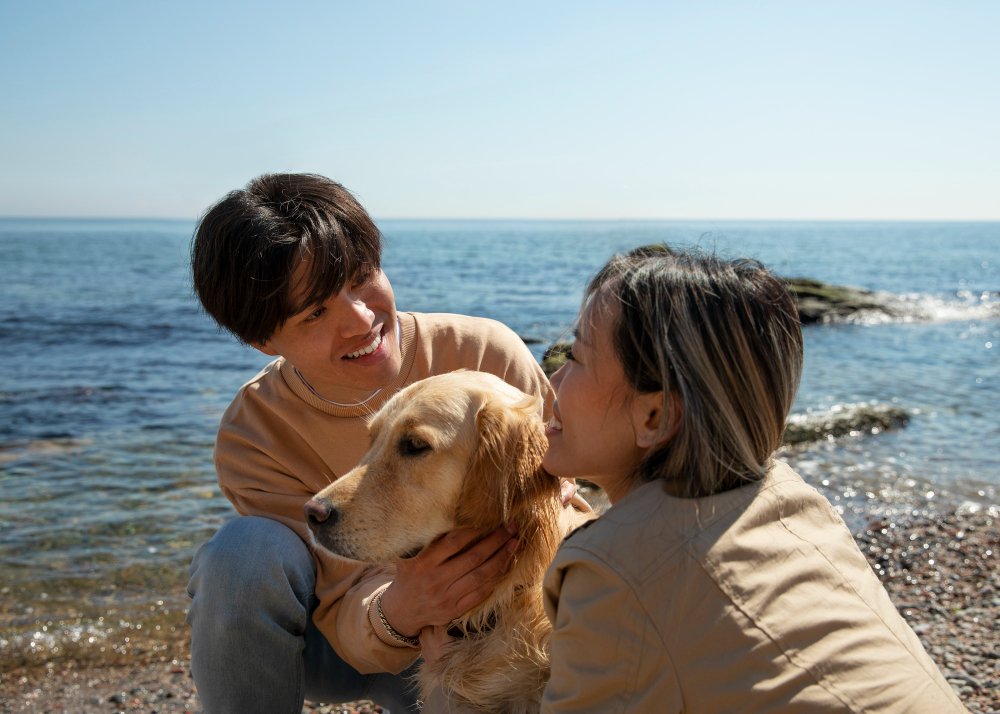
Here are the average lifespans of popular breeds, based on the best available veterinary research. Remember, while these numbers reflect typical outcomes, individual dogs with excellent care and genetics may live longer.
Longest Lived Breeds
- Chihuahua: 14 to 18 years. Often reach 16 to 17 years, and some exceed 20 years with proper care.
- Yorkshire Terrier: 13 to 16 years. Typically live 14 to 15 years.
- Toy Poodle: 14 to 18 years. Often reach 15 to 16 years.
- Pomeranian: 12 to 16 years. Average of about 14 years.
- Dachshund: 12 to 16 years. Often reach 14 to 15 years, though back problems (IVDD) can affect quality of life.
- Shih Tzu: 10 to 16 years. Average of 12 to 13 years.
- Beagle: 12 to 15 years. Often reach 13 to 14 years.
- Miniature Schnauzer: 12 to 15 years. Typically 13 to 14 years.
Popular Medium and Large Breeds
- Labrador Retriever: 10 to 12 years. Average of 11 years. Chocolate Labs live about 10.7 years, which is shorter than yellow and black Labs, which live 12+ years.
- Golden Retriever: 10 to 12 years. Average of 10 to 11 years and declining due to extremely high cancer rates. An estimated 60 to 70% of Golden Retrievers die from cancer.
- German Shepherd: 9 to 13 years. Average of 10 to 11 years.
- French Bulldog: 10 to 12 years. Average of 10 to 11 years, though severely affected by breathing issues that reduce quality of life.
- Bulldog (English): 8 to 10 years. Average of 8 to 9 years. This is the shortest-lived popular breed due to severe structural health issues.
- Poodle (Standard): 12 to 15 years. Average of 12 to 13 years.
- Pembroke Welsh Corgi: 12 to 15 years. Average of 12 to 13 years.
- Australian Shepherd: 12 to 15 years. Average of 13 years.
- Boxer: 9 to 12 years. Average of 10 to 11 years, with particularly high cancer rates.
- Cavalier King Charles Spaniel: 9 to 14 years. Average of 10 to 12 years. Heart disease (mitral valve disease) affects more than 50% of Cavaliers by age 5.
Shorter Lived Large and Giant Breeds
- Rottweiler: 8 to 10 years. Average of 9 years.
- Great Dane: 7 to 10 years. Average of 8 years.
- Bernese Mountain Dog: 6 to 10 years. Average of 7 to 8 years with very high cancer rates.
- Irish Wolfhound: 6 to 8 years. Average of 6 to 7 years, the shortest average lifespan of any breed.
- Saint Bernard: 8 to 10 years. Average of 8 to 9 years.
- Mastiff: 6 to 10 years. Average of 8 to 9 years.
- Newfoundland: 8 to 10 years. Average of 9 years.
Factors That Affect Your Dog's Individual Lifespan
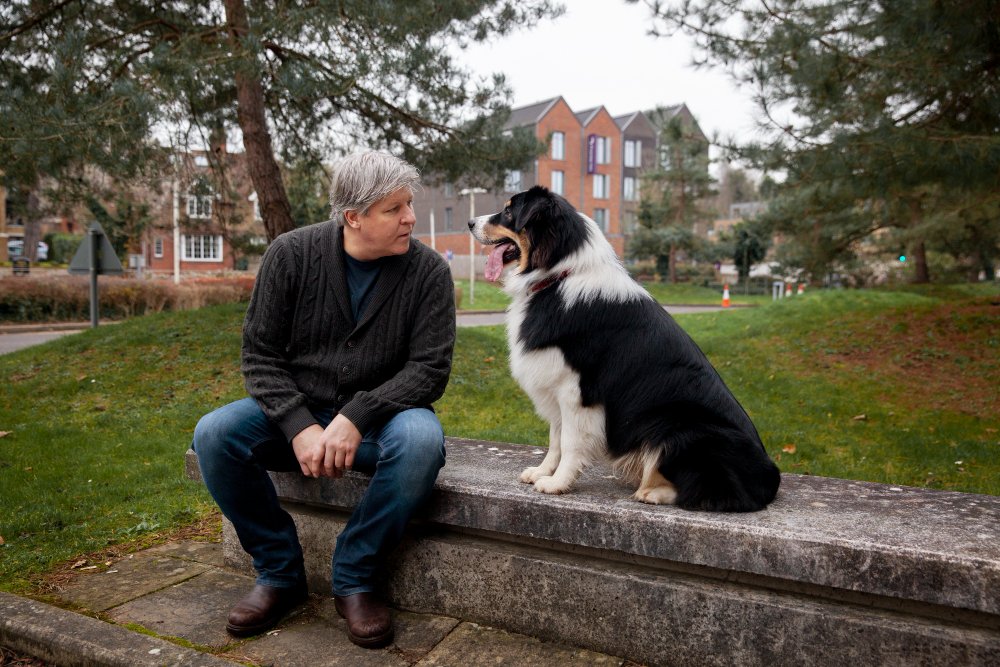
Breed averages give you a ballpark, but your individual dog's lifespan will be shaped by factors that are largely within your control. Here are the most important ones, ranked by impact.
Weight and Body Condition (The Single Most Important Controllable Factor)
If there is one thing I want you to take away from this entire article, it is this: keeping your dog at a healthy weight is the single most powerful thing you can do to extend their life. Research consistently shows that maintaining an ideal weight can add 1.8 to 2.5 years to a dog's life. That is significant.
Here is what an ideal body condition looks like:
- Ribs are easily felt with light pressure, but not visible.
- A visible waist when viewed from above
- An abdominal tuck, when viewed from the side
The sobering reality is that approximately 60% of dogs in the United States are overweight or obese. That makes excess weight the most preventable cause of shortened lifespan in dogs. Obesity increases the risk of diabetes, heart disease, cancer, arthritis, and respiratory problems.
Genetics and Breeding Quality
Where your dog comes from matters enormously; responsibly bred dogs from health-tested lines can live 2 to 4 years longer than poorly bred dogs of the same breed. Look for breeders who perform hip, elbow, eye, and heart testing on parent dogs, use genetic testing for breed-specific diseases, avoid extreme physical conformations, and maintain diversity in their breeding lines.
Spaying and Neutering
Studies show that spayed and neutered dogs live 1 to 3 years longer on average than intact dogs. The procedure eliminates reproductive cancers and reduces the risk of mammary cancer. It is especially effective if done before the first heat cycle. It also prevents life-threatening uterine infections. Timing matters. Large breeds may benefit from waiting until 12 to 18 months old. Small breeds can be altered earlier, from 6 to 12 months. Talk to your veterinarian about the best timing for your dog.
Dental Care
This one surprises many pet owners. Dental disease is not just a cosmetic issue. Bacteria from infected gums enter the bloodstream and can cause heart valve infections, kidney disease, and liver damage. Studies link severe dental disease to a 3- to 5-year reduction in lifespan. Daily tooth brushing is the gold standard, supplemented by dental chews and professional cleanings as recommended by your vet.
Preventive Veterinary Care
Regular vet visits are among the best investments you can make in your dog's longevity. Schedule annual exams or twice-yearly exams for dogs age 7 and older. Get appropriate vaccinations, year-round parasite prevention, and routine bloodwork. These steps help catch problems early, when treatment works best. If you do not have a regular vet, find a trusted one and get your dog on a preventive care schedule as soon as possible.
Diet Quality
High-quality protein supports muscle mass. Appropriate calorie levels prevent obesity. Life-stage-appropriate formulas ensure your dog gets the nutrients they need at every stage of life. Avoid frequent table scraps (which contribute to obesity and pancreatitis) and resist the urge to overfeed. Feed based on your dog's body condition, not the serving suggestions on the bag.
Exercise and Mental Stimulation
Regular exercise helps maintain a healthy weight, supports heart health, and reduces anxiety and behavioral issues. Match the amount of exercise to your dog's breed and energy level:
- High energy breeds: 60 to 90+ minutes daily
- Moderate energy breeds: 30 to 60 minutes daily
- Low energy breeds: 20 to 30 minutes daily
- Seniors: Gentle, consistent activity adjusted to their comfort level
Do not forget about mental stimulation. Training sessions, puzzle toys, scent work, and social interaction all keep your dog's brain sharp and contribute to overall well-being.
Environmental Safety
Dogs that are protected from environmental hazards live longer. That means securely fenced yards, leashed walks, toxin-proofed homes, and supervised outdoor time. Keep your dog away from common hazards like chocolate, xylitol, antifreeze, and rat poison. Dogs that are allowed to roam free face dramatically higher risks of being hit by cars, getting into fights with other animals, and exposure to toxins.
Questions to Ask Your Vet About Your Dog's Lifespan
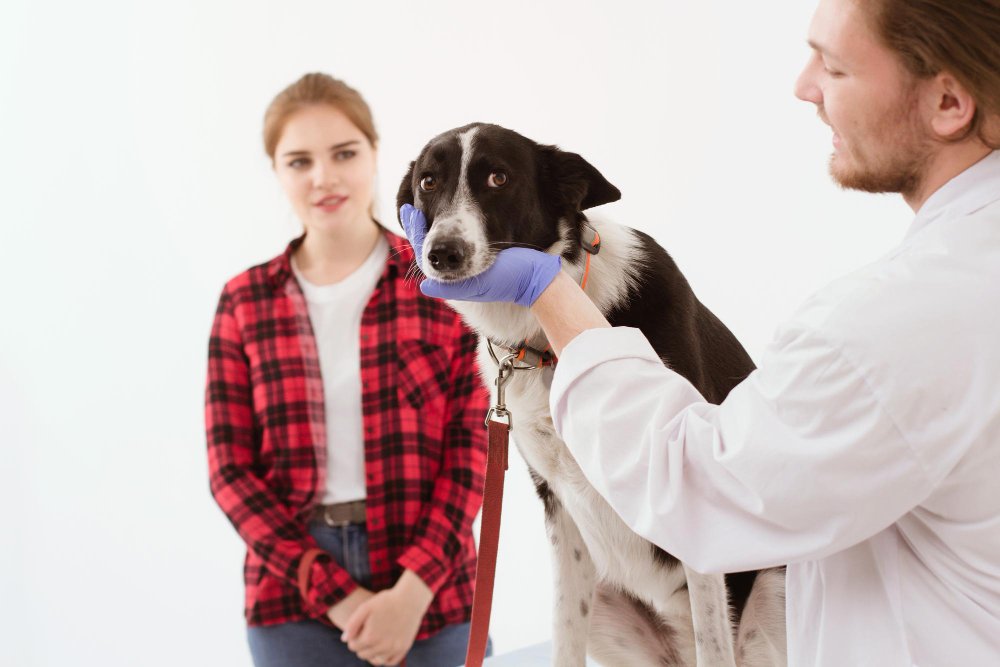
Your veterinarian is the best resource for understanding your specific dog's health outlook and life expectancy. Before your next visit, consider bringing this list of questions. If you need to find a veterinarian in your area, start by scheduling a wellness exam to get the conversation going.
- Based on my dog's breed, size, and current health, what is a realistic life expectancy?
- Are there any breed-specific health conditions I should be screening for?
- Is my dog at a healthy weight? If not, what is a safe target weight and timeline?
- What preventive care schedule do you recommend for my dog's age and breed?
- When should we start doing senior bloodwork and wellness panels?
- Are there any supplements or dietary changes that could benefit my dog's longevity?
- What is the best time to spay or neuter my dog based on their breed and size?
- How often should my dog have professional dental cleanings?
- What early warning signs should I watch for that might indicate a serious health issue?
After a Health Scare: Monitoring Your Dog's Long-Term Outlook
If your dog has recently undergone a serious illness, surgery, or a health scare, the road ahead can feel uncertain. The good news is that many dogs bounce back remarkably well, and early intervention often leads to excellent outcomes. Here is how to approach your dog's health after a major medical event:
- Follow-up appointments are not optional. After any serious health event, your veterinarian will want to see your dog for follow-up exams to monitor recovery and catch any complications early.
- Keep detailed records. Track your dog's appetite, energy level, bathroom habits, and behavior after an illness. Changes from their normal baseline can signal a problem before it becomes obvious.
- Ask about adjusted expectations. Some conditions may change your dog's expected lifespan, while others have little long-term impact once resolved. Ask your vet to be honest with you about what to expect.
- Do not overrestrict activity. Unless your vet specifically says otherwise, most dogs benefit from returning to normal activity levels as they recover. Keeping them too sedentary can lead to muscle loss and depression.
For more guidance on managing your dog's health through illness and recovery, visit our pet health resource library for veterinarian-reviewed articles on dozens of common conditions.
Seasonal Tips for Protecting Your Dog's Health Year-Round
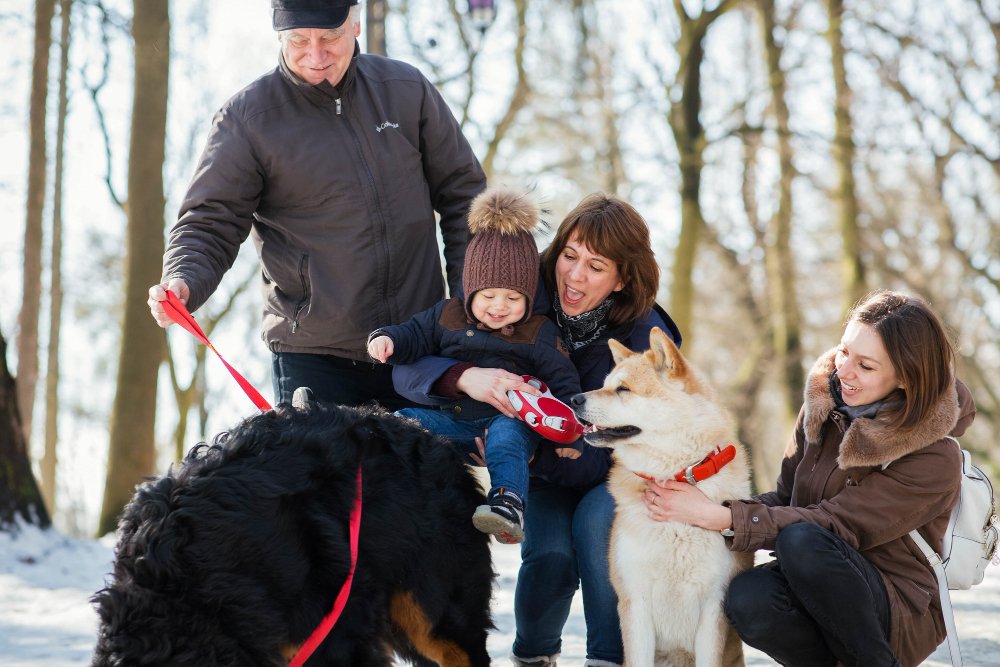
Each season brings its own set of risks to your dog's health and safety. Staying ahead of seasonal hazards can prevent emergencies and keep your dog healthy through every month of the year.
Spring
- Restart or confirm heartworm, flea, and tick prevention as temperatures rise.
- Watch for toxic plants in yards and on walks, including lilies, azaleas, and sago palms.
- Schedule a wellness exam and update vaccinations before the busy outdoor season.
- Be cautious with lawn chemicals and fertilizers, as many are toxic to dogs.
Summer
- Never leave your dog in a parked car, even for a few minutes.
- Provide plenty of fresh water and shade during outdoor activities.
- Walk during cooler hours (early morning and evening) to avoid burned paw pads on hot pavement.
- Watch for signs of heatstroke: excessive panting, drooling, stumbling, and collapse.
Fall
- Keep antifreeze stored safely; it is extremely toxic and tastes sweet to dogs.
- Watch for mushrooms in yards and on trails, as some varieties are deadly.
- Continue flea and tick prevention until temperatures consistently drop below freezing.
- Prepare for shorter days by adding reflective gear to collars and leashes for evening walks.
Winter
- Wipe paws after walks to remove road salt and de-icing chemicals.
- Provide a warm, dry sleeping area away from drafts.
- Watch for signs of hypothermia in short-coated or small breeds during outdoor time.
- Maintain exercise routines with indoor play and shorter, more frequent outdoor sessions.
Your Senior Dog Care Checklist
As your dog enters their senior years (around age 7 for large breeds and 10 for small breeds), a few adjustments to their care routine can make a meaningful difference in both comfort and longevity. Use this checklist to make sure you are covering all the bases:
- Switch to twice-yearly veterinary exams instead of annual visits.
- Add senior bloodwork panels to detect early organ changes.
- Reassess your dog's diet and calorie needs (senior dogs often need fewer calories)
- Add joint supplements, such as glucosamine and omega-3 fatty acids, if recommended by your vet.
- Provide ramps for stairs, furniture, and vehicles to reduce joint stress.
- Add non-slip rugs or mats on hard floors to prevent falls.
- Upgrade to a supportive orthopedic bed.
- Adjust exercise to shorter, more frequent walks instead of long, intense sessions.
- Monitor for cognitive changes such as confusion, nighttime pacing, or house soiling.
- Keep up with dental care, as dental disease tends to accelerate with age.
- Maintain mental stimulation with gentle training, puzzle feeders, and scent games.
Record-Breaking Longevity: The Oldest Dogs Ever
While most dogs live well within their breed's expected range, a few remarkable dogs have blown past every average:
- Bluey (Australian Cattle Dog): 29 years and 5 months (1910 to 1939). The Guinness World Record holder, Bluey, was a working farm dog in Australia who lived an extraordinarily active life.
- Taffy (Welsh Collie mix): 27 years, verified.
What did these record-breaking dogs have in common? Working or mixed breed heritage, active lifestyles, rural environments, and moderate size (not toy, not giant). While living to 29 is extremely rare, these cases show that good genetics combined with an active, purposeful life can push the boundaries of what we think is possible.
How to Help Your Dog Live the Longest, Healthiest Life
1. Maintain Ideal Weight (Most Important)
Feed to body condition, not package directions. Measure food portions. Limit treats to less than 10% of daily calories. This single habit can add 2+ years to your dog's lifespan.
2. Invest in Preventive Veterinary Care
Annual exams (twice yearly for dogs age 7 and older), current vaccinations, year-round parasite prevention, regular dental care, and annual senior bloodwork. If you are overdue for a checkup, find a vet near you today and get back on track.
3. Feed a High Quality Diet
Choose a high-protein, appropriate-calorie diet formulated for your dog's life stage. Avoid overfeeding and limit table scraps.
4. Prioritize Daily Exercise
Match physical activity to your dog's breed, age, and energy level. Combine exercise with mental stimulation, like training sessions and puzzle toys.
5. Keep Your Dog Safe
Secure fencing, leashed walks, a toxin-proofed home, a microchip, and current ID tags all reduce the risk of accidents and emergencies.
6. Choose Wisely When Getting a Dog
Research breed-specific health issues before choosing a dog. Select responsible breeders who health test their breeding dogs. Consider mixed breeds, which often benefit from hybrid vigor. Avoid breeds with extreme physical conformations that lead to chronic health problems.
7. Monitor Changes and Act Early
Know your dog's normal behavior and habits. When something changes, do not wait. Early veterinary intervention for health changes is one of the most effective ways to extend life and preserve quality of life.
Signs Your Dog Is Aging (What Is Normal and What Is Not)
Ages 7 to 10 (Varies by Size)
- Gray hairs appearing around the muzzle and face
- Slightly less energy than in younger years
- Sleeping a bit more
- Minor stiffness after resting, especially in the morning
Ages 10 to 13
- More pronounced graying
- Noticeably decreased activity
- Arthritis symptoms are becoming more apparent.
- Possible hearing or vision decline
- Cognitive changes like confusion, increased anxiety, or nighttime restlessness
If you are noticing signs of aging in your dog, explore our senior dog health articles for detailed guidance on managing age-related changes and keeping your senior dog comfortable.
When Quality Matters More Than Quantity
As your dog enters their final chapter, the focus naturally shifts from extending life to ensuring the life they have is a good one. These are the questions I encourage every pet owner to ask regularly:
- Can they eat and enjoy their food?
- Can they walk and move around comfortably?
- Are they still in pain despite medications?
- Do they have more good days than bad days?
- Can they still do things they love?
- Do they still engage with the family?
Sometimes the greatest act of love is knowing when to let go. Work closely with your veterinarian and trust your knowledge of your dog. You know them better than anyone.
Frequently Asked Questions About Dog Lifespan
How long do dogs live on average?
Dogs live 10 to 13 years on average, but this varies widely by breed and size. Small dogs tend to live 14 to 18 years, while giant breeds typically live 7 to 10 years. The most important factors within your control are maintaining a healthy weight, providing preventive veterinary care, and feeding a quality diet.
Do mixed-breed dogs live longer than purebred dogs?
Generally, yes. Mixed-breed dogs often benefit from hybrid vigor, which means their more diverse genetic background reduces the risk of inheriting breed-specific health problems. However, a well-bred purebred from health-tested lines can live just as long as a mixed breed. The quality of breeding matters more than a dog's breed.
What breed of dog lives the longest?
Chihuahuas and Toy Poodles are among the longest-lived breeds, with average lifespans of 14 to 18 years. Australian Cattle Dogs, Dachshunds, and Yorkshire Terriers also commonly live into their mid-to-late teens. The longest-lived verified dog ever was Bluey, an Australian Cattle Dog who lived 29 years and 5 months.
Can I really add years to my dog's life?
Yes. Research shows that maintaining your dog at an ideal weight can add 1.8 to 2.5 years to your dog's life. Good dental care can prevent a 3- to 5-year reduction in lifespan. Spaying or neutering adds 1 to 3 years to life expectancy, on average. When combined with regular vet visits and a high-quality diet, these factors can have a meaningful impact on how long your dog lives.
Why do large dogs die younger than small dogs?
Large dogs age faster at the cellular level and reach full size very quickly, which puts enormous strain on their bodies. They also have higher rates of cancer and growth-related health issues. Higher levels of the growth hormone IGF 1 promote rapid development but may accelerate the aging process. Essentially, large dogs live at a faster biological pace.
Does spaying or neutering affect how long my dog lives?
Studies consistently show that spayed and neutered dogs live 1 to 3 years longer than intact dogs. The procedure eliminates reproductive cancers and prevents life-threatening uterine infections. However, the optimal timing varies by breed and size. Large breeds may benefit from waiting until 12 to 18 months, while small breeds can typically be altered at 6 to 12 months. Talk to your veterinarian about the best timing for your dog.
How do I know when my dog is considered a senior?
It depends on size. Giant breeds like Great Danes are considered senior at 5 to 6 years old. Large breeds reach senior status around 7 to 8 years old. Medium breeds reach senior status at about 8 to 10 years of age. Small and toy breeds are not considered senior until 10 to 12. Your vet will typically recommend transitioning to a senior care schedule based on your dog's size and breed.
Does diet really affect my dog's lifespan?
Absolutely. A high-quality, appropriately portioned diet is one of the foundations of a long and healthy life for your dog. Overfeeding is the most common diet-related mistake, and it leads directly to obesity, which is the number one preventable cause of shortened lifespan in dogs. Feed based on your dog's body condition rather than the serving guidelines on the bag, and avoid excessive table scraps.
How often should I take my senior dog to the vet?
Most veterinarians recommend twice-yearly exams for senior dogs, along with annual bloodwork panels to monitor organ function. Senior dogs can develop health issues quickly, and catching problems early through routine screening gives you the best chance of managing them effectively. If your dog has a known chronic condition, your vet may recommend even more frequent visits.
What are the signs that my dog is nearing the end of life?
Common signs include loss of appetite or interest in food, difficulty standing or walking, loss of interest in favorite activities, incontinence, labored breathing, withdrawal from the family, and more bad days than good. If you are seeing these signs, have an honest conversation with your veterinarian about your dog's quality of life and the options available to you.
Final Thoughts: Making Every Year Count
While we cannot control exactly how long our dogs live, we can dramatically influence both the length and quality of their lives through the choices we make every day. The formula is not complicated: maintain a healthy weight, invest in preventive care, feed well, exercise regularly, and pay attention to changes.
Your dog's lifespan may be shorter than yours, but to them, you are their entire world. Make it the best one possible. Treasure the everyday moments, stay on top of their health, and never take a single tail wag for granted.


Comments
No comments yet. Be the first to share your thoughts.