
Top 10 Most Popular Dog Breeds in the U.S. Right Now


America's Favorite Dogs in 2026
The American Kennel Club just released their 2026 breed registration data, and there is big news at the top of the list. For the first time in 31 years, the Labrador Retriever is no longer number one. The French Bulldog has officially taken the crown.
If you are surprised, you are not alone. But when you look at how we live now, it makes a lot of sense. The way we work, where we live, and what we prioritize in a companion animal have all changed dramatically over the past several years.
Remote and hybrid work schedules are now the norm. More of us live in apartments or smaller homes. The cost of pet ownership keeps climbing. And honestly, a lot of people are simply looking for a dog that fits into a busy life without requiring two hours of exercise every single day.
Here is what I want you to remember as you read through this list: popularity does not equal compatibility. Some of the most popular breeds in America are also the ones most frequently surrendered to shelters because owners did not understand what they were signing up for.
My goal with this guide is to give you the real picture of each breed. Not the Instagram version. Not the breeder marketing pitch. The honest, veterinary perspective on what these dogs actually need to thrive. And if you are in the early stages of choosing a dog, I would encourage you to talk with your vet first. A quick conversation about your lifestyle can save you years of frustration.
Understanding the Rankings: What Changed and Why

The AKC compiles breed popularity based on annual registration numbers, regional trends, historical comparisons, and breed club membership. Keep in mind that these rankings only cover AKC registered purebreds. They do not account for mixed breeds (which make up more than half of all pet dogs in the United States), unregistered dogs, or breeds the AKC does not recognize.
Five Trends Driving the 2026 Shift
- The Remote Work Effect: More people working from home means greater demand for companion breeds. But hybrid schedules have also increased interest in dogs that can handle some alone time.
- Urban and Suburban Living: With roughly 82 percent of Americans now living in urban or suburban areas, apartment friendly breeds have surged. Smaller dogs, quieter breeds, and lower energy companions are in higher demand.
- Rising Costs: The average annual cost of dog ownership now runs between $1,500 and $2,500. That has pushed more people toward smaller breeds with lower food bills, smaller vet expenses, and less expensive grooming.
- Health Awareness: Owners are more educated than ever about breathing problems in flat faced breeds, hip dysplasia, and other genetic conditions. That awareness is slowly shifting choices toward healthier breeds.
- Social Media: Instagram and TikTok continue to drive explosive popularity for certain breeds. French Bulldogs, various Poodle mixes, and photogenic breeds get an outsized popularity boost from viral content.
Breed Cost Comparison at a Glance
Before we dive into each breed, here is a quick snapshot of what you can expect to spend. These numbers come from veterinary cost databases, breed club data, and my own experience in practice.
|
Breed |
Purchase Price |
Annual Cost |
Lifetime Medical Risk |
|
French Bulldog |
$2,500 to $8,000 |
$1,000 to $3,000+ |
Very High |
|
Labrador Retriever |
$800 to $2,000 |
$1,200 to $2,000 |
Moderate |
|
Golden Retriever |
$1,000 to $3,000 |
$1,500 to $2,500 |
High (cancer) |
|
German Shepherd |
$1,500 to $3,500 |
$1,500 to $3,000 |
High |
|
Poodle (all sizes) |
$1,500 to $3,500 |
$1,800 to $3,000 |
Moderate |
|
English Bulldog |
$2,500 to $4,500 |
$1,500 to $4,000+ |
Very High |
|
Beagle |
$800 to $1,500 |
$800 to $1,500 |
Low to Moderate |
|
Rottweiler |
$1,500 to $3,000 |
$1,500 to $3,000 |
High |
|
German Shorthaired Pointer |
$800 to $2,000 |
$1,200 to $2,000 |
Low to Moderate |
|
Dachshund |
$500 to $3,000 |
$800 to $1,500 |
Moderate (spinal) |
If you are not sure what kind of veterinary costs to expect for a specific breed in your area, find a vet near you and ask about breed specific wellness plans. Many clinics now offer these, and they can save you real money over the life of your dog.
#1: French Bulldog

2026 Ranking: #1 (up from #2 in 2025)
The French Bulldog has officially claimed the top spot, ending the Labrador Retriever's incredible 31 year run. And I will be honest with you: as a veterinarian, I have mixed feelings about it.
On one hand, I completely understand the appeal. Frenchies are small, affectionate, low energy, and absolutely hilarious. They adapt beautifully to apartment living, they do not need hours of exercise, and they bond deeply with their people. For someone living in a city with a busy schedule, a French Bulldog can feel like the perfect fit.
On the other hand, this breed comes with serious health baggage that every potential owner needs to understand before signing that breeder contract.
Why They Are Popular
- Perfect size for apartments and small spaces
- Low exercise requirements (30 to 45 minutes daily)
- Incredibly affectionate and loyal personality
- Good with children and other pets
- Minimal grooming needs
- Expressive, photogenic faces that dominate social media
The Health Reality
This is where I need to be direct with you. More than 70 percent of French Bulldogs have some degree of breathing difficulty due to their flat face structure. Many will need corrective surgery, which runs between $2,000 and $8,000. That is not a rare complication. That is the norm.
- Breathing problems: The vast majority will struggle with exercise intolerance, overheating, and noisy breathing throughout their lives
- Heat sensitivity: They cannot regulate body temperature well. Even moderate heat can be dangerous
- Spinal problems: Herniated discs are common due to their compact build
- Skin fold infections: Those adorable face wrinkles need daily cleaning to prevent bacterial growth
- Eye issues: Cherry eye, corneal ulcers, and dry eye are all common
- Reproductive difficulties: More than 80 percent require a cesarean section to deliver puppies
- Allergies: Food and environmental allergies are extremely common in this breed
- Average lifespan: 10 to 12 years, which is shorter than many breeds their size
What It Actually Costs
- Purchase price from a reputable breeder: $2,500 to $8,000
- Annual veterinary costs: $1,000 to $3,000 or more (significantly higher than most breeds)
- Potential surgery costs over their lifetime: $5,000 to $15,000
- Pet insurance: Essential, but expect to pay $80 to $150 per month due to breed specific risks
Best For
City dwellers in small spaces who work from home or have flexible schedules, can afford high veterinary costs, and are fully committed to managing breed specific health issues. If you want a low energy, deeply affectionate couch companion and you go in with your eyes open about the medical reality, a Frenchie can be a wonderful dog.
Not the Right Fit If
You want an active running or hiking partner, you live in a hot climate without reliable air conditioning, you are on a tight budget, or you are a first time owner who is not prepared for ongoing health management. This breed is not a good choice for anyone who is not willing to closely monitor breathing, temperature, and activity levels.
French Bulldogs make wonderful companions for the right owner, but please do not buy from backyard breeders or puppy mills. Ethical breeding practices and health testing matter enormously with this breed. If you love the Frenchie personality, consider adopting from a French Bulldog rescue. And before you commit, schedule a conversation with your vet about what to expect. You will be glad you did.
#2: Labrador Retriever

2026 Ranking: #2 (down from #1 after 31 consecutive years at the top)
The Lab dropping to number two is not a reflection of the breed getting worse. It is a reflection of American lifestyles shifting toward smaller, lower maintenance dogs. Labrador Retrievers are still one of the finest all around family dogs on the planet.
If you have an active household, enjoy the outdoors, and want a dog who is genuinely happy to do anything as long as it involves being near you, a Lab is hard to beat.
Why They Remain Popular
- Versatile and adaptable to many different family situations
- Excellent with children: patient, gentle, and tolerant
- Highly trainable and eager to please
- Rarely aggressive; sociable with people and other pets
- Outstanding as service dogs, therapy dogs, and hunting companions
The Reality of Living with a Lab
Here is where a lot of people get into trouble. Labs are athletic, energetic dogs that need 60 to 90 minutes of real exercise every single day. That means walks, runs, swimming, fetch, or some combination. A quick trip around the block will not cut it.
An under exercised Lab is not just a bored dog. It is a destructive dog. I have seen Labs chew through drywall, destroy furniture, and dig trenches in backyards because they simply were not getting enough physical and mental stimulation.
Health Concerns
- Hip and elbow dysplasia: Very common. Reputable breeders screen for this
- Obesity: Labs are extremely prone to weight gain. Portion control is not optional
- Ear infections: Those floppy ears trap moisture. Weekly cleaning is recommended
- Cancer: Higher rates than many breeds, particularly as they age
- Bloat: A risk for deep chested dogs. Feed smaller meals and avoid exercise right after eating
- Average lifespan: 10 to 12 years
What It Actually Costs
- Purchase price: $800 to $2,000 from a reputable breeder
- Annual costs: $1,200 to $2,000
- Food costs are higher due to their size (50 to 80 pounds)
- Hip surgery if dysplasia develops: $3,000 to $6,000
Best For
Active families who enjoy outdoor activities, homes with yards (though they can adapt to apartments with enough exercise), first time owners who are genuinely prepared for the energy level, families with children, and anyone looking for a trainable, versatile companion.
Not the Right Fit If
You are sedentary, you are away from home more than eight hours a day without a dog walker, you want an independent or low maintenance dog, or you prioritize a spotless home. Labs shed heavily, and I mean heavily.
Labs remain one of the best family dogs in the world if you can honestly meet their exercise and mental stimulation needs. The key word there is honestly. If your idea of exercise is walking to the mailbox, this is not your breed. But for active families who want a loyal, trainable, joyful companion, it does not get much better.
#3: Golden Retriever

2026 Ranking: #3 (unchanged)
Golden Retrievers are the quintessential family dog, and their steady position in the rankings reflects a breed that simply does not go out of style. They are friendly, beautiful, loyal, and gentle. They are everything most people picture when they think of the ideal dog.
But there is one thing I need to talk to you about before we go any further, and it is not easy to say.
The Cancer Problem
Between 60 and 70 percent of Golden Retrievers will die of cancer. That is not a typo. It is the single most important health fact about this breed, and if you are considering a Golden, you need to sit with that number.
It does not mean you should not get one. It means you should go in prepared, both emotionally and financially. Cancer treatment for dogs can reach $10,000 to $15,000 or more. Pet insurance purchased early, before any diagnosis, can make a meaningful difference.
Why They Are Beloved
- Ideal family companions: patient and gentle with children of all ages
- Friendly to everyone, including strangers, other dogs, and even cats
- One of the most trainable breeds in existence
- Natural therapy and emotional support dogs
- Versatile athletes: swimming, hiking, agility, dock diving
- Beautiful, iconic appearance
Living with a Golden
Goldens need 60 to 90 minutes of daily exercise. They love swimming, fetching, and hiking. They are playful well into adulthood and form deep bonds with their families.
The grooming commitment is real. Goldens shed heavily year round, with extreme shedding twice a year during coat changes. Daily brushing is necessary. Professional grooming every six to eight weeks is recommended. Expect dog hair on everything you own. I am not exaggerating.
Health Concerns
- Cancer: 60 to 70 percent lifetime risk. This is the breed's most serious concern
- Hip and elbow dysplasia: Common; screen breeding dogs
- Heart disease: Seen in the breed at higher rates
- Eye problems: Cataracts and progressive retinal atrophy
- Skin issues: Hot spots, allergies, and ear infections are common
- Average lifespan: 10 to 12 years (declining from a historical 12 to 14 due to cancer rates)
What It Actually Costs
- Purchase price: $1,000 to $3,000 from a reputable breeder
- Annual costs: $1,500 to $2,500
- Professional grooming: $60 to $100 every six to eight weeks
- Cancer treatment if needed: $10,000 to $15,000 or more
Golden Retrievers are magnificent dogs for active, engaged families. Their cancer rates are heartbreaking, but they should not necessarily disqualify the breed from your list. Just be prepared. They give absolute devotion and deserve owners who can match their exercise needs and grooming demands. For more on managing breed specific health risks, check out our pet health resource library.
#4: German Shepherd

2026 Ranking: #4 (down from #3)
German Shepherds are magnificent working dogs that also happen to make devoted family companions. But I want to be upfront with you: this is not a casual pet. This is a serious working breed that needs serious commitment.
Why They Are Popular
- Ranked third in overall dog intelligence studies
- Fiercely loyal and naturally protective
- Versatile: police work, military, service, search and rescue
- Highly trainable and eager to work
- Athletic, powerful, and confident
- Devoted and gentle with their own families
What You Need to Know
German Shepherds require 90 or more minutes of daily exercise, plus mental challenges. They need a job or a sense of purpose. Without it, they become anxious, reactive, and destructive.
Early and extensive socialization is not optional with this breed. Without proper socialization during the critical 8 to 16 week window and ongoing throughout life, German Shepherds can develop reactivity toward other dogs, excessive guarding behavior, fear based aggression, and separation anxiety.
They also require confident, consistent leadership. If you are a first time dog owner or you are not comfortable setting firm boundaries, this breed will walk all over you.
Health Concerns
- Hip and elbow dysplasia: Very common and can be crippling in severe cases
- Degenerative myelopathy: A progressive spinal cord disease that leads to paralysis. There is no cure
- Bloat: A life threatening emergency common in deep chested breeds
- Digestive disorders: Exocrine pancreatic insufficiency requires lifelong management
- Allergies: Skin and food allergies are common
- Average lifespan: 9 to 13 years
What It Actually Costs
- Purchase price: $1,500 to $3,500 or more from a reputable breeder
- Professional training (highly recommended): $500 to $2,000 or more
- Annual costs: $1,500 to $3,000
- Hip dysplasia surgery if needed: $3,500 to $7,000 per hip
German Shepherds reward experienced, committed owners with unmatched loyalty and versatility. But poor management with this breed has real consequences. Be honest about your experience level and your willingness to invest in training before choosing a GSD.
#5: Poodle (All Sizes)

2026 Ranking: #5 (up from #7)
Poodles are having a well deserved renaissance. People are finally discovering that Poodles are so much more than fancy show dogs. They are brilliant, athletic, versatile, and they come in three convenient sizes: Toy (4 to 6 pounds), Miniature (10 to 15 pounds), and Standard (45 to 70 pounds).
Their low shedding coat is a huge draw for allergy sufferers, though I should note that no dog is truly hypoallergenic. Poodles produce less dander than most breeds, but they still produce some.
Why They Are Surging
- Low shedding coat: Best option for many allergy sufferers
- Ranked second in overall dog intelligence
- Three sizes to fit almost any living situation
- Versatile: excel in agility, obedience, service work, and therapy
- Athletic and surprisingly playful
- Long lived: Standards 12 to 15 years, Miniatures 12 to 15 years, Toys 12 to 18 years
The Grooming Commitment
I cannot stress this enough: Poodle grooming is not optional. It is not something you can skip or push off. Their coat mats severely without regular care, and matted coats cause skin infections and real pain.
- Professional grooming every four to six weeks: $60 to $120 per visit depending on size
- Annual grooming costs: $720 to $1,440 or more
- If you groom at home: brushing three to four times per week minimum, plus full grooming every four to six weeks
- Equipment investment for home grooming: $200 to $500
Health Concerns by Size
- Standard Poodles: Hip dysplasia, bloat, Addison's disease, and a skin condition called sebaceous adenitis
- Miniature and Toy Poodles: Kneecap dislocation, progressive retinal atrophy (which leads to blindness), epilepsy, dental problems, and collapsed trachea (in Toys)
What It Actually Costs
- Purchase price: $1,500 to $3,500 depending on size and breeder
- Annual costs: $1,800 to $3,000 (grooming is the largest single expense)
- Food costs: Lower for Toy and Miniature, moderate for Standard
Poodles are phenomenal dogs that deserve every bit of their rising popularity. They are smart, trainable, athletic, and their coats work well for many allergy sufferers. But the grooming commitment is real and expensive. If you can commit to it, Poodles are outstanding companions. And please, do not fall for the designer doodle marketing. Get a real Poodle or a Poodle mix from a responsible breeder or rescue.
#6: English Bulldog

2026 Ranking: #6 (down from #5)
I need to be very transparent here. As a veterinarian, the English Bulldog is one of the most difficult breeds for me to discuss. I love their sweet temperaments. I genuinely enjoy every Bulldog patient I see. But their health problems are so severe and so predictable that I feel a professional obligation to be completely honest about what ownership looks like.
Why They Are Popular
- Distinctive, iconic appearance
- Gentle, calm, and low energy
- Patient and tolerant with children
- Perfect for apartment living
- Devoted companions who form strong bonds
The Health Reality
Nearly 100 percent of English Bulldogs have some degree of breathing difficulty. That is not an exaggeration. Many will need surgery to breathe properly, which costs $3,000 to $8,000. They cannot regulate their body temperature, which means even 70 to 75 degree weather can be dangerous. More than 95 percent cannot breed naturally and require artificial insemination. More than 95 percent require a cesarean section to deliver puppies.
Beyond the breathing, they are prone to hip dysplasia, spinal issues, cherry eye, skin fold infections, dental problems, allergies, heart issues, and deafness. Their average lifespan is just 8 to 10 years.
The Ethical Conversation
The English Bulldog breeding community is facing a serious reckoning. Many veterinarians and animal welfare organizations now discourage breeding of extreme flat faced types. Some countries have moved to ban the breeding of these dogs entirely. Ethical breeders are working toward healthier versions with longer muzzles, but it is a slow process.
What It Actually Costs
- Purchase price: $2,500 to $4,500
- Annual veterinary costs: $1,500 to $4,000 or more (among the highest of any breed)
- Lifetime surgery costs: $5,000 to $15,000 or more is highly likely
- Pet insurance: Essential, but expect $100 to $200 per month with breed exclusions
- Air conditioning is mandatory. Not a luxury. Mandatory.
Healthier Alternatives to Consider
If you love the Bulldog personality but the health concerns give you pause, look into the Olde English Bulldogge (a healthier reconstruction with a longer muzzle), the Continental Bulldog (a European breed with better health), or Bulldog mixes from rescue organizations, which are often healthier than purebreds.
English Bulldogs are sweet, loving companions with devoted fans. But their health issues are severe, expensive, and virtually guaranteed. If you choose this breed, do so with complete awareness of the medical commitment. Never buy from puppy mills or backyard breeders. And for ongoing health management tips for flat faced breeds, browse our pet health articles for guidance you can trust.
#7: Beagle

2026 Ranking: #7 (down from #6)
Beagles are one of those breeds that I genuinely enjoy recommending to the right families. They are friendly, cheerful, relatively healthy, and great with children. They are also one of the most affordable breeds on this list.
But I need to prepare you for two things: the noise and the nose.
Why They Are Beloved
- Perfect family size at 20 to 30 pounds
- Friendly and social with children, other dogs, and strangers
- Happy, cheerful temperament
- Minimal grooming needs
- Fewer genetic health issues than many breeds
- Adaptable to various living situations
The Two Things You Must Accept
First, the noise. Beagles are loud. They bay, howl, and bark. It is breed typical behavior and you will not train it out of them entirely. This makes them a poor choice for apartment living or homes with noise sensitive neighbors.
Second, the nose. Beagles follow scent above all else. They will climb over, dig under, or squeeze through fencing to follow an interesting smell. They should never be trusted off leash in unfenced areas. Recall training is extremely challenging because when their nose is engaged, their ears shut off.
Behavioral Reality
- Food obsession is real. Beagles will eat until they are sick if given the chance. Counter surfing and garbage raiding are standard Beagle behavior. Strict portion control is essential.
- Escape artistry: Secure, dig proof fencing is mandatory
- Stubbornness: Intelligent but independent. Easily distracted by scent.
Health Concerns
- Obesity: The most common health issue, and it is entirely within your control
- Ear infections: Long, floppy ears trap moisture
- Epilepsy: Occurs in the breed
- Hypothyroidism: Relatively common
- Average lifespan: 12 to 15 years (excellent longevity)
What It Actually Costs
- Purchase price: $800 to $1,500 from a reputable breeder
- Annual costs: $800 to $1,500 (one of the most affordable breeds on this list)
- Health costs are generally lower than many breeds
Beagles make delightful family companions if you can embrace their hound personality rather than fight against it. Secure your fence, hide your food, warn your neighbors about the singing, and use scent work games for mental stimulation. They are wonderful dogs for the right household.
#8: Rottweiler
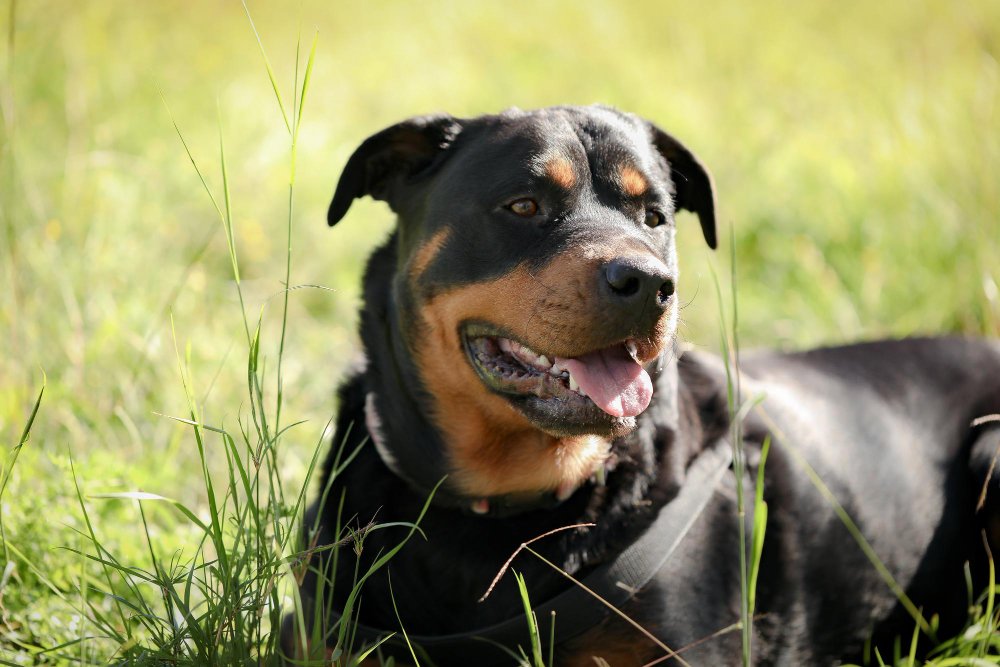
2026 Ranking: #8 (unchanged)
Rottweilers are one of those breeds where the gap between a well raised dog and a poorly raised dog is enormous. A properly trained, well socialized Rottweiler is calm, confident, loyal, and an absolute joy. A poorly managed one can be a genuine liability.
This is a breed where the owner matters as much as the dog.
Why They Are Popular
- Fiercely loyal and naturally protective
- Confident and calm; not easily spooked
- Highly trainable and intelligent
- Form incredibly strong bonds with their families
- Versatile: police work, therapy, service, protection
- Striking, powerful appearance
The Non Negotiables
Rottweilers require extensive early socialization during the 8 to 16 week critical window and ongoing throughout their lives. They need confident, consistent leadership and training from day one. They need 60 to 90 minutes of daily exercise plus mental challenges.
You should also be aware of practical considerations: some insurance companies exclude or charge higher premiums for Rottweiler owners. Some rentals ban the breed. Public perception can be negative. As an owner, you carry a higher responsibility for management and training.
Health Concerns
- Hip and elbow dysplasia: Common; screen breeding dogs
- Bone cancer: Higher risk in large breeds
- Bloat: Life threatening emergency
- Heart issues: Seen at higher rates in the breed
- Cruciate ligament tears: Common knee injury
- Average lifespan: 8 to 10 years
What It Actually Costs
- Purchase price: $1,500 to $3,000 or more from a reputable breeder
- Professional training (strongly recommended): $500 to $2,000 or more
- Annual costs: $1,500 to $3,000
- Insurance may be higher or limited due to breed
Rottweilers reward experienced, responsible owners with unmatched loyalty. But this is not a breed for casual owners or first timers. If you are prepared for the commitment, responsibility, and training investment, a Rottweiler will be the best dog you have ever had. Always work with breeders who prioritize stable temperaments.
#9: German Shorthaired Pointer

2026 Ranking: #9 (up from #11)
The German Shorthaired Pointer is climbing the rankings as more active Americans look for an athletic companion who can keep up with their outdoor lifestyle. And let me tell you, this dog can keep up. Then keep going. Then keep going some more.
If you are reading this breed entry, I need you to be very honest with yourself about your activity level. Because the GSP is not for most people.
Why They Are Gaining Popularity
- Athletic and versatile: excel at multiple outdoor activities
- Friendly and affectionate with families
- Intelligent and trainable
- Beautiful, sleek, spotted coat
- Natural hunting ability
- Social and outgoing
The Energy Level You Need to Understand
German Shorthaired Pointers need 90 to 120 minutes or more of intense exercise every single day. Not a walk. Intense exercise. Running, swimming, hiking. Walking alone is not enough.
These dogs were bred to hunt all day in difficult terrain. That drive does not disappear because they live in a house now. An under exercised GSP will destroy your home. I have seen it happen. Chewed furniture, ripped curtains, dug up flooring. They will also develop severe anxiety and compulsive behaviors.
You cannot tire out a GSP with a 30 minute walk. This breed is genuinely unsuitable for most pet owners.
Health Concerns
- Hip dysplasia: Screen breeding dogs
- Bloat: Deep chest increases risk
- Von Willebrand's Disease: A bleeding disorder (genetic testing is available)
- Hypothyroidism: Relatively common
- Cancer: Certain types seen at higher rates
- Average lifespan: 12 to 14 years (good for a larger breed)
What It Actually Costs
- Purchase price: $800 to $2,000 from a reputable breeder
- Annual costs: $1,200 to $2,000
- Additional costs for hunting training, dog sports, hiking gear
- Food costs are moderate to high (athletic dogs need quality fuel)
For marathon runners, avid hikers, and hunting enthusiasts, the GSP is an incredible companion. For everyone else, please choose a different breed. An under exercised German Shorthaired Pointer is miserable and destructive. Be honest with yourself.
#10: Dachshund

2026 Ranking: #10 (up from #12)
Dachshunds are proof that big personality does not require a big body. These little dogs are bold, clever, stubborn, and endlessly entertaining. Their rising popularity makes perfect sense in our current moment, where apartment friendly breeds with strong character are in high demand.
But there is one health issue that every potential Dachshund owner absolutely must understand.
Why They Are Popular
- Perfect apartment size: Standards 16 to 32 pounds, Miniatures 11 pounds and under
- Bold, confident personality in a small package
- Loyal and affectionate with their people
- Minimal grooming for the smooth coat variety
- Long lived: 12 to 16 years
- Adaptable to various living situations
The Spinal Issue You Must Know About
One in four Dachshunds will experience significant back problems. Their long spine and short legs create a structural vulnerability to intervertebral disc disease (IVDD). This can range from mild pain to complete paralysis. Emergency surgery costs $3,000 to $8,000.
Prevention is critical:
- Never allow jumping on or off furniture. Use ramps or pet stairs for everything
- No rough play or twisting movements
- Maintain ideal weight (obesity dramatically increases risk)
- Support back and hindquarters when picking them up
- Avoid stairs when possible
Even with perfect prevention, IVDD can still occur due to genetics. Pet insurance is essential for this breed.
Behavioral Reality
Dachshunds are notoriously stubborn. They are intelligent, but they are independent thinkers who often choose not to listen. Housetraining is famously difficult. They can also develop serious behavioral issues like excessive barking, snapping, food guarding, and aggression toward other dogs if they are not properly trained and socialized from the start.
The biggest mistake people make with Dachshunds is treating them like babies instead of dogs. They need boundaries and consistent training just like any other breed.
Coat Varieties
- Smooth: Short, sleek, minimal grooming. Most common.
- Long haired: Flowing coat, regular brushing needed. Generally slightly calmer.
- Wire haired: Harsh, wiry coat, needs professional grooming. Often the most energetic.
What It Actually Costs
- Purchase price: $500 to $3,000 depending on breeder, color, and coat type
- Annual costs: $800 to $1,500
- IVDD surgery if needed: $3,000 to $8,000 (25 percent chance)
- Pet insurance: Essential, expect higher premiums for this breed
- Ramps and stairs: $50 to $150 (necessary, not optional)
Dachshunds are charming, entertaining companions perfect for small spaces. But their spinal vulnerability is real and concerning. If you choose this breed, commit to spinal protection measures, invest in pet insurance, and train them like the dogs they are. With proper care, they are wonderful companions with excellent longevity.
What Did Not Make the Top 10 (But Is Worth Knowing About)
Just outside the top 10, you will find some fantastic breeds:
- Pembroke Welsh Corgi (rising fast)
- Australian Shepherd (very popular with active families)
- Yorkshire Terrier (declining slightly)
- Boxer (steady)
- Cavalier King Charles Spaniel (rising, especially in cities)
A Word About Doodles
Goldendoodles, Labradoodles, and other Poodle mixes do not appear in these rankings because the AKC does not recognize them as purebreds. But they are among the most popular dogs in America by other measures.
I want to be direct with you: the doodle market is full of misleading claims. Many are marketed as hypoallergenic (often not true), healthier than purebreds (sometimes true, sometimes not), and low maintenance (almost never true). Their coats are unpredictable. Their temperaments are unpredictable. Many come from breeders who prioritize profit over health testing. And they often cost $2,000 to $5,000 without the health guarantees you would expect at that price.
If you want a doodle, research breeders thoroughly, meet both parents, get health clearances for both breeds, understand the coat could be anything from straight to curly, and budget for professional grooming. Or better yet, check doodle rescue organizations. There are more than you might think.
Choosing the Right Breed for You
Popularity does not equal the right fit for your lifestyle. I have seen too many families choose a breed because it was trending on social media, only to realize six months later that they were in over their heads.
Before you decide, ask yourself these questions honestly:
Energy Level
- Are you genuinely active, or do you wish you were active? There is a big difference.
- Can you provide the necessary exercise every single day, including weekdays, rainy days, and days you do not feel like it?
- Do you want a hiking partner or a couch companion?
Living Situation
- Apartment, condo, or house with a yard?
- Is your fencing secure (important for hounds and high energy breeds)?
- Does your rental or homeowners association have breed restrictions?
- What is your climate like?
Experience and Time
- First time owner or experienced?
- How much time can you realistically devote to training?
- What is your work schedule?
Financial Reality
- Can you afford the initial purchase plus ongoing costs?
- Do you have an emergency veterinary fund?
- Can you absorb breed specific health costs?
Family
- Do you have children? How old are they?
- Do you have other pets?
- Does anyone in the household have allergies?
Mixed Breeds: The Underrated Option

Before you set your heart on a purebred, I want to make a case for shelter and rescue dogs. About 3.3 million dogs enter shelters every year. Many of them are purebreds or recognizable mixes. Adult dogs come with known personalities and sizes. Many are already trained. The initial cost is far lower. And you save a life.
Mixed breeds are often healthier due to greater genetic diversity. They come in every size, shape, and energy level imaginable. And honestly, some of the best dogs I have ever met in my career have been mutts.
Seasonal Considerations for Any Breed
No matter which breed you choose, the time of year affects your dog's care needs. Here are some seasonal reminders:
Summer
- Flat faced breeds (French Bulldogs, English Bulldogs) are at high risk of heatstroke. Limit outdoor time and always have water available.
- Hot pavement burns paw pads. If the ground is too hot for your hand, it is too hot for your dog's feet.
- Never leave any dog in a parked car. Temperatures inside a car can reach 120 degrees in minutes.
Winter
- Short coated and small breeds (Dachshunds, French Bulldogs, Beagles) may need sweaters or coats in cold weather
- Rock salt and ice melt products irritate paw pads. Wipe paws after walks.
- Antifreeze is deadly and tastes sweet to dogs. Clean up any spills immediately.
Spring and Fall
- Flea, tick, and heartworm prevention should be year round in most climates
- Allergy season hits dogs hard. Watch for excessive scratching, licking, and ear infections.
If your dog's seasonal health needs change, it is a great time to check in with your veterinarian. You can find a vet near you here.
Frequently Asked Questions
What is the most popular dog breed in the United States in 2026?
The French Bulldog is the most popular dog breed in the United States in 2026, according to the American Kennel Club's annual registration data. This ends the Labrador Retriever's 31 year reign at the top.
Why did the Labrador Retriever lose the number one spot?
The Lab did not lose popularity because it became a worse dog. American lifestyles have shifted toward smaller, lower maintenance breeds that fit apartment living, remote work schedules, and tighter budgets. The French Bulldog fits those trends more closely.
What is the cheapest dog breed to own?
Among the top 10 most popular breeds, the Beagle tends to have the lowest overall cost of ownership. Purchase prices are reasonable ($800 to $1,500), annual costs run $800 to $1,500, and the breed has fewer expensive genetic health conditions than many others on this list.
What is the most expensive dog breed to own?
The English Bulldog and French Bulldog are the most expensive to own due to high purchase prices and significant ongoing veterinary costs. Lifetime medical expenses for these breeds can easily exceed $15,000 beyond routine care.
Which dog breed is best for first time owners?
Labrador Retrievers, Golden Retrievers, and Beagles are generally the best options for first time owners, provided you can match their energy levels. Labs and Goldens are highly trainable and forgiving of beginner mistakes. Beagles are sturdy and friendly, though their stubbornness requires patience.
Which dog breeds are best for apartments?
French Bulldogs, Dachshunds, and Toy or Miniature Poodles are the most apartment friendly breeds on this list. They are small, have moderate to low exercise needs, and adapt well to smaller spaces. Beagles can work in apartments but their vocal nature makes them a risky choice with shared walls.
Are mixed breed dogs healthier than purebreds?
Often, yes. Mixed breed dogs tend to benefit from greater genetic diversity, which can reduce the risk of breed specific inherited conditions. However, mixed breeds can still develop health problems. The advantage is that they are less likely to inherit the specific genetic conditions that are concentrated in certain purebred lines.
Should I buy a puppy or adopt an adult dog?
Both are great options. Puppies allow you to shape behavior from the start, but they are a lot of work. Adult dogs from shelters or rescues come with known personalities, are often already housetrained, and cost significantly less. For first time owners especially, an adult dog can be a wonderful choice.
How do I find a reputable breeder?
Start with the AKC's breeder referral program or the national breed club for the breed you are interested in. A reputable breeder will health test both parents, allow you to visit their facility, provide references, ask you questions about your lifestyle, and offer a health guarantee. If a breeder does not do these things, walk away.
How much does it cost to own a dog per year?
On average, expect to spend between $1,500 and $3,000 per year on a dog, depending on size, breed, health, and where you live. This includes food, routine veterinary care, preventive medications, grooming, supplies, and basic training. Breeds with known health issues can cost significantly more.
Final Thoughts
The most popular breed in America might be completely wrong for you. And the perfect breed for your family might not even be on this list. That is completely fine.
The best dog is the one whose needs you can meet and whose temperament fits your life. Whether that is a number one breed or a number 150 breed or a mystery mutt from the shelter down the road.
Before you bring any dog home, do your research, meet multiple dogs, talk to owners and breed clubs about the real daily experience, visit breeders or rescues, be brutally honest about your lifestyle, and budget for lifetime costs.
And please, talk to your veterinarian before you make a final decision. A ten minute conversation with someone who sees these breeds every day can save you years of frustration and heartache.
Choose wisely. Commit fully. And you will have a companion who enriches your life in ways you cannot yet imagine.


Comments
No comments yet. Be the first to share your thoughts.