
How to Choose the Right Dog Boarding Facility


Leaving your dog at a boarding facility should never feel like a leap of faith. But every year, thousands of dogs come home from boarding stressed, injured, or worse, simply because their owners did not know what questions to ask or what warning signs to watch for.
In my 12 years as a veterinarian, I have treated more boarding related injuries, illnesses, and cases of behavioral trauma than I can count. Most of them were preventable. I have also seen dogs absolutely thrive at wonderful facilities that genuinely prioritize safety, enrichment, and individual care.
The difference between a great boarding experience and a nightmare often comes down to the questions you ask during your tour and the details you notice when no one thinks you are paying close attention.
This guide is the most thorough resource I know of on this topic. It covers every type of facility, every red flag, every question worth asking, and every health risk worth knowing. I have also included a full checklist you can print and bring to your tours.
Your dog cannot speak up for themselves. That is your job, and I am here to help you do it well.
The Uncomfortable Truth: Dog Boarding Is Largely Unregulated
Before we talk about what to look for, I want you to understand something that most boarding facilities will not tell you upfront: in the majority of U.S. states, boarding facilities are subject to little or no meaningful regulation.
There is no federal oversight. State requirements vary dramatically. Some states require a kennel license. Others require nothing at all beyond a basic business permit. There are no universal staffing standards, no required training certifications, no mandatory veterinary oversight, and no national body that inspects or accredits boarding facilities.
What this means in practice is that any person can open a boarding facility tomorrow with zero experience handling dogs, no training in animal behavior, and no emergency protocols in place. They can call it a "luxury resort" and charge $80 a night, and there is nothing stopping them.
This is not meant to frighten you. It is meant to explain why your research matters so much, and why the checklist in this guide exists. Because you cannot assume any facility meets a baseline standard just because it is open for business. You have to verify everything yourself.
The good news is that excellent, responsible facilities do exist in every state. You just have to know how to find them.
Types of Dog Boarding Facilities: Understanding Your Options

Not all boarding facilities are built the same. Knowing the differences will help you match the right option to your dog's personality, health needs, and temperament.
1. Traditional Kennels
Traditional kennels are large facilities that can house anywhere from 20 to 100 or more dogs at a time. Dogs have individual indoor and outdoor kennel runs, and group play is usually optional. Care is fairly standardized with scheduled feedings and potty breaks, but one on one attention tends to be limited. Staff to dog ratios can run as high as 1 to 30.
These work well for social, easygoing dogs that have boarded before without issues. If your dog is anxious or easily overwhelmed by noise, a traditional kennel is probably not the best fit. Disease transmission risk is higher simply because more dogs are in one place.
Typical cost: $25 to $45 per night
2. Boutique or Luxury Boarding Facilities
These upscale facilities offer private suites, webcam access, premium bedding, enrichment activities, grooming services, and climate control. Staff to dog ratios are generally better, around 1 to 10 or 1 to 15.
A word of caution: "luxury" on a website does not always mean better care in practice. Some of these facilities charge extra for every little amenity and the marketing does not always match the reality. Evaluate them just as carefully as you would any other option.
Typical cost: $45 to $100 or more per night
3. In Home Boarding
Services like Rover, Wag, and private pet sitters keep your dog in someone's home, usually alongside one to four other dogs. The environment is more personal and laid back, and your dog gets more individual attention. The quality, however, varies enormously. Always meet any sitter in person with your dog before booking, verify their setup, and ask about emergency protocols.
Typical cost: $30 to $60 per night
4. Veterinary Boarding
Some veterinary clinics and specialty animal hospitals offer overnight boarding. Medical staff are on site around the clock, medications are administered as needed, and strict health protocols are followed. These facilities are an excellent choice for dogs with medical conditions, seniors on multiple medications, or dogs recovering from surgery. The tradeoff is a more clinical environment that can be stressful for some dogs.
Typical cost: $40 to $80 per night
5. Doggy Daycare with Overnight Boarding
These facilities focus heavily on socialization and play throughout the day, with kennels or group sleeping areas at night. Ideal for high energy, highly social dogs that already attend daycare there. Not the right fit for reactive or anxious dogs, as the constant activity and noise can be genuinely overwhelming.
Typical cost: $35 to $70 per night
Cost Breakdown: What You Are Actually Paying For
Pricing alone tells you very little about quality. A $90 per night boutique facility and a $35 per night traditional kennel can both be excellent or both be disasters. That said, understanding what drives the cost helps you evaluate whether a facility's pricing is reasonable.
|
Facility Type |
Cost Per Night |
Staff Ratio |
Best For |
Main Risk |
|
Traditional Kennel |
$25 to $45 |
1:20 to 1:30 |
Social, easygoing dogs |
Less attention, noise stress |
|
Boutique / Luxury |
$45 to $100+ |
1:10 to 1:15 |
Dogs needing extra comfort |
Marketing vs. reality |
|
In Home Boarding |
$30 to $60 |
Varies widely |
Dogs who dislike kennels |
No oversight or standards |
|
Veterinary Boarding |
$40 to $80 |
Medical staff on site |
Medical or senior dogs |
Clinical, less enrichment |
|
Daycare + Boarding |
$35 to $70 |
1:10 to 1:20 |
High energy social dogs |
Overwhelming for anxious dogs |
Additional costs to ask about: medication administration fees (often $2 to $10 per dose), special diet handling, extra play sessions, baths before pickup, and holiday surcharges. A facility that is upfront about all of these is one you can trust. Hidden fees that appear on your final invoice are a bad sign.
Before You Book: Talk to Your Veterinarian First
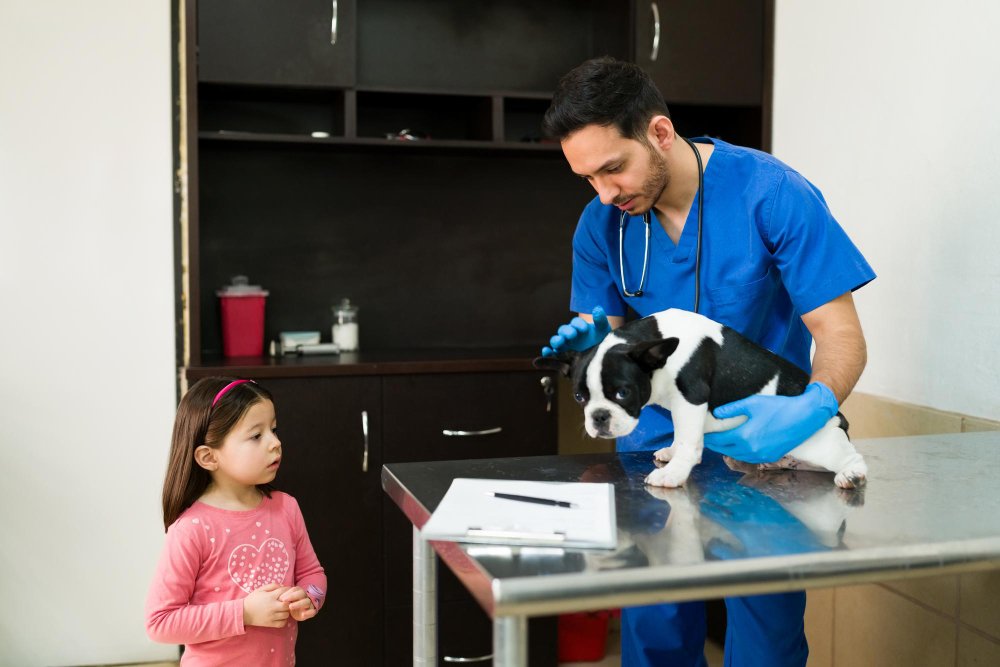
This is the step most pet owners skip, and it is one I feel strongly about. Before you commit to any boarding stay, especially your dog's first time or if they have any health conditions, schedule a quick conversation with your vet.
What to Discuss With Your Vet
- Vaccination status and timing. Bordetella should be current within six months, not just within a year. If it is borderline, get a booster before the stay.
- Flea and tick prevention. Most reputable facilities require current protection, and for good reason.
- Whether your dog is healthy enough to board. A dog fighting off a minor illness, recovering from surgery, or in the middle of a course of antibiotics is not a good candidate for boarding right now.
- Anxiety management. If your dog has a history of stress or separation anxiety, ask whether a short course of anti anxiety medication might make the experience more comfortable and less traumatic.
- Any conditions staff need to know about. Seizure history, orthopedic issues, allergies, behavioral quirks. All of it.
- What to watch for when your dog comes home. Your vet can tell you the specific signs of illness or stress that are relevant to your dog's individual health history.
???? Finding a trusted vet in your area: Use the Petzooie vet finder to locate licensed veterinarians near you, with reviews and contact information.
Documents to Bring to Boarding
Every reputable facility will ask for some or all of the following. Have them ready before drop off:
- Current vaccination records directly from your vet (not just your memory of the dates)
- Flea and tick prevention documentation
- Written list of all medications with dosing instructions
- Your dog's regular food in labeled bags or containers
- Emergency contact information including your vet's name and number
- A signed authorization form allowing the facility to seek emergency veterinary care on your behalf
The Virtual Tour: Red Flags Before You Even Visit
Before you schedule an in person visit, do your homework. A lot of what you need to know is already available online.
What to Look For on Their Website
A facility's website should give you real information, not just pretty photos and warm language. These are immediate red flags worth walking away over:
- No visible certifications or staff credentials listed
- No information about vaccination requirements
- No mention of emergency protocols or veterinary relationships
- Prices that seem impossibly low ($15 to $20 per night)
- No clear health or safety policies
- A website that has not been updated in years
These are worth noting as concerning:
- Only stock photos with no real images of the actual facility
- Vague language like "loving environment" with nothing specific behind it
- No mention of dog to staff ratios
- No reference to a veterinary partner or emergency clinic
And here is what a genuinely good website looks like:
- Real photos and video tours of the actual facility
- Staff bios with actual credentials and certifications
- Clear vaccination and health policies spelled out plainly
- Emergency procedures described in real terms
- Transparent pricing with no mystery fees
Reading Reviews Like a Pro
Look for consistent themes across multiple reviews, not just the outliers. Pay attention to how the facility responds to negative feedback. A thoughtful, accountable response tells you far more than a defensive one.
These patterns in reviews should concern you:
- Dogs returning home injured without explanation
- Reports of illness outbreaks like kennel cough or parvo
- Descriptions of dirty or neglected conditions
- Dogs escaping or going missing
- Unresponsive staff when owners had concerns or questions
- Multiple reviews describing the exact same issue
Watch out for fake review patterns too: all five star ratings with no specific detail, reviews posted on the same dates, or promotional language that reads like marketing copy rather than real owner experience.
Social Media Investigation
Check their Facebook, Instagram, and TikTok. Look at how they showcase the dogs in their care. Are the dogs looking happy and relaxed? Or are you seeing whale eyes, stiff body posture, constant lip licking, or dogs trying to push away from handlers?
Good signs: regular posts showing calm and engaged dogs, visible enrichment activities, clean environments in the background, and staff interacting with dogs in a warm and confident way. Red flags: no recent activity, overcrowded play areas, rough handling in videos, or deleted negative comments.
The In Person Tour: What to Observe Room by Room
Never board your dog at a facility you have not toured in person. Schedule your visit during regular business hours when dogs are actually present. You want to see the operation running, not an empty building on its best behavior.
Front Desk and Reception
The reception area sets the tone. Is it clean and organized? Are health policies and vaccination requirements clearly posted? Are staff professional and genuinely welcoming to both you and your dog?
Ask upfront: What are your vaccination requirements? How do you handle medical emergencies? Do you require a meet and greet or trial day before a first boarding stay?
Walk away if staff seem unprofessional, there is no visible licensing, they are reluctant to answer basic questions, or they push you to book before you have finished the tour.
Kennel and Suite Areas
This is where your dog will sleep and spend most of their time. Look carefully.
- It smells clean, not sterile, but absolutely not like urine or feces
- Every dog has enough space to stand up fully, turn around, and lie down comfortably
- The space is climate controlled and well ventilated
- Noise levels are manageable, not a constant wall of barking
- Solid barriers between kennels so dogs cannot fence fight or stress each other out through the barrier
- Non slip flooring that is easy to clean
- Clean bedding and fresh water always accessible
Ask: How often are kennels cleaned and with what products? What do you do if a dog is not eating or drinking? What happens when a dog shows signs of stress or anxiety?
Hard stops: strong odor of waste, dirty kennels with old debris, dogs showing obvious distress, chain link barriers where dogs can reach each other, no climate control, or standing water on floors.
Outdoor and Play Areas
- Secure fencing at least six feet tall with no gaps, loose panels, or easy escape routes
- Safe surfaces such as grass or artificial turf, nothing sharp or hazardous underfoot
- Plenty of shade and fresh water available
- Waste picked up regularly (a yard full of accumulated waste tells you everything)
- Separate areas for small and large dogs
Ask: How often do dogs go outside? How long are outdoor sessions? What happens during bad weather? What is your staff to dog ratio during outdoor time?
Group Play Areas
If the facility offers group play, watch it in action. This is the single most revealing thing you will see on your tour.
- Staff are actively watching dogs, not staring at phones
- Dogs are showing loose, relaxed body language: play bows, happy tail movement, taking natural breaks
- Staff step in calmly to redirect inappropriate play before it escalates
- Group sizes are reasonable, generally no more than 10 to 15 dogs per handler
- Dogs are able to move away and take a break if they want to
Ask: How do you evaluate dogs before placing them in group play? What happens if a dog shows aggression? How do you match playgroups? What training do staff have in dog body language and stress signals?
Hard stops: staff not paying attention, bullying being ignored, one dog being targeted by others, fear signals going unaddressed, or fights happening without immediate intervention.
Food Prep Area
A clean, organized food prep area with separate storage, clear labeling, and refrigeration for fresh or raw diets tells you the facility takes individual care seriously. Ask whether you can provide your own food, how special diets are handled, and how they prevent mix ups between dogs.
Isolation and Sick Area
Every reputable facility should have a physically separate area for sick or quarantined dogs, ideally with its own ventilation. Ask what happens when a dog gets sick, whether they have an established relationship with a local veterinarian, and how they handle medical emergencies after hours. Vague answers here are a serious concern.
Staff Qualifications: The Single Most Important Factor
A beautiful facility with terrible staff is a dangerous facility. This is the area I want you to take the most seriously.
What to Expect at a Minimum
For owners and managers, I want to see at least five years of hands on dog handling experience and formal certifications in dog behavior or training. Fear Free Certified Professional, CPDT, or KPA credentials are all strong indicators. For all staff members, current Pet First Aid and CPR certification is non negotiable, along with genuine training in recognizing dog stress signals and body language.
Background checks should be completed for everyone with direct access to the animals.
Ideal certifications to look for: Fear Free Certified Professional, Low Stress Handling certification, CPDT KA or KPA CTP (professional trainer credentials), and a veterinary assistant background. Any of these signal a facility that invests in their people.
Questions to Ask About Staff
- What certifications do your staff hold?
- What does your hiring process look like, and what are your minimum requirements?
- How do you train new team members?
- What is your staff retention rate?
- What is your dog to staff ratio during the day, and at night?
- Is staff on site around the clock, or do dogs stay alone overnight?
Walk away if staff have no formal training or certifications, turnover is visibly high (you will find this in reviews if they do not mention it on tour), they are unwilling to share staff qualifications, or the overnight ratio is worse than 1 to 30 with no overnight checks.
Health and Safety Protocols: The Non Negotiables
Any facility that is fuzzy on the following policies is not a safe place for your dog. Full stop.
Required Vaccinations
At minimum, every facility should require current documentation for all of the following:
- Rabies (required by law in all states)
- Distemper and Parvo (DHPP combination)
- Bordetella (kennel cough), renewed every six months for dogs who board regularly
- Canine Influenza (H3N2 and H3N8), which has become standard at most reputable facilities in 2026
- Negative fecal test within the past year
Ask what documentation they require and whether they accept titer tests for dogs who cannot receive certain vaccines for medical reasons. A facility that says "we take all dogs, no vaccine records needed" is one you should leave immediately.
Health Screening at Check In
A good facility does a quick visual health check when your dog arrives, documents any pre existing conditions, and notes things like lumps, cuts, or limps so there is no confusion about when something happened. Some facilities take temperatures. Ask how they screen dogs at check in and what happens if they notice something concerning during that process.
Emergency Protocols
Ask directly and listen carefully to the answers:
- What is your emergency veterinary protocol?
- Which emergency clinic do you use, and how far away is it?
- Will you contact me before seeking care? What if you cannot reach me?
- Who is financially responsible for emergency care?
- What is your plan in the event of a natural disaster or mandatory evacuation?
Every facility should have a written emergency protocol, a signed authorization from you to seek care if needed, and a direct, established relationship with a local emergency veterinary clinic. If a facility says they will wait to reach you before taking a dog showing signs of distress to the emergency room, that is a problem. A dog in crisis cannot wait.
Infectious Disease Prevention
Ask about their cleaning protocols between dogs, which disinfectants they use (should be veterinary grade, not household products), how they handle a kennel cough outbreak, and whether they would notify you if your dog was exposed to illness during the stay.
If they say they "rarely have outbreaks," push them on it. Every boarding facility with significant dog traffic will eventually deal with a respiratory illness. What matters is that they have a clear plan and that they communicate transparently with owners when it happens.
Behavioral Safety: Protecting Your Dog Emotionally
Physical safety is the foundation, but it is not the whole picture. Boarding creates real psychological stress for many dogs, and a good facility actively works to minimize that stress, not just tolerate it.
Stress Reduction Practices
Look for calming music or white noise systems, Adaptil or similar pheromone diffusers, visual barriers between kennels so dogs are not staring each other down all day, designated quiet areas for anxious dogs, built in rest time between activities, and enrichment like puzzle feeders or sniff games. These details are not extras. They are signs of a facility that understands dogs.
Behavioral Screening
Any facility putting dogs into group play should require a temperament evaluation first. Ask how they assess dogs for group suitability, what happens if a dog does not pass, and whether private suite options are available for dogs that cannot safely be around other dogs. A facility that says "all dogs can play together" does not understand dogs. Walk away.
Play Group Safety Practices
Group play should have maximum group size limits, active supervision (not passive presence), staff trained to read body language fluently, dogs matched by size and play style, and a clear protocol for giving overwhelmed dogs a time out. No dog should ever be forced to interact with another dog.
Warning signs: staff allowing bullying to continue, multiple dogs targeting one dog, play escalating without anyone stepping in, or stress signals going unnoticed and unaddressed.
Common Illnesses and Issues After Boarding: What to Watch For
Even the best facilities carry some risk of illness simply because dogs are together in an enclosed space. Knowing what to look for when your dog comes home means you can catch problems early and get treatment started quickly.
Kennel Cough (Infectious Tracheobronchitis)
This is the most common boarding related illness, and even vaccinated dogs can get a strain the vaccine does not fully cover. Symptoms typically appear three to ten days after exposure.
- A harsh, honking cough, often described as sounding like a goose
- Retching or gagging after the cough
- Runny nose or mild eye discharge
- Mild lethargy, though most dogs remain fairly active
Mild cases often resolve on their own within one to two weeks. But if your dog develops a productive cough, high fever, loss of appetite, or seems genuinely unwell, call your vet right away. What looks like a simple kennel cough can occasionally progress to pneumonia in puppies, seniors, or immunocompromised dogs.
Learn more: Read our complete guide to kennel cough, symptoms, treatment, and prevention on Petzooie.
Canine Influenza
Dog flu is more serious than kennel cough and spreads rapidly in group settings. Symptoms include coughing, runny nose, fever, eye discharge, and reduced appetite. If your dog develops a fever above 104 degrees Fahrenheit or seems significantly more unwell than a typical respiratory illness, contact your vet promptly. Canine influenza requires veterinary care.
Giardia
Giardia is a intestinal parasite that can spread through contaminated water or surfaces. Symptoms are diarrhea, sometimes with a greasy or particularly foul smell, along with occasional vomiting, gas, and weight loss. If your dog develops persistent diarrhea after boarding, a fecal test is worth doing.
Ringworm
Despite the name, ringworm is a fungal infection, not a worm. It spreads through direct contact and shared surfaces. Look for circular patches of hair loss or scaly, irritated skin, often on the face, ears, or paws. If you notice these signs within a week or two after boarding, call your vet.
Behavioral Changes After Boarding
Not every problem after boarding is physical. Some dogs come home emotionally unsettled, especially after a first stay or a difficult experience. Signs that warrant a closer look include:
- Unusual aggression or irritability that was not there before
- Clingy behavior or separation anxiety that is new or significantly worse
- Refusal to eat for more than 24 hours
- Disrupted sleep or nighttime restlessness
- Excessive licking, pacing, or other self soothing behaviors
Some adjustment is normal. Most dogs settle back into their routine within 24 to 48 hours. If behavioral changes persist beyond a week, or are dramatic in intensity, a conversation with your vet is worthwhile. Boarding trauma is real, and addressing it early makes recovery much easier.
When to call your vet: Not sure whether what you are seeing warrants a vet visit? Find a trusted veterinarian near you Petzooie and get answers before a small issue becomes a bigger one.
When to Call Your Vet Immediately
Do not wait on these:
- Fever above 103.5 degrees Fahrenheit
- Difficulty breathing or rapid, labored breathing
- Collapse or extreme lethargy
- Bloody diarrhea or vomiting
- Seizures
- Any injury that was not present when you dropped your dog off
Seasonal Considerations: Timing Affects Everything
Summer Boarding (June Through August)
Summer is the most popular boarding season and also the most risky for several reasons.
- Heat is the most serious concern. Make sure any facility is fully climate controlled and that outdoor time is managed to avoid peak heat hours. Brachycephalic dogs, seniors, and overweight dogs are especially vulnerable to heat related illness.
- Holiday weekend demand is extreme. For Fourth of July, Labor Day, and other major summer holidays, reputable facilities book up months in advance. Do not wait until two weeks before to start looking.
- Respiratory illness spreads more easily in summer when facilities are running at full capacity. Ask what their maximum occupancy is and whether they cap enrollment during peak season.
Holiday Season (Thanksgiving and December)
The most competitive booking window of the year. I recommend:
- Booking three to six months in advance for Thanksgiving week and the winter holidays
- Confirming your reservation two to four weeks before your travel date
- Having a backup plan in the form of a trusted pet sitter in case your facility has to cancel
Facilities that are scrambling to fill holiday bookings sometimes overbook or cut corners on staffing during peak periods. Ask directly what their maximum capacity is and whether they maintain normal staff to dog ratios even during the holidays.
Winter Boarding
Winter brings its own set of considerations:
- Respiratory illness (kennel cough and canine influenza) tends to spike in winter, just as human cold and flu season does. Make sure your dog's Bordetella vaccine is current and that the facility has a clear outbreak protocol.
- Outdoor time may be limited in cold weather. Ask what the facility does to ensure dogs still get adequate exercise and mental stimulation when outdoor sessions are shortened.
- Holiday demand means staffing can be stretched thin. Same advice as above: ask about staffing levels during peak periods.
Spring Boarding
Spring is generally the most pleasant boarding season. Demand is lower than summer or the holidays, facilities are not typically at capacity, and weather is mild enough for comfortable outdoor time. If your schedule allows any flexibility, spring is an excellent time for a trial boarding stay.
Special Considerations for Different Types of Dogs
Puppies Under One Year
Wait until your puppy is fully vaccinated before boarding, and give it at least two weeks after their final round of shots before any group exposure. Look for facilities with smaller playgroups or private care options, staff who have genuine experience with puppies, and gentle age appropriate socialization. For a first stay, keep it short. One to two nights lets you see how they do before committing to a longer trip.
Senior Dogs (Seven Years and Older)
Your older dog needs a few extras: softer bedding that is easy to get on and off, easy access to water, gentler and shorter exercise sessions, careful medication administration, and staff who know what health changes to watch for. Ask whether they can offer private care without group play. Many senior dogs do much better without the chaos of playgroups.
Senior dog health resources: Caring for an aging dog involves more than just boarding decisions. Find senior dog health guides
Dogs with Medical Conditions
For dogs managing serious conditions, veterinary boarding is often the safest choice. If you use a traditional facility, provide a detailed written medical history, demonstrate exactly how medications are administered, leave extra medication as a buffer, and request daily updates. A trial stay before any long trip is especially important.
Reactive or Anxious Dogs
Private suites are a must. You need experienced staff who understand reactivity, a low stimulus environment, and calming protocols already in place. Keep stays shorter when possible since stress tends to build over time in an unfamiliar setting. Talk to your vet in advance about whether anti anxiety medication might make the experience more manageable. For a highly anxious dog, an in home pet sitter may simply be a better fit than any facility.
Brachycephalic Breeds
Bulldogs, Pugs, French Bulldogs, Boston Terriers, and similar flat faced breeds need climate controlled environments without exception. They overheat quickly and can go downhill fast. Staff must understand breathing difficulty warning signs and have a clear protocol for responding to respiratory distress. Ask directly about their experience with these breeds before booking.
Red Flags That Should End the Tour Immediately
Some concerns are worth discussing. These are not. If you observe any of the following, thank the staff for their time and leave.
- No vaccination requirements at all
- Sick dogs not separated from healthy dogs
- No established emergency veterinary relationship
- Staff using punishment or aversive methods on any dog
- Any visible sign of neglect or rough handling
- Unsafe physical conditions such as broken fencing or damaged kennels
- Unwillingness to show you all areas or defensive reactions to basic questions
- Recent reports of dog deaths or serious unexplained injuries in reviews
- No staff present overnight with no regular after hours checks
- Aggressive or bullying play being allowed to continue without intervention
No exceptions. Any of these tells you this facility's priorities are not what they should be.
The Complete Boarding Facility Checklist

Print this and bring it on every facility tour. Score yes or no for each item and use the guide at the end to evaluate what you found.
Facility Basics
- Licensed and insured
- Clean and well maintained throughout
- Climate controlled
- Good ventilation and air flow
- Appropriate lighting (not dim or dark)
- Minimal odor
- Secure fencing with no visible escape routes
- Separate areas for different dog sizes
- Emergency exits clearly marked
Kennel and Suite Area
- Adequate space for each dog to stand, turn, and lie down
- Clean bedding
- Fresh water always accessible
- Solid barriers between kennels (no fence fighting possible)
- Dogs cannot directly stress each other through barriers
- Non slip flooring
- Individual attention provided to each dog daily
- Quiet rest areas available
Outdoor Areas
- Secure high fencing (six feet or taller)
- Safe surface (grass or artificial turf, not sharp gravel)
- Shade available
- Waste picked up regularly
- Fresh water accessible outdoors
- Supervised outdoor time
- Multiple outdoor sessions daily
- Separate areas for small and large dogs
Staff Qualifications
- Pet First Aid and CPR certified
- Training in dog body language and stress signals
- Professional certifications (Fear Free, CPDT, or similar)
- Background checks completed for all staff
- Friendly, knowledgeable, and confident with dogs
- Low staff turnover
- Adequate staff to dog ratio (1 to 15 or better)
- Staff present overnight or regular overnight checks confirmed
Health and Safety
- Vaccination requirements actively enforced
- Documentation verified at check in, not just taken on faith
- Visual health screening completed at arrival
- Isolation area available for sick dogs
- Emergency vet relationship established
- 24 hour emergency contact system for owners
- Pet first aid kit on site
- Written emergency protocols in place
- Natural disaster or evacuation plan exists
Behavioral Safety
- Temperament evaluation required before group play
- Dogs matched appropriately for group activities
- Active supervision during play time
- Staff trained to recognize and respond to stress signals
- Calming measures in place (music, pheromone diffusers, visual barriers)
- Enrichment activities provided daily
- Individual attention time built into the daily schedule
- Accommodations available for anxious or reactive dogs
- No punishment based handling methods observed or reported
Policies and Communication
- Clear written policies provided before booking
- Transparent pricing with no hidden fees
- Reasonable cancellation policy
- Daily update option available to owners
- Webcam access available if desired
- Clear medication administration protocol
- Special diet accommodations offered
- Staff responsive and professional when answering your questions
Your Gut Feeling
- Staff seemed genuinely caring and competent
- Dogs you observed appeared happy and calm
- You feel confident leaving your dog here
- Your questions were answered thoroughly and honestly
- No pressure to book before you were ready
- The facility felt safe and clean throughout
- You trust these people with your dog
Scoring: 45 to 50 yes answers = excellent facility. 35 to 44 = good facility with minor concerns to address directly. 25 to 34 = proceed with caution and follow up on every gap. Below 25 = keep looking.
Questions to Ask on Your Tour
Facility and Operations
- How long have you been in business?
- Are you licensed and insured? May I see the documentation?
- What are your hours of operation?
- Is staff present around the clock? If not, how often are dogs checked overnight?
Health and Safety
- What vaccines do you require, and how do you verify them?
- What is your emergency veterinary protocol?
- Which emergency vet clinic do you use and how far is it?
- Have you ever had a disease outbreak? How did you handle it?
- What happens if my dog gets sick or injured while boarding?
- What disinfectants do you use to clean kennels?
Staff
- What qualifications and certifications do your staff hold?
- What is your staff to dog ratio during the day? At night?
- How do you train new staff members?
- What is your staff retention rate?
Daily Care
- What does a typical day look like for my dog?
- How many outdoor or play sessions do dogs get each day?
- How long are those sessions, and what happens during bad weather?
- Can I bring my own food, bedding, and toys?
- How do you handle a dog who is not eating or drinking?
Behavioral
- How do you evaluate dogs for group play?
- What happens if my dog shows signs of stress or anxiety during the stay?
- How do you match dogs for playgroups?
- What training do staff have in dog body language?
- Do you use any calming tools like pheromone diffusers or white noise?
Communication
- How do you communicate with owners during the stay?
- Can I get daily updates, photos, or video?
- Do you offer webcam access?
- How quickly can you reach me in an emergency?
Policies
- What is your cancellation policy?
- Are there any additional fees I should know about?
- Do you require a trial day or meet and greet before a first boarding stay?
- What should I bring, and what should I leave at home?
- What is your maximum capacity, and do you cap enrollment during holidays?
What to Pack for Your Dog's Boarding Stay
Every facility has slightly different policies about what to bring, so always confirm first. Here is what to prepare:
Always Bring
- Your dog's regular food in labeled, sealed bags or containers with feeding amounts written clearly. Diet changes during boarding commonly cause digestive upset.
- All medications, clearly labeled with the dog's name, dose, frequency, and any special instructions. Bring more than you think you need.
- Current vaccination records from your vet.
- Your emergency contact information, plus the name and number of your veterinarian.
- A signed authorization form allowing the facility to seek emergency veterinary care.
- Any medical equipment your dog requires (joint supplements, prescription food, etc.).
Ask First, Then Bring
- A worn item of your clothing (provides comfort but some facilities discourage due to laundry logistics)
- A favorite toy (risk of loss or damage, ask about facility policy)
- Your dog's own bed or blanket (some facilities restrict due to disease transmission concerns)
- Treats (ask whether outside treats are allowed given allergy risks with other dogs)
Leave at Home
- Irreplaceable or sentimental items
- Expensive toys or beds if loss would upset you
- Anything not specifically cleared with the facility
The Trial Stay: Test Before You Commit
Never board your dog for an extended trip without doing a trial run first. Here is how to structure it.
If the facility offers daycare, start there. Book a single day, then watch how your dog behaves at pickup. Ask the staff for a real debrief. That alone tells you a tremendous amount.
Then book a short overnight stay of one to two nights, and schedule it for a time when you are still local and can pick your dog up quickly if something is wrong.
Signs Your Dog Did Not Do Well
Immediate red flags after pickup:
- Visible injuries such as scratches, bite marks, or limping that were not present at drop off
- Extreme fear or panic during pickup
- Cowering or submissive behavior that is out of character for your dog
- Signs of illness
Concerning behavior in the days after:
- Refusal to eat for more than 24 hours
- Excessive thirst or urination
- Lethargy lasting more than 48 hours
- New behavioral changes like fearfulness, irritability, or clinginess
- Diarrhea, vomiting, or coughing that begins three to ten days after the stay
- Obsessive licking or self soothing behaviors
What is actually normal: being tired for 24 hours is expected after a stimulating environment. A slight increase in thirst is common. If your dog is happy to be home and back to themselves within a day or two, that is a great outcome.
Alternatives to Traditional Boarding
If you cannot find a facility that truly meets your standards, or your dog simply does not do well away from home, here are the most practical alternatives.
Professional In Home Pet Sitter
Get referrals from friends or your vet, then meet any potential sitter in person with your dog before committing. Verify their insurance, check references, and ask directly about emergency protocols. A trial visit before your travel dates is a must. The main advantages are that your dog stays in their own environment, keeps their routine, avoids exposure to other dogs' illnesses, and gets more individual attention. The main risks are the variability in quality and less formal oversight than a licensed facility.
Trusted Friend or Family Member
Even when you trust someone completely, still provide written care instructions, leave emergency vet contact information and a signed authorization for care, and send all the supplies your dog needs. Do not assume your best friend knows your dog's quirks just because they have met a few times. A quick walkthrough before you leave makes a real difference.
Other options worth considering include bringing your dog along on shorter trips, which is increasingly viable in 2026 given the growth of pet friendly hotels and vacation rentals, and arranging a care swap with another trusted dog owner in your community.
Final Thoughts: Trust Your Gut
You know your dog better than anyone in the world. If something feels off about a facility, even if you cannot quite put your finger on why, trust that instinct.
Good facilities welcome your questions and invite you to look around when dogs are actually there. They show you calm, happy animals and give you clear, confident answers. They make you feel genuinely good about leaving your dog there.
Bad facilities rush you through tours, deflect questions, keep certain areas out of view, and leave you with an uneasy feeling you cannot shake.
Take the time to research thoroughly. Tour multiple facilities. Ask the hard questions. Do a trial stay before any long trip. The peace of mind that comes from knowing your dog is genuinely safe and well cared for while you are away is worth every bit of effort.
And if you search carefully and cannot find a facility that meets your standards, that is a good sign, not a failure. It means your standards are right where they should be. Keep looking until you find something that truly works for both of you.
Your dog trusts you to protect them. You have got this.
Frequently Asked Questions
How far in advance should I book dog boarding?
- Major holidays (Thanksgiving, Christmas, New Year's, Fourth of July): three to six months
- Summer vacation season: two to three months
- Regular long weekends: four to six weeks
- Regular weekends: two to four weeks
- Last minute: call and ask, many facilities hold a small number of emergency spots
Should I visit my dog during their boarding stay?
Generally no, and I mean this kindly. Drop in visits can actually increase stress and make adjustment harder rather than easier. Many facilities discourage them for exactly this reason. Webcam access, if the facility offers it, is a much better way to check in on your dog without disrupting their routine.
Is it normal for my dog to be tired after boarding?
Yes, for about 24 hours. Boarding is stimulating and most dogs simply do not sleep as deeply away from home. Expect a tired, happy dog when you pick them up. If the lethargy continues past 48 hours, give your vet a call.
What if my dog has never been away from home overnight?
Start with a trial day of daycare if the facility offers it, then work up to a one night stay before committing to anything longer. Preparation makes a significant difference. A dog who has been exposed to the facility before their first real boarding stay adjusts far better than one who arrives with no prior experience.
What if my dog has separation anxiety?
Choose a quieter facility with private suites and high levels of human interaction. In home pet sitting is often a better fit for dogs with significant anxiety. Talk to your vet ahead of the stay about whether a short course of anti anxiety medication is appropriate. Do not board a severely anxious dog in a high volume kennel and hope for the best.
Should I bring my dog's bed and toys?
Most facilities recommend bringing your dog's regular food and any medications. Many actually discourage personal bedding and toys because of loss, damage, and disease transmission concerns. Ask the specific facility before you pack anything beyond the essentials.
What if I need to cancel my reservation?
Review the cancellation policy carefully before you book. Most facilities require three to seven days notice for a refund. Major holiday reservations are frequently non refundable. Never assume, always ask and get it in writing.
How do I know if my dog got kennel cough from boarding?
Symptoms typically appear three to ten days after exposure. The classic sign is a harsh, honking cough, sometimes with retching or gagging afterward. Mild lethargy and a runny nose can also be present. If you see these signs after a boarding stay, call your vet. Most cases are manageable, but some dogs, especially puppies and seniors, need prompt treatment.
Is expensive boarding always better?
Not necessarily. Price reflects overhead, location, and amenities, but not always quality of care. The questions in this guide matter far more than the nightly rate. I have seen $90 per night facilities with appalling safety practices and $35 per night kennels run by genuinely dedicated, well trained staff. Do your research and let what you observe on the tour guide your decision, not the price tag.
What should I do if my dog comes home injured and the facility denies responsibility?
Document everything immediately: photograph any injuries, note the date and time, and write down exactly what you observed. Contact the facility in writing (email creates a paper trail) to report the injury and ask for an explanation. If injuries are significant, have your vet document them with a written record. If you believe negligence was involved, contact your state's animal control or agriculture department, which typically handles complaints about boarding facilities. Depending on the severity, a consultation with an attorney who handles animal law cases may also be appropriate.
How do I prepare my dog for their first boarding experience?
- Complete a trial daycare day or short overnight stay well before any major trip
- Make sure all vaccines are current at least two weeks before the stay
- Write up detailed care instructions for the staff
- Bring familiar food to avoid digestive upset from a diet change
- Stay calm and matter of fact at drop off. Your dog reads your energy, and a prolonged, emotional goodbye increases their anxiety


Comments
No comments yet. Be the first to share your thoughts.