
Senior Pet Health Checklist: Warning Signs Owners Often Miss


If your dog or cat is slowing down, drinking more, or just “acting older,” it’s easy to chalk it up to normal aging. But many serious conditions in senior pets start with subtle changes that owners routinely overlook until the disease is advanced. This checklist pulls together the most commonly missed warning signs, what they can mean, and exactly what to ask your vet for—so you can catch problems earlier and keep your older companion comfortable for longer.
Why “just getting old” is a dangerous assumption
Pets are masters at hiding discomfort. In the wild, showing weakness makes an animal a target, so even when they’re in pain or feeling unwell, many senior dogs and cats carry on with near-normal routines. Research shows that a significant portion of pets presented as “healthy” for wellness checks actually have bloodwork or urine changes pointing to underlying disease—20% of senior dogs and more than 40% of senior cats in one 2024 study.
The 2021 AAFP Feline Senior Care Guidelines and the 2023 AAHA Senior Pet Guidelines both emphasize that regular exams and baseline diagnostics are critical because many age-related diseases are silent until they’re advanced. Waiting for obvious symptoms often means missing the window where treatment is easiest and most effective.
When does a pet become “senior”?
Age thresholds vary by species and size:
-
Dogs:
-
Toy/small breeds (<20 lb): senior at 9–10 years
-
Medium breeds (20–50 lb): senior at 8 years
-
Large breeds (50–90 lb): senior at 7 years
-
Giant breeds (>90 lb): senior at 5–6 years
-
-
Cats: generally senior at 10–11 years, with “geriatric” status around 15+
Because larger dogs age faster, a 7-year-old Great Dane is already senior, while a 7-year-old Chihuahua is still middle-aged.
The 12 warning signs owners most often miss
These changes are easy to dismiss as “normal aging,” but they’re frequently the earliest clues of treatable disease.
1. Drinking more water and urinating more often
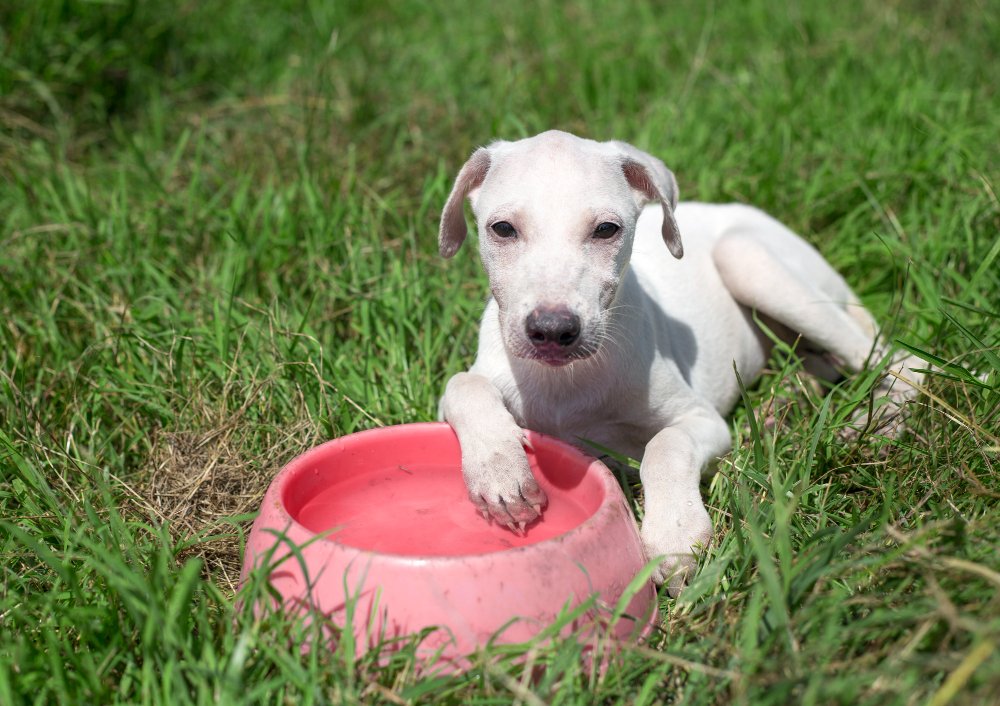
A sudden increase in thirst (polydipsia) and urination (polyuria) is one of the earliest red flags for:
-
Chronic kidney disease (CKD)
-
Diabetes mellitus
-
Hyperthyroidism (especially in cats)
-
Cushing’s disease (in dogs)
What to do: Track approximate daily water intake and note any change in litter-box use or potty frequency. Mention this specifically at the vet visit—it’s more informative than “seems fine.”
2. Unexplained weight loss (or gain)
Losing weight despite a normal or even increased appetite can signal:
-
Hyperthyroidism (cats)
-
CKD
-
Diabetes
-
Cancer or gastrointestinal disease
Conversely, unexplained weight gain may point to endocrine issues (e.g., Cushing’s) or reduced mobility leading to less activity.
What to do: Weigh your pet monthly at home (a baby scale works for cats; a bathroom scale with/without you works for dogs). A 5% change in body weight in a senior cat is considered significant, even if they “look fine”.
3. Slower movement, stiffness, or reluctance to jump
Owners often describe this as “slowing down,” but it’s frequently osteoarthritis or musculoskeletal pain:
-
Hesitation on stairs
-
Shorter walks
-
Less jumping or choosing lower perches (cats)
-
Difficulty rising from a lie-down
Arthritis affects roughly 50% of dogs over 10 and is widely under-treated because it’s mistaken for normal aging.
What to do: Note which activities your pet avoids. Ask your vet about pain management options (NSAIDs, joint supplements, monoclonal antibody injections like Librela, weight control, and controlled exercise).
4. Changes in grooming or coat quality
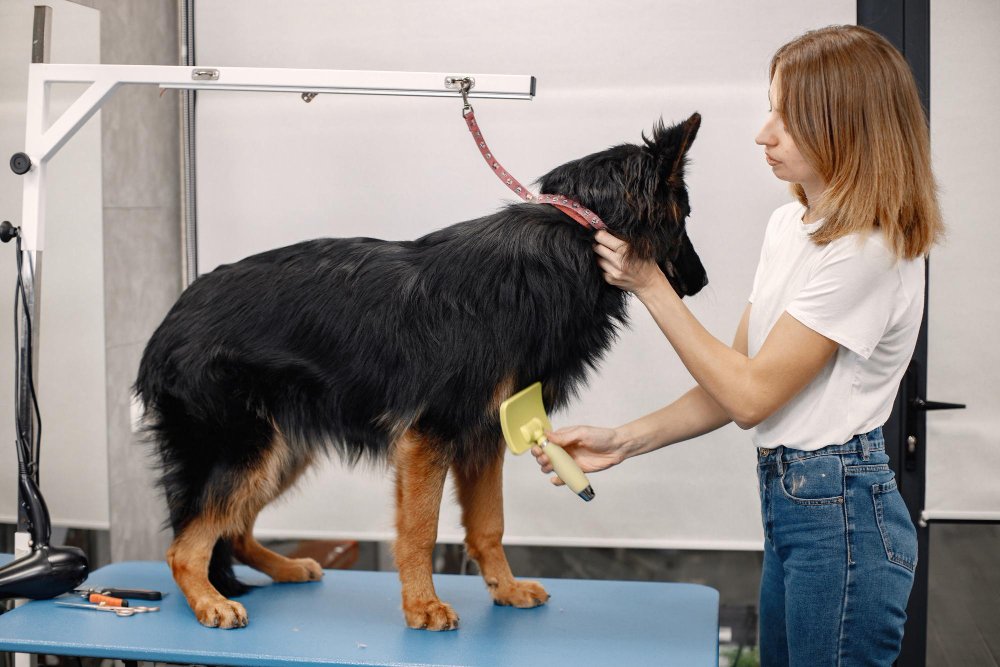
A cat that stops grooming thoroughly, develops mats, or has a dull, coarse coat may be experiencing:
-
Spinal or hip pain that limits reach
-
Dental pain
-
Systemic illness (kidney, liver, endocrine)
In dogs, a suddenly rough or thinning coat can signal endocrine disease, nutritional issues, or chronic pain.
What to do: Check for mats, especially along the back and hindquarters. Mention any grooming changes to your vet—they can indicate pain you can’t see.
5. Bad breath, drooling, or difficulty eating
Severe periodontal disease affects about 70% of dogs over 8 and is one of the most under-diagnosed senior conditions. Signs include:
-
Noticeably worse breath
-
Dropping food while eating
-
Chewing on one side
-
Reluctance to eat hard kibble
Dental disease isn’t just about smelly breath—it can lead to heart valve infections, kidney damage, and chronic pain.
What to do: Lift your pet’s lips in good light and look for red gums, brown tartar at the gumline, or broken teeth. Ask your vet about professional dental cleaning under anesthesia as part of routine senior care.
6. Coughing, panting, or breathing changes
A persistent dry cough, rapid breathing at rest, or unusual panting can indicate:
-
Heart disease (especially in small-breed dogs)
-
Respiratory disease
-
Pain or anxiety
What to do: Note when the cough occurs (after exercise? at night?) and whether your pet seems tired more easily. This helps your vet decide if cardiac imaging is needed.
7. House-soiling or litter-box changes
A previously trained pet starting to have accidents, straining to urinate/defecate, or eliminating outside the box may be dealing with:
-
CKD or diabetes (increased urgency/volume)
-
Constipation
-
Cognitive dysfunction
-
Pain making it hard to reach the box in times
What to do: Don’t assume it’s behavioral. Track frequency, consistency, and any straining, and share this with your vet.
8. Night-time restlessness or vocalization
Increased night-time pacing, wandering, or vocalizing (especially in cats) can be a sign of:
-
Cognitive dysfunction (dementia-like changes)
-
Pain that’s worse when resting
-
Sensory decline (vision/hearing loss)
Canine cognitive dysfunction (CCD) affects about 30% of dogs over 11 and often starts with sleep-cycle changes and disorientation.
What to do: Keep a simple log of night-time behaviors with dates. Early intervention (diet, environmental enrichment, medications like selegiline) can slow progression.
9. New lumps, bumps, or non-healing sores
Any new mass, rapidly growing lump, or sore that doesn’t heal within a couple of weeks should be checked. While not all growths are malignant, early evaluation improves outcomes if treatment is needed.
What to do: Take a photo with a ruler for scale and note the date. Ask your vet whether a fine-needle aspirate or biopsy is warranted.
10. Cloudy eyes or vision changes
Cloudiness, squinting, or bumping into objects can signal:
-
Cataracts
-
Glaucoma
-
Retinal disease (sometimes linked to hypertension)
What to do: Mention any vision changes at the exam. Your vet may check blood pressure and refer for an ophthalmology evaluation if needed.
11. Behavior or personality shifts

Subtle changes like:
-
Less interest in greeting you
-
Increased irritability
-
Hiding more (cats)
-
Reduced response to commands
These can reflect pain, sensory loss, or cognitive decline.
What to do: Compare current behavior to 6–12 months ago. Specific examples (“used to run to the door, now walks slowly”) help your vet pinpoint causes.
12. “Just not themselves” without a clear symptom
Sometimes the only sign is a vague sense that something’s off. Because pets hide illness so well, this intuition is worth taking seriously—especially in seniors.
What to do: If you feel something’s wrong but can’t name it, request a senior wellness screen (bloodwork, urinalysis, blood pressure). Trends over time are often more revealing than a single “in-range” result.
What to ask for at a senior wellness visit
The AAHA Senior Pet Guidelines recommend a minimum diagnostic database every 12 months (every 6 months for some seniors), including:
-
Complete Blood Count (CBC): screens for anemia, infection, inflammation
-
Comprehensive metabolic panel: evaluates kidney, liver, glucose, electrolytes; ask for SDMA (an earlier kidney marker)
-
Total T4: thyroid screening (critical for cats and middle-aged dogs)
-
Urinalysis with specific gravity: often the earliest indicator of kidney disease
-
Blood pressure measurement: increasingly standard for seniors
-
Dental assessment: under anesthesia if needed for full evaluation
-
Mobility and cognitive evaluation: simple in-clinic tests and owner
For cats aged 10–15, twice-yearly exams are recommended; for those over 15, every four months if healthy. For dogs, most vets shift to twice-yearly exams once they’re senior, with annual (or semi-annual) bloodwork.
Practical at-home monitoring between visits
You don’t need to be a vet to catch early changes. A simple monthly routine can make a big difference:
-
Weigh your pet and note any 5%+ change
-
Track water intake roughly (refill amounts, frequency)
-
Log mobility: stairs, jumps, walk length, getting up from rest
-
Note appetite and bathroom habits: any accidents, straining, or changes in frequency
-
Check mouth and coat: bad breath, tartar, mats, dullness
-
Record behavior: night-time restlessness, confusion, social changes
Bring this log to appointments. It turns vague concerns into concrete data your vet can act on.
When to call the vet sooner rather than later

Don’t wait for the next scheduled visit if you notice:
-
Sudden, significant weight loss
-
Marked increase in thirst/urination
-
Persistent coughing or breathing difficulty
-
Repeated vomiting or diarrhea
-
Inability to rise, walk, or use the litter box
-
New seizures, collapse, or severe disorientation
These can indicate conditions that need prompt attention.
Final thoughts: aging isn’t a disease, but it does raise the stakes
Old age itself isn’t an illness, but it does increase the likelihood of conditions that are easier to manage when caught early. The key is shifting from “wait until something’s obviously wrong” to “track small changes and screen regularly.”
If you take one thing from this checklist, let it be this: don’t normalize changes just because your pet is older. Pair your observations with regular senior wellness screens, and you’ll give your aging companion the best chance at a comfortable, high-quality life for as long as possible.
Disclaimer
This article is for informational purposes only and is not a substitute for professional veterinary advice, diagnosis, or treatment. Every pet is different; what’s “normal” for one may be a warning sign for another. Always consult your veterinarian about any changes in your senior pet’s health, behavior, appetite, thirst, weight, or mobility, and before starting, stopping, or changing any medications, supplements, or diets.


Comments
No comments yet. Be the first to share your thoughts.