

The Best Cat Litters of 2026: A Veterinarian-Approved Guide


I’ve always been meticulous about the cat litter I recommend to my clients and choose for my own feline companions. The right litter isn't just about avoiding bad odors or messy tracking; it directly impacts your cat’s urinary health, stress levels, and respiratory well-being.
The market for cat litter has evolved significantly. From advanced low-dust clay formulations to sustainable corn and silica crystals, finding the best cat litter in 2026 comes down to understanding your cat’s natural instincts and your household's needs.
In this guide, we’ll break down the scientific factors behind choosing the right substrate, evaluate the top-performing litters on the market, and share veterinary-approved strategies for transitioning your cat smoothly.
What Science Says: Factors to Consider When Choosing Cat Litter
Choosing the best cat litter requires balancing feline physiology with human convenience. In my clinical experience, when cats stop using their litter box, the problem is rarely "bad behavior"—it’s usually an issue with the litter's texture, smell, or cleanliness.
1. Substrate Material
-
Clumping Clay (Sodium Bentonite): The industry standard. Highly absorbent and forms tight, scoopable clumps. However, traditional clay can produce silica dust and is non-biodegradable.
-
Silica Gel Crystals: Highly porous mineral crystals that trap moisture and evaporate liquids while trapping odors. Excellent for low-dust environments, but some cats dislike the crunch underfoot.
-
Natural & Biodegradable (Corn, Wheat, Wood, Paper): Made from renewable resources. Excellent for cats or owners with respiratory sensitivities. These options are lightweight and eco-friendly, though odor control varies.
2. Clumping vs. Non-Clumping
Clumping litters bind together upon contact with liquid, allowing for daily removal of both solid and liquid waste. Non-clumping litters absorb urine without forming tight balls; while often less expensive upfront, the entire box must be dumped and sanitized far more frequently.
| Material | Clumping | Dust Level | Eco-Friendly | Best For |
|---|---|---|---|---|
| Bentonite Clay | High | Moderate | No | Multi-cat home |
| Silica Crystals | Low/None | Very Low | No | Low maintenance |
| Whole Corn | High | Low | Yes | Natural choice |
| Recycled Paper | Low | Minimal | Yes | Post-surgery recovery |
3. Scented vs. Unscented: A Vet's Warning
While humans prefer floral or laundry scents, a cat's sense of smell is roughly 14 times stronger than ours. Heavy artificial fragrances can overwhelm a cat's delicate olfactory system, leading to box avoidance. Unscented litters that rely on activated carbon or natural enzymes for odor neutralization are almost always the healthier choice.
4. Dust Production & Respiratory Health
A dusty litter box releases respirable particles into the air every time your cat digs. Over time, this can trigger feline asthma, exacerbate chronic bronchitis, and cause irritation for human family members with allergies.
Top Cat Litter Picks for 2026
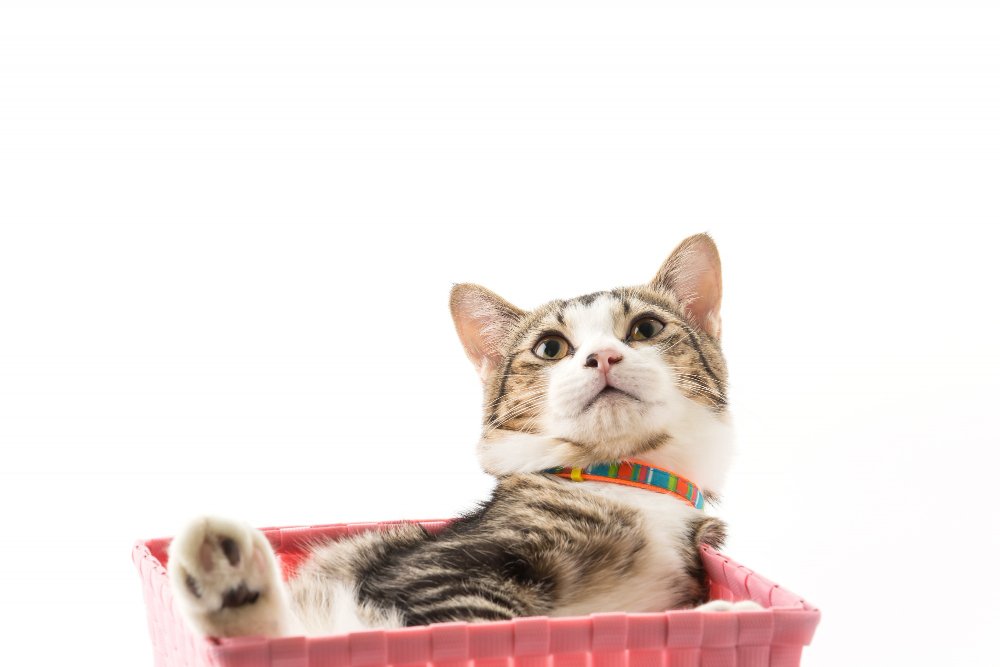
Based on clinical performance, dust-testing, and user feedback across multi-cat households, here are the top cat litter recommendations for 2026.
1. Best Overall: Arm & Hammer Clump & Seal Multi-Cat
An exceptional clay-based option engineered specifically for high-traffic boxes. It utilizes micro-particles to seal and destroy odors on contact.
-
Pros: Unmatched tight clumping, virtually zero airborne dust during pouring, exceptional 7-day odor control for multiple cats.
-
Cons: The fine texture can track slightly; the brand's wide variety of sub-formulas can be confusing to navigate.
2. Best Unscented & Budget-Friendly: Dr. Elsey’s Ultra Unscented
Formulated by a fellow veterinarian, this 100% natural bentonite clay litter features a medium-grain texture that prevents tracking while offering superior clumping.
-
Pros: Hypoallergenic, completely fragrance-free, heavy granules prevent tracking, ideal for cats with feline lower urinary tract disease (FLUTD).
-
Cons: The heavy, non-resealable bag can be awkward to handle and pour.
3. Best Natural / Biodegradable: World’s Best Cat Litter (Multiple Cat)
Harvested from whole-kernel corn, this lightweight formula offers remarkable clumping power without relying on synthetic chemicals or mined clay.
-
Pros: Plant-based and flushable (where local regulations permit), virtually dust-free, safe for cats with asthma or allergies.
-
Cons: Higher price point; plant matter can attract flour beetles or pests if stored in warm, unsealed environments.
4. Best Value Clumping Clay: Arm & Hammer Super Scoop Unscented
A reliable, low-frills performer that combines bentonite clay with baking soda for natural, non-fragranced odor neutralization.
-
Pros: Highly affordable, consistent hard clumps that don't crumble during scooping, minimal tracking.
-
Cons: Heavier than plant-based litters; slightly higher dust output than the Clump & Seal line.
5. Best Scented Option: Fresh Step Advanced Clean Laundry Scent
For homes where an added fragrance is necessary, Fresh Step Advanced uses activated charcoal alongside a mild laundry scent that activates upon stepping.
-
Pros: Sturdy clumps that hold together during removal, powerful odor-masking capabilities for small living spaces.
-
Cons: Strong synthetic scent may be overwhelming for scent-sensitive or asthmatic cats.
Automatic Litter Boxes & Litter Compatibility
Self-cleaning litter boxes (such as the Litter-Robot 4 or ChillX AutoEgg) have transformed cat care. These units use automated sifting mechanisms to separate waste into a sealed drawer shortly after your cat steps out.
What Works Best in an Automatic Box?
-
Must Clump Firmly: Automatic rakes and rotating drums exert physical force on the waste. If the clump is soft, it will break apart and pollute the clean litter reservoir.
-
Grain Size Matters: Micro-clumping clays and fine corn litters pass through the sifting screens smoothly. Large crystal litters or pelletized paper will clog the mechanism.
-
Top Recommendations: Arm & Hammer Clump & Seal and Dr. Elsey's Ultra consistently perform best in automated systems.
Vet Tip: Never use non-clumping or lightweight alternative litters in rotating automatic boxes unless the manufacturer explicitly approves them. Soft clumps can smear across the internal sensors, causing mechanical faults.
Veterinary Tips for Litter Box Success
Smoothly Transitioning Your Cat
Cats are strict creatures of habit. Changing their litter abruptly can cause anxiety and lead to inappropriate urination on rugs or furniture.
-
Days 1–3: Fill the box with 75% old litter and 25% new litter.
-
Days 4–7: Shift the mix to 50% old and 50% new.
-
Days 8–10: Move to 25% old and 75% new.
-
Day 11 Onward: 100% new litter.
If you have space, place a second box containing only the new litter right next to the original box to let your cat explore it on their own terms.
Litter Box Hygiene Best Practices
-
The 1+1 Rule: You should have one litter box per cat in your home, plus one extra (e.g., 2 cats = 3 litter boxes).
-
Maintain Depth: Keep a consistent depth of 2 to 3 inches of litter. Too shallow, and urine bakes onto the bottom pan; too deep, and your cat feels unstable while digging.
-
Scoop Daily: Fecal waste and urine clumps should be scooped at least once every 24 hours.
-
Monthly Deep Clean: Wash the entire box with warm water and mild, unscented dish soap every 3–4 weeks. Avoid harsh chemical disinfectants like bleach or pine cleaners, which are toxic to cats.
-
Replace the Box Annually: Micro-scratches from your cat’s claws trap bacteria and odors over time. Replace plastic litter pans once a year.
Frequently Asked Questions
What is the healthiest type of litter for my cat?
Unscented, low-dust litters—such as Dr. Elsey’s Ultra Unscented or plant-based options like World’s Best—are the healthiest. They minimize respiratory irritation and avoid chemical fragrances that can trigger stress or skin allergies.
How often should I completely replace clay litter?
For clumping clay litter, scoop daily and top off as needed. Perform a complete clean-out (dumping all litter, washing the pan, and refilling with fresh litter) every 2 to 4 weeks per cat.
Can cat litter cause respiratory issues in humans or pets?
Yes. Litters high in silica dust or artificial perfumes can irritate sensitive lung tissue, triggering asthma attacks in cats and allergic rhinitis in humans. Always opt for litters explicitly labeled 99% dust-free.
Final Thoughts
The "perfect" cat litter is ultimately the one your cat agrees to use consistently. While Arm & Hammer Clump & Seal takes our top pick for performance and convenience, pay close attention to your cat's behavior. If your cat digs happily, covers their waste, and steps out calmly, you’ve found the right match.


Comments
No comments yet. Be the first to share your thoughts.