
The Best High-Protein Cat Foods of 2026


Vet Recommended Picks for Every Budget and Life Stage
The Pet Food Industry Is Not What You Think
Here is something most pet food companies would rather you did not know: the pet food industry in the United States is one of the least regulated corners of the food supply chain. While human food goes through rigorous FDA oversight at every step, your cat's dinner operates under a patchwork of voluntary guidelines and state-level enforcement that varies wildly from one border to the next.
AAFCO, the Association of American Feed Control Officials, sets nutritional standards for pet food. But here is the catch. AAFCO has no enforcement power whatsoever. It is an advisory body. Individual states choose whether to adopt their guidelines, and many do not have the funding or staff to conduct meaningful inspections. That means the "complete and balanced" claim on your cat's food label may or may not reflect what is actually in the bag or can.
This is not meant to scare you. It is meant to empower you. When you understand how to read labels, calculate actual protein content, and identify marketing tricks disguised as nutrition claims, you become your cat's best advocate. And that is exactly what this guide will help you do.
Why Protein Matters for Your Cat
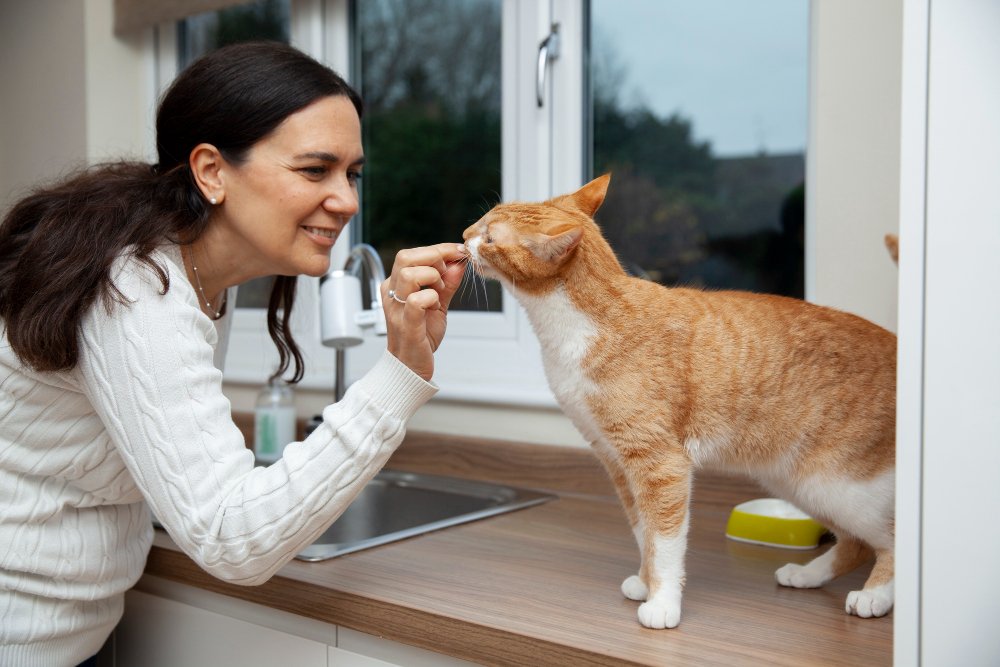
Cats are obligate carnivores. This is not a lifestyle choice or a trendy dietary preference. It is a fundamental biological reality that has been shaped by millions of years of evolution. Unlike dogs and humans who can thrive on a mixed diet, your cat's entire metabolic system is designed to extract nutrition from animal tissue.
Yet walk down the pet food aisle at your local store and you will find cat foods containing 26 to 30 percent protein, padded with corn, wheat, rice, and other fillers your cat would never encounter in nature. This nutritional mismatch is a driving force behind the epidemic of feline obesity, diabetes, and chronic health problems veterinarians see every single day.
Here is why your cat needs protein from animal sources:
• Essential Amino Acids: Cats cannot manufacture taurine, arginine, methionine, or cysteine on their own. These must come directly from animal tissue. Without them, your cat faces heart disease, vision loss, and metabolic failure.
• Limited Carbohydrate Processing: Cats lack the digestive enzymes needed to efficiently break down carbohydrates. Diets high in carbs push cats toward obesity and diabetes. You should aim for less than 10 percent carbohydrates on a dry matter basis.
• Protein as Primary Fuel: Unlike humans, who burn carbs for energy, cats use protein as their primary energy source through a process called gluconeogenesis. This means they need a continuous supply of dietary protein just to keep the lights on.
If your cat is showing signs of low energy, weight gain, or dull coat, a protein deficiency could be part of the picture. A quick visit with your veterinarian can help rule out underlying causes. Find a trusted vet near you at petzooie.com/vets.
Understanding Feline Protein Requirements
AAFCO sets minimum protein standards, but minimums and optimums are two very different things. Think of it this way: the minimum wage keeps you from starving, but it does not mean you are thriving.
AAFCO Minimum Standards:
• Adult maintenance: 26% crude protein (dry matter basis)
• Growth and reproduction: 30% crude protein
Optimal Levels Based on Current Research:
• Adult cats: 40 to 50% crude protein
• Kittens: 45 to 55% crude protein
• Senior cats: 40 to 50% (contrary to the outdated belief that seniors need protein restriction)
Recent studies from veterinary institutions, including Cornell University and UC Davis, suggest that cats maintain better body condition, lean muscle mass, and metabolic health on higher-protein diets than AAFCO minimums allow. The gap between what is required and what is optimal is significant.
How to Read Cat Food Labels Like a Professional
Converting to Dry Matter Basis
Different foods have different moisture levels, which makes direct label comparisons almost impossible. You need to convert everything to a dry matter basis. Here is the formula:
Dry Matter Protein % = (Protein % divided by (100 minus Moisture %)) multiplied by 100
Example with Dry Food: A label reads 32% protein and 10% moisture. The calculation is (32 divided by 90) multiplied by 100, which equals 35.6% protein on a dry matter basis.
Example with Wet Food: A label reads 10% protein and 78% moisture. The calculation is (10 divided by 22) multiplied by 100, which equals 45.5% protein on a dry matter basis.
This is exactly why many wet foods are nutritionally superior despite having lower numbers on the label. Do not let the packaging fool you.
Calculating Hidden Carbohydrates
Pet food labels are not required to list carbohydrate content. Convenient for manufacturers, frustrating for you. But you can calculate it yourself:
Carbs % = 100 minus (Protein + Fat + Fiber + Moisture + Ash)
If ash is not listed, estimate 6-8% for dry food and 2-3% for wet food. Aim for less than 10% carbohydrates on a dry matter basis. Anything above 20% is too high for most cats.
Decoding Ingredient Lists
Quality Protein Sources (Look For These):
• Named meat meals such as "chicken meal" or "turkey meal" (concentrated protein with moisture removed)
• Named whole meats such as "chicken" or "turkey" (includes moisture, less concentrated)
• Named organs such as "chicken liver" or "turkey heart."
• Whole eggs
Red Flags (Avoid These):
• Generic meals such as "poultry meal" or "meat meal" (unknown and variable sources)
• By products (variable quality, less digestible)
• Plant proteins such as "pea protein" or "corn gluten meal" (incomplete amino acids for cats)
• Grains listed as the first ingredient
• Labels saying "with chicken" (only 3% chicken required) or "chicken flavor" (no actual chicken needed)
What High-Protein Cat Food Actually Costs: A Real-World Comparison
One of the biggest objections to high-protein cat food is the price tag. But when you break down the actual cost per day, the difference between budget and premium is often less dramatic than you would expect. Here is a side-by-side comparison for a 10-pound adult cat:
|
|
|
|
|
|
|
|
|
|
|
|
|
|
|
|
|
|
|
|
|
|
|
|
|
|
|
|
|
|
|
|
|
|
|
|
|
|
|
|
|
|
|
|
|
|
|
|
|
|
|
|
|
|
|
|
|
|
|
|
|
|
|
|
|
|
|
|
|
|
|
|
Important note: Prices fluctuate based on retailer, region, and sales. Always verify current pricing before purchasing. These estimates are based on the average 2026 retail prices and assume a 10-pound adult cat eating the recommended portions.
Here is the real math that most people miss: cats eating higher-quality food often eat less of it because the nutrient density is higher. A cat on premium wet food may consume 5 to 6 ounces per day, while a cat on budget kibble may need 1/2 cup or more. Factor in reduced veterinary bills from fewer diet-related health problems, and the cost gap shrinks even further.
The Best High-Protein Dry Cat Foods

A quick note before we dive in: wet food is nutritionally superior to dry food for most cats due to its higher moisture content and typically lower carbohydrate content. Ideally, dry food should make up no more than 25 to 30 percent of your cat's diet. That said, dry food has its place for convenience, cost management, and multi-cat households. Here are the best options if you are going to use it.
Premium Tier
1. Orijen Original Cat and Kitten
• Protein: 44% (dry matter basis)
• Carbs: approximately 18%
• First ingredients: Chicken, turkey, whole herring, chicken liver, flounder
• Cost: approximately $75 to $90 for a 12-pound bag
• Best for: All life stages, maximum quality, picky eaters
What makes Orijen stand out is its whole-prey ratio. With 85% of protein coming from animal sources and a freeze-dried liver coating that even the pickiest cats find irresistible, this is as close to biologically appropriate dry food as you can get.
2. Instinct Ultimate Protein
• Protein: 48% (dry matter basis), the highest available in dry food
• Carbs: approximately 15%
• First ingredients: Chicken, chicken meal, turkey meal, fish meal
• Cost: approximately $50 to $65 for an 11-pound bag
• Best for: Active cats, underweight cats, muscle building
If you are looking for maximum protein density in a kibble, this is it. The combination of whole meats and quality meat meals delivers an impressive amino acid profile.
Mid Tier (Best Value)
3. Wellness CORE Grain Free Original
• Protein: 42% (dry matter basis)
• Carbs: approximately 22%
• First ingredients: Deboned turkey, turkey meal, chicken meal, peas
• Cost: approximately $40 to $52 for an 11-pound bag
• Best for: Budget-conscious quality, multi-cat households
Wellness CORE hits the sweet spot between quality and affordability. Widely available at most pet stores and online retailers, this is a solid daily driver.
4. Taste of the Wild Rocky Mountain
• Protein: 47% (dry matter basis)
• Carbs: approximately 20%
• First ingredients: Chicken meal, peas, sweet potatoes
• Cost: approximately $35 to $45 for a 14-pound bag
• Best for: Best protein to price ratio, multi-cat homes
Dollar for dollar, this is the best value in high-protein dry cat food. The inclusion of species-specific probiotics is a nice bonus for digestive health.
The Best High-Protein Wet Cat Foods
Wet food is where nutrition really shines for cats. Higher moisture content (78 to 82%), lower carbohydrates (often under 5%), and a composition that is much closer to what cats would eat in nature. If you can only make one change to your cat's diet, switching to more wet food is the single biggest improvement most owners can make.
Premium Tier
1. Ziwi Peak Canned
• Protein: 48% (dry matter basis)
• Carbs: less than 2% (exceptional)
• Ingredients: Chicken, chicken liver, heart, bone, New Zealand green mussel
• Cost: approximately $4 to $5 per 6.5-ounce can (roughly $145 to $180 per month for a 10-pound cat)
• Best for: Diabetic cats, IBD, highest quality
Ziwi Peak uses whole prey ratios with minimal processing. The ultra-low carbohydrate content makes this an excellent choice for diabetic cats, where dietary management can sometimes lead to remission.
2. Tiki Cat Puka Puka Luau
• Protein: 73% (dry matter basis), the highest available in any cat food
• Carbs: less than 1%
• Ingredients: Chicken, chicken broth, sunflower oil, minimal additives
• Cost: approximately $2.50 to $3.50 per 2.8-ounce can (roughly $225 to $315 per month)
• Best for: Diabetic cats, CKD, sensitive stomachs
The protein density here is remarkable. Whole shredded meat with no thickeners, no gums, and virtually zero carbohydrates. If your cat has a sensitive stomach or needs strict carbohydrate restriction, this is the gold standard.
3. Weruva Paw Lickin Chicken
• Protein: 56% (dry matter basis)
• Carbs: less than 1%
• Ingredients: Chicken, chicken broth, sunflower oil
• Cost: approximately $2 to $3 per 3-ounce pouch (roughly $150 to $270 per month)
• Best for: CKD cats, picky eaters, human-grade quality
Weruva is one of the few brands that uses genuinely human-grade ingredients processed in a human food facility. The low phosphorus content makes it particularly valuable for cats with kidney concerns.
Mid Tier (Best Value)
4. Wellness CORE Grain Free Pate
• Protein: 50% (dry matter basis)
• Carbs: approximately 6%
• Ingredients: Turkey, turkey liver, turkey broth
• Cost: approximately $1.50 to $2 per 5.5-ounce can (roughly $60 to $90 per month)
• Best for: Adult cats, budget-conscious quality
This is the workhorse of the high-protein wet food world. Solid nutrition at a price that will not make you wince every time you open a can.
5. Fancy Feast Classic Pate (Select Flavors Only)
• Protein: 45% (dry matter basis)
• Carbs: approximately 8%
• Cost: approximately $0.50 to $0.70 per 3-ounce can (roughly $37 to $63 per month)
• Best for: Tight budgets, picky eaters, senior cats with poor appetite
Critical note: Only the Classic Pate flavors qualify here (chicken, turkey, beef). The "Gravy Lovers" and "Medleys" varieties contain significantly higher carbohydrates and do not meet our criteria. Read the label carefully.
Worth Watching: Newer Brands Making Waves in 2026
The high protein cat food market has expanded significantly over the past couple of years. Here are some newer options that have caught my attention and are worth considering:
Smalls Fresh Cat Food (Subscription)
• Protein: 50 to 55% (dry matter basis) depending on recipe
• Carbs: 1 to 3%
• Delivered fresh and frozen to your door
• Cost: approximately $3 to $5 per day, depending on cat size and recipe
• Best for: Owners who want restaurant-quality nutrition with zero prep work
Fresh cat food delivery services have matured considerably. Smalls uses whole muscle meats and organs with minimal processing. The subscription model means your cat gets consistent nutrition without you having to remember to restock.
Nulo Freestyle (Dry and Wet)
• Protein: 44 to 50% (dry matter basis)
• Carbs: 8 to 18% depending on formula
• Uses patented BC30 probiotic that survives the kibble cooking process
• Cost: approximately $45 to $55 for a 12-pound bag (dry), $1.50 to $2.50 per can (wet)
• Best for: Cats with digestive sensitivities who need both dry and wet options from a single brand
Koha Limited Ingredient Wet Food
• Protein: 45 to 52% (dry matter basis)
• Carbs: 1 to 5%
• Single animal protein source per recipe (excellent for elimination diets)
• Cost: approximately $2 to $3 per 5.5-ounce can
• Best for: Cats with suspected food allergies or sensitivities, elimination diet trials
For more on identifying and managing food allergies in cats, check out our guide at petzooie.com/.
Special Considerations by Life Stage and Health Status
Kittens (Birth to 12 Months)
• Minimum 45 to 55% protein for proper growth
• Higher fat content (20 to 30%) for brain development and energy
• Free feed until 6 months old, then transition to three meals daily from 6 to 12 months
• Best options: Orijen Cat and Kitten, Wellness CORE Kitten, Ziwi Peak
Senior Cats (7 Years and Older)
Let me clear up a persistent myth: the old advice about restricting protein for senior cats has been thoroughly debunked. Unless your senior cat has been specifically diagnosed with advanced kidney disease and your veterinarian has recommended a prescription renal diet, your older cat needs MORE high-quality protein, not less. Muscle mass naturally declines with age, and adequate protein is essential to slow that process.
• Aim for 40 to 50% protein from highly digestible sources
• Keep phosphorus below 1.5% (dry matter) for kidney protection
• Wet food is strongly preferred for hydration and palatability
• Best options: Ziwi Peak, Weruva, Tiki Cat
Diabetic Cats
This is where nutrition becomes genuinely powerful medicine. High protein (45 to 55% or higher), ultra-low carbohydrate (under 5%) diets have been shown to promote diabetic remission in some cats. Wet food is essential.
• Best options: Ziwi Peak (under 2% carbs), Tiki Cat (under 1% carbs)
• Critical: Diet changes directly affect insulin requirements. Never adjust your diabetic cat's diet without working closely with your veterinarian. Dose adjustments may be needed within days of switching foods.
Overweight and Obese Cats
Approximately 60% of cats in the United States are overweight or obese. High-protein diets (40 to 50%) help maintain muscle mass during weight loss, while wet food increases satiety, so your cat feels full on fewer calories.
• Safe weight loss: 0.5 to 2% of body weight per week
• Never crash diet a cat. Rapid weight loss in cats can trigger hepatic lipidosis (fatty liver disease), which can be fatal.
• Best options: Tiki Cat, Wellness CORE, Weruva
Chronic Kidney Disease (CKD)
CKD management is nuanced. The focus should be on protein QUALITY and digestibility rather than blanket protein restriction. Work closely with your veterinarian to find the right balance for your cat's specific stage of kidney disease.
• Strict phosphorus restriction (under 0.5% dry matter)
• Wet food is essential for hydration
• Best options: Weruva (very low phosphorus), Tiki Cat, prescription renal diets if recommended by your vet
Wet Food vs. Dry Food: What the Science Actually Says
Evidence Based Advantages of Wet Food:
• Cats on wet food diets have 2 to 2.5 times higher water intake and better kidney function over their lifetime
• Wet food typically contains 1 to 10% carbohydrates versus 25 to 40% in dry food
• Studies show better weight management outcomes and lower obesity rates in cats fed primarily wet food
• Higher proportion of animal-based protein with fewer plant fillers
Where Dry Food Has Advantages:
• Convenience and cost per serving
• Longer shelf life once opened
• Can be left out for free feeding (though this practice is not recommended for most adult cats)
The Ideal Approach: Feed 75 to 100% wet food with up to 25% high quality dry food for convenience. This gives your cat the hydration and nutritional benefits of wet food while allowing flexibility in your daily routine.
Before You Switch: A Pre-Consultation Guide for Your Vet Visit
Before making any significant dietary change, especially for cats with existing health conditions, schedule a conversation with your veterinarian. To make the most of that appointment, come prepared:
Questions to Ask Your Vet:
• What protein percentage do you recommend for my cat's specific health profile?
• Are there any ingredients my cat should avoid based on current bloodwork or conditions?
• Should we run baseline bloodwork before switching to track any changes?
• How should we monitor weight and body condition during the transition?
• For diabetic cats: How should we adjust insulin timing and dosage during the food transition?
• Are there any supplements you recommend adding to a high-protein diet?
Information to Bring With You:
• A photo of the current food label (front and back, including the guaranteed analysis)
• A photo of the new food label you are considering
• Your cat's current weight and any recent weight changes
• A brief log of your cat's eating habits (how much, how often, any patterns)
• Any symptoms you have noticed (changes in energy, coat quality, litter box habits)
Not sure where to start? Find a vet near you and book a nutrition consultation.
How to Transition to High-Protein Food Safely
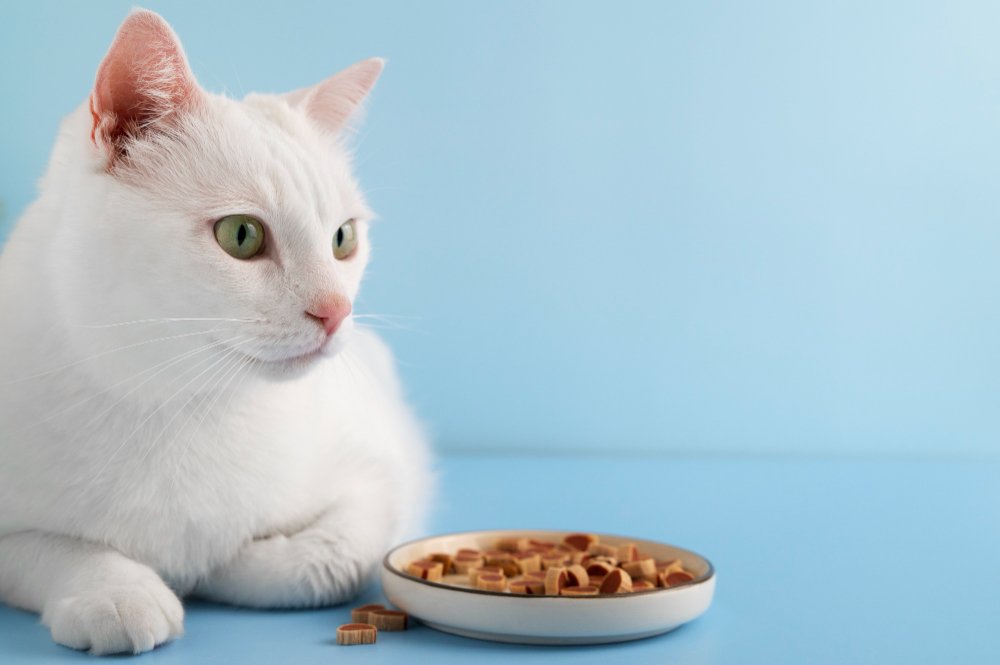
Switching your cat's food too quickly is one of the most common mistakes owners make. A gradual transition over 10 to 14 days gives your cat's digestive system time to adjust and dramatically reduces the chance of stomach upset.
Standard 14 Day Transition Schedule:
• Days 1 through 3: 75% old food, 25% new food
• Days 4 through 6: 50% old food, 50% new food
• Days 7 through 9: 25% old food, 75% new food
• Days 10 and beyond: 100% new food
Extend the transition to 3 to 4 weeks if your cat has a sensitive stomach, is a senior cat, or you are switching from a low-protein diet to a very high-protein diet.
Tips for a Smooth Transition:
• Add a probiotic supplement such as FortiFlora during the switch
• Feed smaller, more frequent meals rather than two large ones
• Warm wet food slightly to enhance the aroma and palatability
What is Normal During Transition:
• Slightly softer stool for 2 to 3 days
• Mild gas
• Temporary increase in water consumption
When to Contact Your Vet:
• Vomiting more than once
• Diarrhea lasting more than 2 days
• Complete refusal to eat for 24 hours or longer
• Lethargy or significant behavior changes
Rebuilding Nutrition After Illness or Surgery
If your cat has recently recovered from an illness, surgery, or a prolonged period of poor nutrition, the transition back to a high-protein diet requires extra care and patience. A weakened digestive system needs time to rebuild its capacity.
Key Principles for Recovery Feeding:
• Start with highly digestible protein sources such as plain boiled chicken breast or a recovery formula recommended by your vet
• Feed small meals every 4 to 6 hours rather than two large meals
• Gradually increase protein content over 3 to 4 weeks rather than the standard 2-week transition
• Monitor weight carefully. Aim for slow, steady weight gain of no more than 1 to 2% of body weight per week
• Consider adding a veterinary-grade probiotic to support gut flora recovery
Cats recovering from pancreatitis, liver disease, or prolonged anorexia are at higher risk during dietary changes. Always work with your veterinarian to create a customized recovery feeding plan.
For more guidance on managing your cat's health during and after illness, visit petzooie.com/pet-health.
Seasonal Feeding Tips for High-Protein Diets
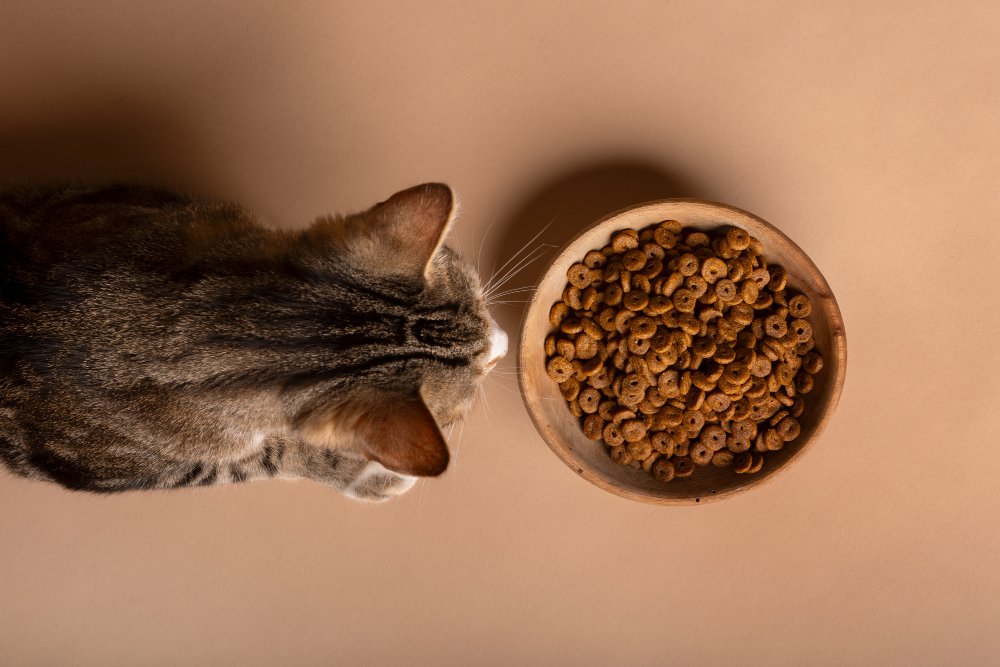
Your cat's nutritional needs shift subtly with the seasons. Here is how to adjust:
Spring and Summer:
• Increase wet food ratio to combat dehydration in warmer weather
• Watch for reduced appetite in heat. Smaller, more frequent meals work better
• Refrigerated wet food should be brought to room temperature before serving (cold food is less palatable and can cause mild stomach upset)
• Check stored dry food for signs of rancidity. Fats in high-protein kibble degrade faster in warm, humid conditions. Store in a cool, dry location in an airtight container
Fall and Winter:
• Indoor cats may need a slight calorie reduction as activity levels naturally decrease
• Outdoor or indoor/outdoor cats may need 10 to 15% more calories to maintain body temperature
• Dry indoor air can increase dehydration risk. Emphasize wet food and fresh water availability
• Holiday hazards: keep your cat away from rich human foods, especially those containing onion, garlic, chocolate, or alcohol
Year-Round:
• Weigh your cat monthly and adjust portions accordingly
• Rotate protein sources every 2 to 3 months to reduce the risk of developing food sensitivities
• Keep fresh water available at all times. Consider a cat water fountain, as many cats prefer running water
Your High Protein Diet Switch Checklist
Before you start the transition, make sure you have everything in place. Print this checklist and tape it to your fridge:
• Schedule a vet visit to discuss the dietary change and get baseline bloodwork
• Research and select your target food (use the comparison table above)
• Purchase a 2-week supply of the new food (do not buy in bulk until you confirm your cat accepts it)
• Pick up a veterinary probiotic such as FortiFlora for digestive support
• Get a reliable kitchen scale if you do not already have one (weighing food is more accurate than measuring cups)
• Weigh your cat and record the starting weight
• Take a photo of your cat's current body condition for comparison
• Set up a simple daily log to track food intake, stool quality, energy level, and any observations
• Confirm you have your vet's after-hours or emergency contact information in case of adverse reactions
• Plan your transition schedule (write out the dates for each phase)
• Clear out old or expired food from your pantry
Frequently Asked Questions About High-Protein Cat Food
Is high protein cat food safe for all cats?
For the vast majority of healthy cats, high-protein food is not only safe but biologically ideal. Cats are obligate carnivores whose bodies are designed for protein-rich diets. The main exceptions are cats with advanced chronic kidney disease (stage 3 or 4) where your veterinarian has specifically recommended protein moderation, and cats with certain rare metabolic disorders. Always check with your vet before making major dietary changes.
Will high-protein food damage my cat's kidneys?
This is one of the most persistent myths in feline nutrition. Current veterinary research does not support the idea that high-protein diets cause kidney disease in healthy cats. The outdated recommendation to restrict protein in older cats has been largely abandoned by veterinary nutritionists. What matters more than protein quantity is protein quality and phosphorus content. Cats with existing kidney disease may need modified diets, but that is a different conversation from prevention.
How do I know if my cat is getting enough protein?
Signs of adequate protein intake include a lean, muscular body condition, a shiny and smooth coat, steady energy levels throughout the day, and healthy skin without flaking or dryness. Signs of protein deficiency include muscle wasting (especially along the spine and hind legs), dull or brittle coat, slow wound healing, lethargy, and increased susceptibility to infections.
Can I mix wet and dry high protein food?
Absolutely. In fact, a combination approach works very well for many households. Feed primarily wet food (75% or more of the diet) for the hydration and low carbohydrate benefits, and offer high quality dry food for the remaining 25% for convenience. Just make sure both foods meet the protein and carbohydrate targets discussed in this guide.
How much should I feed my cat on a high-protein diet?
Feeding amounts depend on your cat's weight, age, activity level, and the food's caloric density. As a general starting point, most adult cats need approximately 20 to 30 calories per pound of body weight per day. A 10-pound cat typically needs about 200 to 250 calories daily. Check the feeding guidelines on the specific food you choose and adjust based on your cat's body condition over time. A kitchen scale is your best tool here.
Is grain-free the same as high protein?
Not at all. This is an important distinction. Grain-free simply means the food does not contain grains like wheat, corn, or rice. Many grain-free foods replace grains with other carbohydrate sources such as potatoes, peas, or lentils, and may still have moderate to low protein levels. Always check the actual protein percentage on a dry matter basis rather than relying on marketing claims like "grain-free" as a shortcut for quality.
What about raw food diets for cats?
Raw diets are a topic that generates strong opinions on all sides. While raw food can provide excellent protein quality, it carries real risks of bacterial contamination (Salmonella, Listeria, E. coli) for both your cat and your family. If you are interested in raw feeding, work with a veterinary nutritionist to ensure the diet is nutritionally complete and handle raw food with the same safety precautions you would use for raw meat in your own kitchen.
How do I switch a picky cat to high-protein food?
Picky eating is one of the most common challenges cat owners face. Start by mixing a very small amount of the new food (just a teaspoon) into your cat's current food. Increase the proportion gradually over 2 to 4 weeks. Warming wet food to just below body temperature releases more aroma, which can help. If your cat is on dry food, try the "moisture bridge" technique: add a small amount of warm water or low-sodium chicken broth to kibble first, then gradually introduce wet food. Patience is everything with picky cats.
Should kittens eat high-protein food?
Yes. Kittens actually need MORE protein than adult cats because they are building muscle, organs, and bone tissue at a rapid rate. Look for kitten formulas with 45 to 55% protein on a dry-matter basis and a higher fat content (20 to 30%) to support brain development. Many of the high-protein adult foods listed in this guide (such as Orijen Cat and Kitten and Ziwi Peak) are formulated for all life stages and work well for kittens, too.
How often should I rotate protein sources?
Rotating protein sources every 2 to 3 months is a good practice. Variety reduces the risk of developing food sensitivities or allergies to a single protein, ensures a broader range of amino acids and micronutrients, and keeps mealtime interesting for your cat. When rotating, switch between different animal proteins (chicken to turkey to fish to beef) rather than just different brands of the same protein.
Is expensive cat food always better?
Not necessarily. Price does not always correlate with nutritional quality. Fancy Feast Classic Pate, for example, provides 45% protein on a dry matter basis at a fraction of the cost of some premium brands. What matters is the actual nutritional profile: protein percentage, carbohydrate content, protein source quality, and appropriateness for your cat's life stage and health status. Use the cost comparison table in this guide to find the best value for your budget.
Final Thoughts
High protein nutrition is not a trend or a marketing gimmick. It is a return to what cats are biologically designed to eat. The principles are straightforward:
• Protein matters: Aim for 40 to 50% or higher from quality animal sources
• Carbohydrates matter: Keep them below 10%, ideally under 5%
• Moisture matters: Wet food is superior for most cats
• Quality matters: Named animal proteins, not plant fillers or mystery meals
• Individual needs matter: Match the food to your cat's life stage, health status, and unique requirements
You do not need the most expensive food on the shelf. But you do need food that meets your cat's biological requirements. A mid-tier wet food with 45% protein and 5% carbohydrates will outperform a premium dry food with 35% protein and 25% carbohydrates every single time.
Calculate the dry matter protein and carbohydrate content. Prioritize wet food. Choose animal-based proteins. Monitor your cat's body condition regularly. And when in doubt, talk to your vet.
Every meal is an investment in your cat's health and longevity. Choose wisely. And if you need help finding a veterinarian who takes feline nutrition seriously, Visit petzooie.com to connect with a trusted professional in your area.
Disclaimer: This article is for educational purposes only. Product formulations, availability, and prices change frequently. Always verify current information directly with manufacturers and retailers. Consult your veterinarian before making significant dietary changes, especially for cats with existing health conditions. The author has no financial relationships with any pet food manufacturers mentioned in this article


Comments
No comments yet. Be the first to share your thoughts.