
Indoor vs. Outdoor Cats: What's Safer and Healthier in 2026?


Navigating a Changing World: The Risks Beyond the Door
We picture our cats enjoying the outdoors—chasing butterflies or basking in sunlight. Yet in 2026, the world outside is complex, layered with visible and invisible risks beyond just traffic and busy roads.
From a medical view, the most worrying threats are often invisible. Even in nice neighborhoods, outdoor cats face parasites and diseases that are hard to manage. Changing wildlife also brings predators closer. It's not about fear, but being realistic about their environment.
When a cat stays indoors, we gain control over every variable. We eliminate unpredictable dangers, creating a sanctuary where your cat's only concern is which sunbeam to nap in next. This is the core benefit of indoor living: safety and peace of mind.
The Story Told by the Numbers
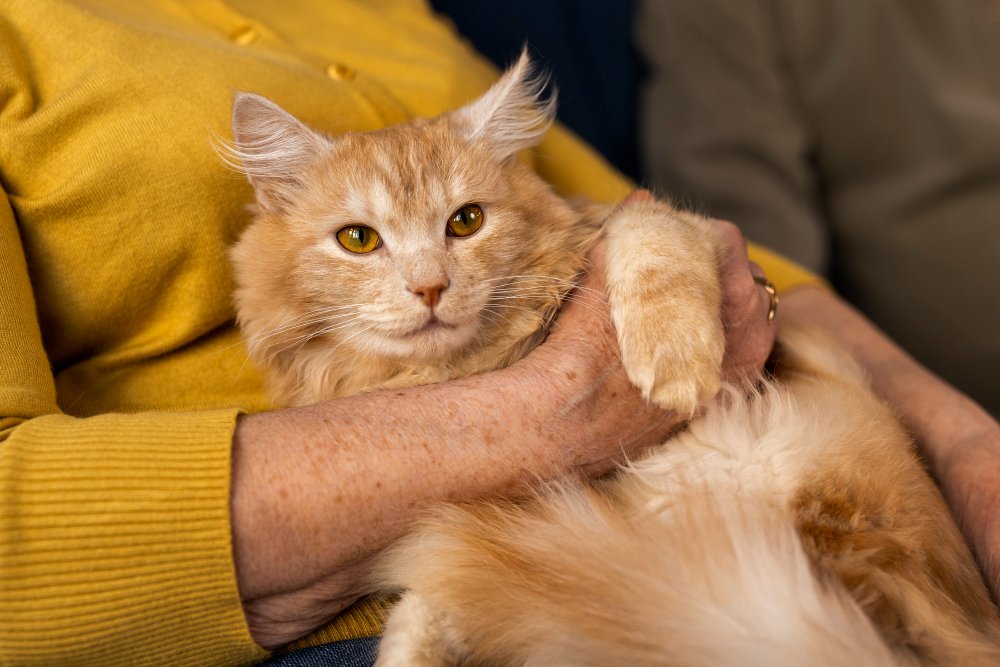
Data from 2026 tells a clear story about how long cats live with us. Cats kept safely indoors usually live much longer, while those outside face an unpredictable, shorter life.
To put it simply, here is what the current 2026 veterinary studies are showing us:
- Indoor Only Cats: Often live between 15 and 20 years
- Indoor Outdoor Cats: Average lifespan of about 8 to 10 years
- Outdoor Only Cats: Typically survive between 2 and 5 years
On average, indoor cats live twice as long as those who roam, and almost five times longer than cats left outside. This difference exists because the outdoors is full of daily, unpredictable risks.
But numbers are only part of the story. A long life is great, but the quality of those years matters too. Our 2026 conversation must focus on balancing safety and happiness. What would it mean if each of those extra indoor years felt like a true adventure for your cat? Imagine every day as a miniature safari, filled with new places to climb, puzzles to solve, and sights to discover. How might your cat fill those bonus years if every day sparked the same excitement as a fresh hunt or a new sunbeam? Instead of just asking how many years we can add to their lives, it's worth reflecting on how many adventures and meaningful experiences we can add along the way.
The Health Landscape: Weighing the Risks
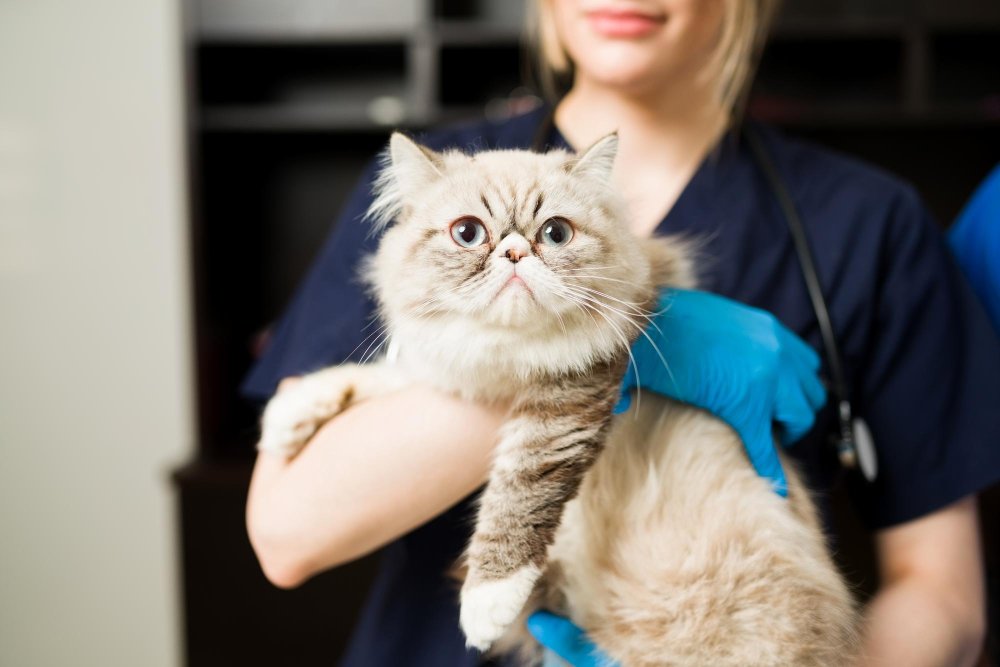
Cat health is about balancing immediate threats with long-term wellness. Both indoor and outdoor lifestyles have challenges, but of very different kinds.
Outdoor cats face sudden, life-threatening risks, while indoor cats deal with quieter, long-term issues. While we can't control the street, we can shape our indoor cats' health.
Here is a closer look at the different paths these cats navigate:
The Immediate Dangers of the Outdoor World
- Trauma and Physical Injury: This remains the leading cause of death for cats that roam. Whether it is a quiet electric car on a neighborhood street, an encounter with a local coyote, or even a fall from a high tree branch, the physical world is full of unpredictable moments.
- The Threat of Disease and Parasites: Outside, a cat is exposed to a variety of illnesses, such as Feline Leukemia (FeLV) or FIV, often spread through simple interactions with other animals. There is also the constant battle against fleas, ticks, and intestinal worms that thrive in the soil and grass.
- Environmental Toxins: Many common items, such as antifreeze and lawn pesticides, are highly dangerous to cats. Even a sip of contaminated water or a nibble on a toxic plant can turn into a medical emergency in a heartbeat.
- The Elements and Human Factors: From the bitter cold of winter to the sweltering heat of summer, the weather can be a silent enemy. Beyond that, we also have to consider the risk of a cat getting lost, trapped in a neighbor’s garage, or even taken by someone who does not know they already have a loving home.
The Quiet Challenges of the Indoor Life
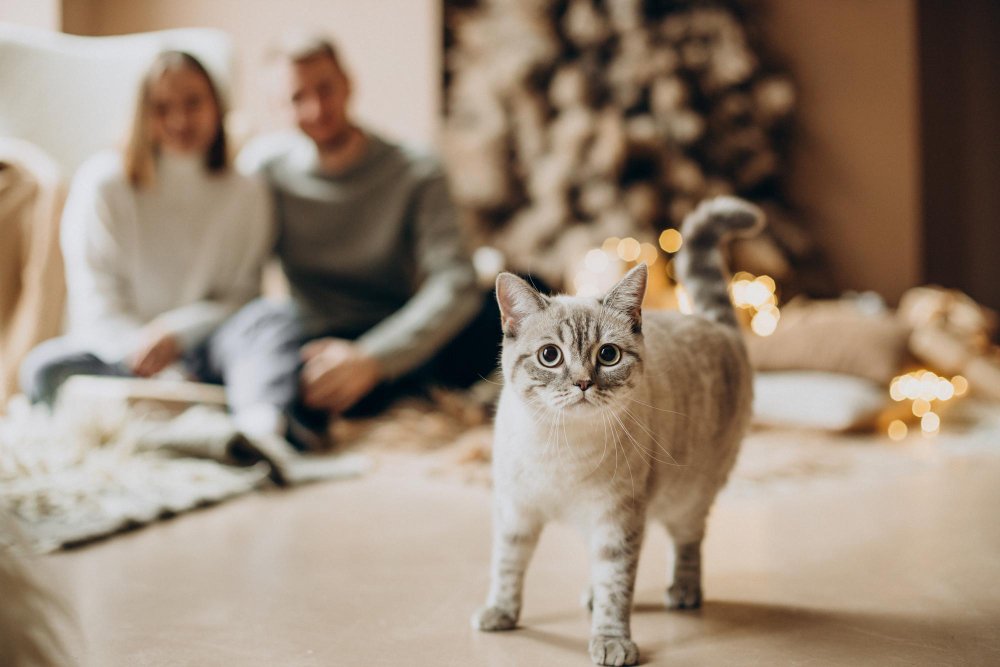
- The Battle of the Bulge: Without the need to hunt or patrol a territory, indoor cats are much more likely to struggle with obesity. This can lead to other manageable but serious issues, like diabetes or arthritis, as they age. The good news is that this challenge is easy to tackle right away—try a three-minute wand chase after each meal to get your cat moving. Bringing play directly into their routine helps keep weight gain in check and makes your cat's day a little more fun.
- Mental and Behavioral Health: Because their world is smaller, indoor cats can sometimes struggle with boredom. This might show up as furniture scratching, being a bit too vocal at night, or feeling anxious when their favorite human leaves for the day.
- Physical Systems: We sometimes see a higher rate of urinary issues or stress-related conditions in indoor cats, often because their environment feels a bit too predictable or stagnant.
Finding the Heart of the Matter
Medically, life indoors is safer because we can manage the risks. With diet, toys, and play, we trade unpredictable dangers for protection.
Safety is the foundation, but not the whole picture. In 2026, our goal as cat parents is to create a life indoors so interesting that our cats don't feel they're missing the outside world.
The Mind of the Hunter: Understanding the Psychological Needs of Your Cat
When we talk about whether a cat belongs inside or out, we are really talking about their happiness. As a veterinarian, I have spent a lot of time observing not just cats' bodies but also their spirits. We have to acknowledge that the world outside offers a certain kind of magic for a feline. It is a place where every rustle in the grass is a puzzle to solve, and every tree is a mountain to be climbed.
However, we have learned so much in recent years about how to bring that magic inside. The latest research from 2025, including some wonderful work from the University of California, Davis, School of Veterinary Medicine, has given us a very clear roadmap. Their studies found that while outdoor cats naturally engage in more "wild" behaviors, indoor cats living in enriched homes can match that level of engagement almost perfectly.
Essentially, a cat does not need to be outside to be happy; they just need a world that challenges their minds and moves their bodies.
What the Great Outdoors Offers
- The Thrill of the Hunt: Being outside allows a cat to practice their natural predatory instincts, like stalking and pouncing
- A Vertical World: Climbing real trees and exploring high territories satisfy their need to see the world from above
- Sensory Wonder: The constant change in smells, sounds, and sights provides a level of novelty hard to replicate with four static walls. Think of Whiskers the roaming hunter, darting through tall grass chasing bugs and sniffing every breeze, compared to Whiskers the puzzle-feeder champion, leaping from shelf to shelf and working out treats from clever toys inside. Their worlds are different, but each promises excitement when we pay attention to what they truly need.
- Natural Fitness: Patrolling a territory is a full-body workout that keeps muscles lean and minds sharp
The Comforts of the Indoor Sanctuary
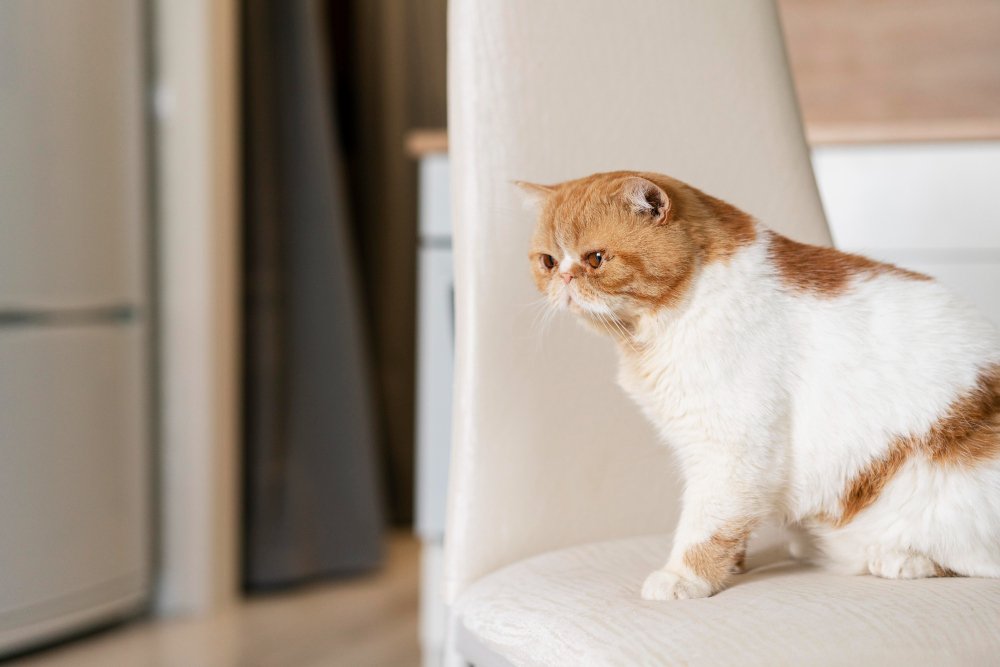
- True Peace of Mind: An indoor cat lives without the constant "high alert" stress of avoiding predators or defending a territory from rivals
- The Luxury of Consistency: Knowing exactly where the next meal is coming from and having a perfectly temperature-controlled place to nap is a profound comfort
- Deep Connection: Indoor cats often develop much stronger emotional bonds with their humans because their social world is focused on the family
The Behavioral Verdict
The science is clear: outdoor access is not required for a cat to thrive. The key is enrichment. With proper stimulation—places to climb, puzzles, and interactive play—we create a safe, adventurous life indoors.
We can give cats safety without losing adventure. The home can be as exciting as we make it. A little effort keeps a cat safe and happy.
Creating a World of Wonder: The Art of Indoor Enrichment
If we are asking our cats to trade the wide open world for the safety of our homes, we have a beautiful opportunity to become architects of their joy. I often tell people that enrichment is not just about buying a basket of toys and hoping for the best. It is about understanding a cat's natural rhythms and finding clever ways to weave those instincts into the fabric of our daily lives.
Done right, a home isn't a cage but a sanctuary for a tiny hunter. In 2026, creative options range from DIY projects to tech that keeps cats engaged, even when we're gone.
Here is how you can start building that vibrant indoor world:
Mastering the Vertical Space
Cats naturally want to be high up so they can survey their kingdom. You do not need a massive sprawling house to make this happen. A few well-placed floating shelves, a tall sturdy cat tree, or even clearing off the top of a bookshelf can give your cat a whole new perspective on their world. When a cat can walk across a room without ever touching the floor, they feel a sense of confidence and security that is deeply rooted in their DNA. Want to take the next step? Grab a pen and paper (or use your phone's camera!) and map out your living room or favorite space. Can you sketch a path where your cat goes from one end of the room to the other without ever setting foot on the floor? Challenging yourself to create this "cat superhighway" turns your good intentions into a fun blueprint for immediate change—and your cat will thank you for every vertical route you add.
The Joy of the "Food Hunt"
In the wild, a cat spends a huge portion of their day working for their dinner. We can recreate that excitement by moving away from the "all you can eat" kibble bowl. Try framing each puzzle feeder session or treat search as a "hunting shift" for your cat. By naming these mini feeding routines, you can naturally set up several small hunts throughout the day, mirroring their instinctual pattern of multiple catches. Using puzzle feeders, hiding small treats around the house, or even setting a timed dispenser for each "shift" keeps their minds sharp and their bodies moving. It turns a mundane meal into a rewarding game of strategy while building a habit both you and your cat can look forward to.
Bringing the Outside In
One of my favorite ways to enrich a cat’s life is to provide a "window to the world." A secure bird feeder placed right outside a window can provide hours of what I like to call "cat television." If you have the space, a screened-in patio or a custom "catio" lets them feel the breeze on their fur and smell the fresh air without the risks of wandering. Even a small pot of indoor cat grass can provide a sensory connection to the natural world.
The Power of Interactive Play
At the end of the day, the best enrichment for your cat is actually you. Setting aside just fifteen minutes a day for focused, interactive play with a wand toy or a laser can do wonders for their physical health and your emotional bond. It is in these moments of shared play that we truly see their personalities shine.
Creating an enriched environment is a journey of discovery for both of you. It is about watching what makes your cat’s ears perk up and what sends them zooming across the room with excitement. When we invest in their happiness this way, we aren't just keeping them busy. We are showing them that their world is full of possibilities and that they are exactly where they belong.
The Bottom Line: Understanding the Financial Side of Feline Care
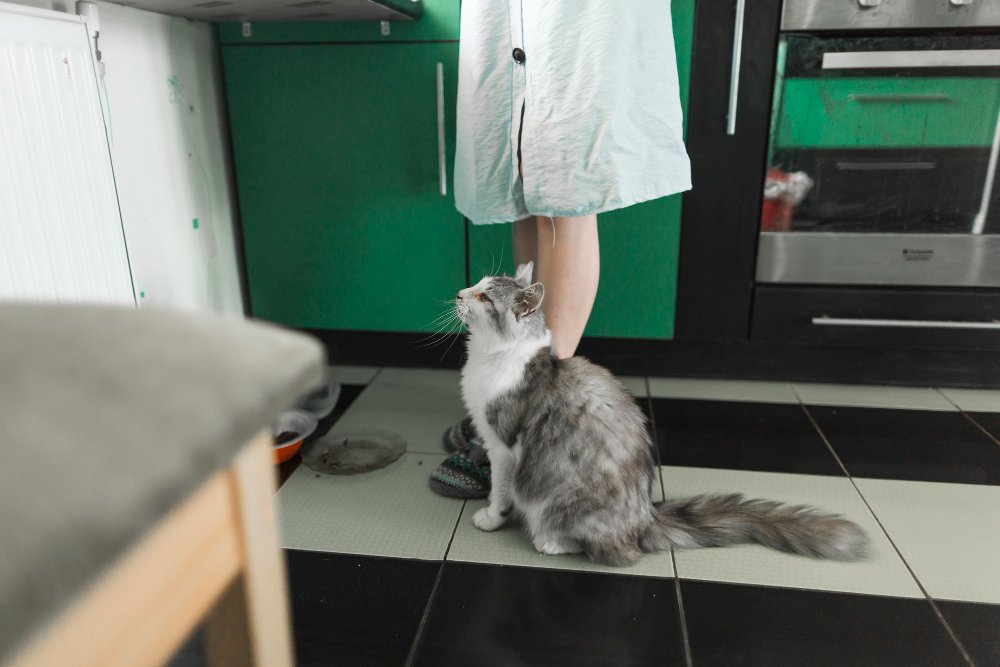
When we talk about the best life for our cats, we often focus on their safety and happiness, which is exactly how it should be. But as we move through 2026, we also have to be realistic about the financial side of being a pet parent. Whether your cat is a dedicated indoor napper or an outdoor explorer, there are costs involved, and they look quite different depending on the lifestyle you choose.
I often tell people that the biggest difference isn't just the total amount spent, but the predictability of those expenses. With an indoor cat, you are mostly looking at manageable, recurring costs. With an outdoor cat, you are often facing the possibility of sudden, high-stakes emergencies that can put a real strain on your savings.
Here is a breakdown of what the landscape looks like for the modern cat parent:
The Costs of Outdoor Life
- Higher Veterinary Maintenance: Cats that spend time outside require a more robust vaccination schedule and year-round protection against parasites such as heartworms, fleas, and ticks. In 2026, these preventatives alone can add several hundred dollars to your annual budget.
- Unpredictable Emergencies: This is where the costs can truly skyrocket. Treating a wound from a neighborhood scuffle or a more serious injury from a vehicle can quickly run into the thousands. These are the kinds of surprise bills that keep pet parents up at night.
- Higher Insurance Premiums: Because the risks are statistically much higher, insurance companies often charge more to cover a cat that roams.
The Costs of the Indoor Sanctuary
- Investment in Enrichment: If your cat stays inside, you are the one responsible for providing the fun. This means budgeting for things like sturdy climbing trees, interactive toys, and perhaps a custom catio. The good news is that these are one-time investments that provide years of joy.
- Managing Chronic Health: Indoor cats can be more prone to things like obesity or dental issues if we aren't careful. While manageable, these can lead to long-term costs for special diets or regular dental cleanings.
- Consistent Routine Care: You still have your annual wellness checks and basic vaccines, but because the environment is controlled, these visits are usually much more straightforward.
The Verdict on Your Wallet
While it might seem like keeping a cat indoors is more expensive because of the toys and scratching posts, the reality is that an indoor life is almost always more affordable in the long run. By trading the high risk of a five-thousand-dollar emergency for the steady, predictable cost of a few bags of quality food and a new feather wand, you are giving yourself financial peace of mind.
Ultimately, the goal is to spend our money where it matters most: on the health and happiness of the cats who give us so much. Whether you are buying a bag of catnip or paying for a wellness exam, every dollar spent is an investment in the beautiful bond you share.
Creating an enriched indoor environment is where we truly get to show our cats how much we love them. It is the part of the journey where we stop thinking about what they are missing outside and start focusing on the incredible world we can build for them right where they are.
As a vet, I have seen firsthand that a bored cat is often a stressed cat, but a cat with a "job" to do and a space to call their own thrives. In 2026, we have a better understanding than ever before of the specific feline instincts we need to satisfy.
Here is how we can turn your home into a true sanctuary:
Thinking Vertically: The Cat Superhighway
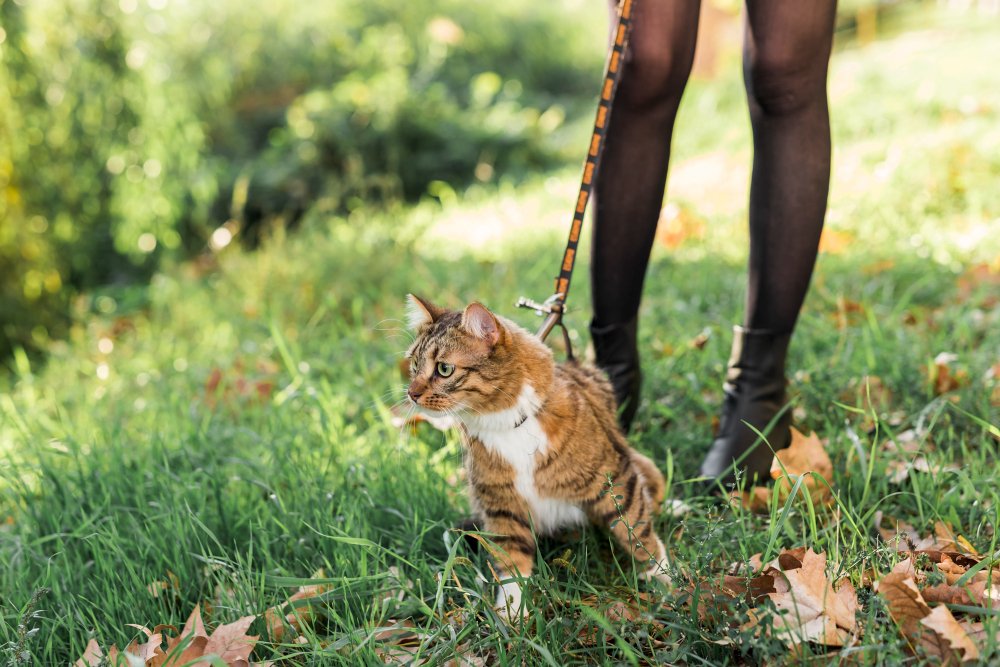
In the wild, a cat’s world is three-dimensional. They don't just walk on the ground; they climb, leap, and survey. When we only give them the floor to walk on, we are cutting out half of their living space.
- The High Ground: Installing simple floating shelves or a sturdy floor-to-ceiling cat tree allows your cat to patrol the room from above. This gives them a sense of security and confidence because they can see everything happening in their home from a safe vantage point.
- The Window Seat: Never underestimate the power of "cat television." Placing a comfortable perch or a bed near a sunny window gives them hours of visual stimulation. If you can place a bird feeder safely outside that window, you have just given them the best seat in the house.
The Hunt for Dinner: Interactive Feeding
One of the biggest mistakes we make is putting all their food in a bowl and walking away. In nature, a cat spends the majority of their waking hours hunting. When we take that away, we take away a major source of mental exercise.
- Puzzle Feeders: These are wonderful tools that require your cat to use their paws and their brain to get their kibble. It slows down their eating and keeps their mind sharp.
- The Treasure Hunt: Try hiding small portions of their dry food in different spots around the house. It encourages them to use their nose and move their body, turning a boring meal into an exciting afternoon activity.
Bringing the Senses to Life
A cat’s world is defined by what they smell and hears. We can enrich their indoor life by introducing small, safe pieces of the natural world into our homes.
- Feline Gardening: Growing a small pot of cat grass or organic catnip provides a wonderful sensory experience. They love the texture, the smell, and the taste, and it is a perfectly safe way to bring the greenery inside.
- New Scents: Occasionally, bringing in a clean log from outside or a paper bag from a different environment can give them a whole new world of smells to investigate.
The Human Element: Interactive Play
At the end of the day, the most important part of an enriched environment is the bond they share with you. No high-tech toy can replace the excitement of a shared play session.
- Mimicking Prey: Using a wand toy to mimic the movements of a bird or a mouse lets your cat complete the full predatory cycle: stalk, pounce, and "kill." This releases a tremendous amount of pent-up energy and stress.
- Predictable Fun: Setting a routine for play—perhaps ten minutes before breakfast and ten minutes before you go to bed—gives them something to look forward to every single day.
When we invest this kind of energy into their surroundings, we are doing more than just preventing boredom. We are honoring their nature. We are telling them that even though they live inside, we still respect the wild, beautiful hunter that lives within them.
The Best of Both Worlds: The Rise of the Catio
If you have ever watched your cat sit by a closed window, whiskers twitching as they watch a moth flutter by, you know they have a deep longing for the fresh air. This is where the catio comes in. It is essentially a screened-in porch or a secure outdoor enclosure designed specifically for our feline friends. In 2026, these have become a staple for responsible owners because they provide all the sensory joys of the outdoors with none of the heartbreak.
What would it feel like to open the catio door for the very first time and watch your cat step out, safe and wide-eyed, into their own patch of sunshine? Imagine the thrill in their posture, the way they lift their nose to catch a new scent on the breeze, and the joy of seeing your trust and their curiosity meet in a moment you both have been waiting for. Inviting your cat outside, knowing you have given them a safe window to the bigger world, can be an emotional milestone—one that transforms a might-be-dream into a reality you created together.
I often tell my friends that a catio is the greatest gift you can give a curious cat. It is a place where they can be a part of the world without being a victim of it.
Why a Catio Changes Everything
- Safe Sensory Input: Your cat can smell the rain, hear the birds, and feel the sun on their back while remaining behind a secure barrier that predators cannot cross, and they cannot escape
- Physical Expansion: Even a small window box catio adds square footage to your cat’s territory, giving them a new "room" to explore and enjoy
- Mental Clarity: The sheer amount of visual information in the great outdoors keeps a cat’s brain active, which often leads to a much calmer and more relaxed pet when they come back inside for the night
Finding the Right Fit for Your Home
You do not need a massive backyard or a construction crew to give your cat this experience. In 2026, there are more options than ever for every kind of living situation:
- The Window Box: For those in apartments or smaller homes, a secure enclosure that fits into a window frame is a perfect way to let the fresh air in
- The Freestanding Sanctuary: If you have a yard, a portable mesh tent or a wooden structure connected to the house by a tunnel can provide a massive playground
- The Balcony Wrap: For city dwellers, using high-quality feline netting to secure a balcony can turn a dangerous ledge into a sprawling outdoor oasis
When we provide a space like this, we are acknowledging that our cats are still connected to the earth. We are giving them the freedom to be "wild" in a way that respects the life we have promised to protect. It is the ultimate act of love, giving them the sky and the trees while keeping them safely within the reach of our arms.
Navigating Life’s Unique Chapters: Special Considerations for Every Cat
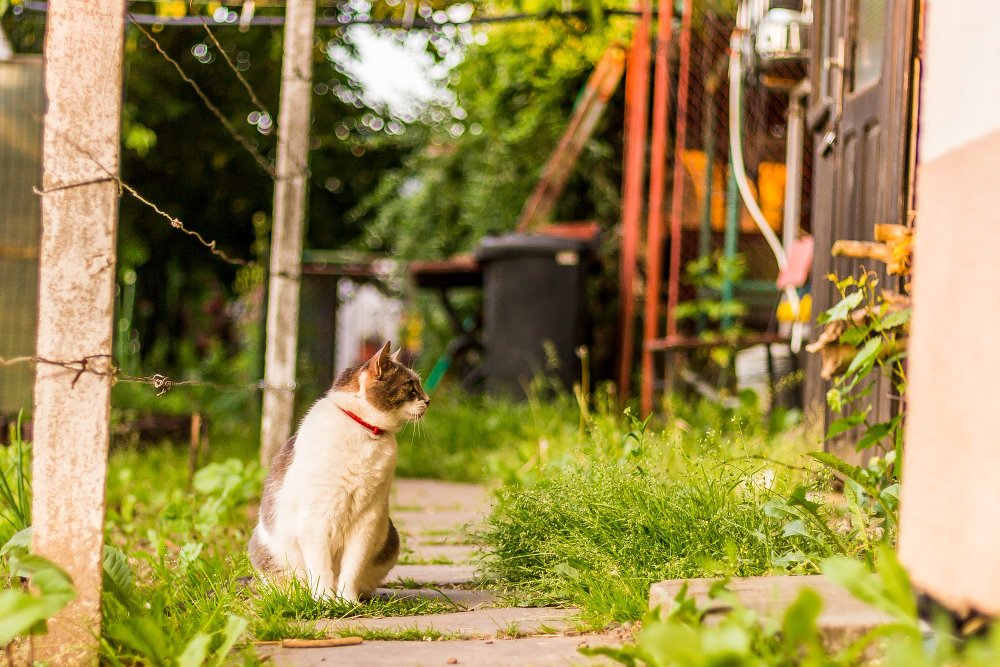
As a vet, I have seen every imaginable living situation. From tiny city apartments to sprawling rural farms, the "right" choice often depends on the specific circumstances of your home and your cat's individual needs. Whether you are managing a busy house full of multiple personalities or caring for a senior who has slowed down a bit, understanding these nuances is the key to a happy home.
Here is how we can tailor our approach to fit the life you are living right now:
The Multi-Cat Household Dynamics
When you have more than one cat, your decisions affect the whole "pride." It is often best to keep the rules consistent for everyone. If one cat wanders outside while the others stay inside, the risk of bringing home unwanted guests, such as fleas or viruses, increases for the entire family. To keep the peace indoors, I recommend the "one and a half" rule. This means having more resources than you have cats—specifically, litter boxes, food bowls, and quiet resting spots. By expanding your vertical space with shelves and trees, you create each cat's own "zone," significantly reducing stress and preventing bullying.
Adapting to Your Environment
Whether you are in a high-rise or a quiet country home, your surroundings dictate your safety strategy.
- Apartment Living: Since the outdoors usually is not an option, your focus should be on "catifying" your indoor space. Use window perches to give them a view of the world and maximize every inch of vertical space.
- Rural and Urban Realities: It is a common myth that the country is safer for cats. In reality, rural areas are home to predators like coyotes and owls, while city streets offer the constant threat of traffic. Both environments pose significant risks, making a protected indoor life the gold standard for safety.
Caring Through the Ages
A cat’s needs change as they move through the seasons of their life.
- Kittens: Starting them as indoor-only pets is the greatest gift you can give them. It prevents them from ever "expecting" to wander and keeps them safe during their most vulnerable months.
- Senior Cats: As our friends get older, their reflexes and senses begin to fade. A senior cat is at a much higher risk outdoors. Transitioning them to a quiet, predictable indoor sanctuary allows them to age with the dignity and comfort they deserve.
Special Needs and Vulnerable Souls
There are some cats for whom the outdoors is simply not an option. For cats who are blind, deaf, or living with chronic conditions like FIV, the world outside is far too dangerous. These resilient souls thrive beautifully indoors when we adapt their environment to their needs. Similarly, any cat that has been declawed—a practice that is thankfully becoming a thing of the past—is completely defenseless and must stay inside. For these special cats, our protection is quite literally their lifeline.
The 2026 Perspective: New Questions for a New Era
Do I really need a "smart" collar if my cat never leaves the house?
This is a question I hear a lot lately. While these trackers were originally designed for lost pets, the 2026 generation of wearables is all about health. Even for an indoor cat, a smart collar can act as a silent guardian, tracking their heart rate, respiratory patterns, and even how often they jump or play. These small insights are powerful because they allow us to spot tiny shifts—such as changes in movement or appetite—that might signal the early stages of health problems. With this technology, we are not just protecting the 15 to 20 years that an indoor cat typically enjoys; we are opening the door to extending those years even further, and making every extra year as healthy and vibrant as possible. It is not about tracking their location; it is about tracking their wellness, ensuring that our cats not only live longer but truly thrive in every moment we share with them.
With all the new automated feeders and fountains, can I leave my indoor cat alone for a weekend?
It is tempting to think that an AI-powered feeder and a self-cleaning litter box mean our cats are self-sufficient, but I always advise caution. While the tech is incredible at maintaining a consistent routine, it cannot replace the "human eye." A camera might show you they are eating, but it won't always catch the subtle "vibes" that tell a pet parent something is wrong. I still recommend having a friend or a professional sitter drop by at least once a day to provide that essential emotional connection and ensure the tech is working exactly as it should.
I am seeing a lot of "functional" treats and toppers in 2026. Are they worth the hype?
We are seeing a big shift toward treats that actually "do" something—like supporting joint health or calming a nervous soul. In my experience, these can be a wonderful addition to an indoor cat’s routine, especially since they can turn a simple snack into a moment of enrichment. However, always remember that these are supplements, not a replacement for a balanced diet. Think of them as the "superfoods" of the cat world; they are great for a boost, but the foundation of their health still comes from their main meals and regular checkups.
The Heart of the Choice: A New Perspective on Freedom
As we look at the landscape of feline care in 2026, I often see the conversation framed as a choice between safety and freedom. But in my experience, that is a false choice that does not give us enough credit as caretakers. The real question we should be asking is how we can provide the most vibrant and soul-satisfying life for our cats while being responsible for their well-being and the world around them.
The truth is that we now have every tool we need to create indoor worlds that are just as exciting and fulfilling as the great outdoors. Between custom catios, high-tech enrichment systems, and a deeper understanding of feline behavior, we can provide all the complexity and stimulation a cat craves without ever exposing them to the dangers that take them away from us too soon.
The data we have gathered over the years is undeniable. A cat living indoors will almost always live a longer and healthier life, provided we do our part to keep their environment interesting. While being outside is not a requirement for a cat to thrive, having a life full of puzzles, climbing spots, and play absolutely is.
If you choose to give your cat access to the outdoors, I urge you to do so with a full heart and wide-open eyes, committing to the supervision and secure containment that keep them safe. And if you choose to keep your cat inside, I want you to make an equal commitment to making their indoor world a place of constant discovery and joy.
There is no one-size-fits-all answer that works for every family, but there is a right way to approach the decision. It starts with an honest look at the risks, a deep dive into the science, and an unwavering promise to put your cat’s physical and mental health first. The only wrong choice is to do nothing and to let a cat face the world without protection or to keep them inside without giving them the tools they need to flourish.
At the end of the day, the best choice is simply the one where your cat truly thrives. Whether they are surveying their kingdom from a high shelf in your living room or smelling the morning air from the safety of a catio, your love is the compass that will lead them home.
Keep Them Curious, Keep Them Close.


Comments
No comments yet. Be the first to share your thoughts.