
Golden Retriever: Breed Profile, Temperament & Care Guide


Key Takeaways
The golden retriever is one of the most popular dog breeds in the world - and for very good reason. Friendly, intelligent, loyal, and endlessly patient, Goldens consistently rank in the top three most-owned breeds in the United States. This guide covers everything you need to know before bringing one home: history, appearance, temperament, health risks, grooming, training, diet, and the real cost of ownership.
Medically reviewed September 2026. This article is for informational purposes only and does not substitute for professional veterinary diagnosis or treatment. Always consult a licensed veterinarian for your pet's health concerns.
Quick Facts: Golden Retriever at a Glance
|
|
|
|
|
|
|
|
|
|
|
|
|
|
|
|
|
|
|
|
|
|
|
|
|
|
|
|
|
|
|
|
|
|
|
|
|
|
|
|
|
|
For a detailed month-by-month breakdown of growth milestones, see the Golden Retriever size guide.
History & Origin

The golden retriever was developed in the Scottish Highlands during the mid-1800s by Dudley Marjoribanks - better known as Lord Tweedmouth - at his Guisachan estate. His goal was practical: breed a dog capable of retrieving waterfowl across the rugged, wet terrain of the Scottish countryside.
The foundation pairing was Nous, a yellow Wavy-Coated Retriever, and Belle, a Tweed Water Spaniel - a breed now extinct. Lord Tweedmouth's meticulous stud books, preserved and later made public, document the careful selection that produced the breed's hallmark combination of soft mouth, water-resistant coat, and biddable temperament.
The breed arrived in North America in the early 1900s and was officially recognized by the American Kennel Club (AKC) in 1925, placed in the Sporting Group. Today, the golden retriever is consistently one of the top three most registered breeds in the United States, a position it has held for decades. Its popularity is no accident - the breed was engineered from the start to work closely with people, and that partnership instinct runs deep.
Appearance
The golden retriever is a large, athletic, well-balanced dog built for endurance and work. The overall impression is one of power without heaviness - a dog that looks capable of a full day in the field.
Coat: The defining feature. Goldens have a dense, water-repellent double coat: a firm outer coat and a soft, insulating undercoat. Color ranges from light cream to rich dark golden, with all shades recognized by the AKC. The coat features characteristic feathering on the chest, back of the legs, underbelly, and tail.
Head and expression: Broad skull, slightly arched, with a straight, wide muzzle. The eyes are medium-large, dark brown, and set wide apart - giving the breed its famously warm, friendly expression. Ears are short, hanging close to the cheek.
Build: Males are noticeably larger and blockier, with a more substantial head and chest. Females are slightly leaner and more refined in build, though still clearly a large-breed dog.
Gait: Smooth, powerful, and free-moving. A well-bred Golden moves with effortless reach and drive.
Temperament

If there is one word that defines the golden retriever's personality, it is friendly. Friendly with family, friendly with strangers, friendly with children, friendly with other dogs. This is not a guard dog - it is a companion dog in the deepest sense of the word.
Key personality traits:
- Eager to please: Goldens are highly motivated to make their owners happy, which makes them exceptionally easy to train and live with.
- Intelligent: Quick to learn, quick to adapt, and capable of reading human emotion with remarkable accuracy.
- Food-motivated: This works in your favor during training. Most Goldens will do almost anything for a treat.
- Gentle with children: Patient and tolerant, even with very young children. One of the most reliably child-safe large breeds.
- Highly social: Goldens are not independent dogs. They thrive on human contact and can develop separation anxiety if left alone for extended periods - typically more than 4–6 hours on a regular basis.
- Playful: The breed retains a puppy-like playfulness well into adulthood. Expect a 3-year-old Golden to still act like a puppy.
- Mouthy as puppies: Retrievers use their mouths - it is literally what they were bred to do. Puppies will chew, carry, and mouth everything. This is normal and manageable with consistent training.
- Moderate prey drive: Lower than many sporting breeds, but Goldens may still chase squirrels, rabbits, and birds.
For a deeper dive into personality by life stage and living situation, read the Golden Retriever temperament guide.
Intelligence & Trainability

The golden retriever ranks #4 on Stanley Coren's definitive dog intelligence scale, behind only the Border Collie, Poodle, and German Shepherd. In practical terms, this means most Goldens can learn a new command in fewer than five repetitions and obey a known command on the first attempt 95% of the time or better.
This intelligence, combined with a powerful desire to please, makes the golden retriever one of the most versatile working dogs in the world:
- Guide and assistance dogs - Goldens are among the most commonly placed breeds for mobility assistance and visual impairment work.
- Therapy dogs - Their calm, affectionate nature makes them ideal for hospital and school therapy programs.
- Search and rescue - Used extensively by emergency services for their tracking ability and endurance.
- Detection dogs - Trained for narcotics, explosives, and medical alert detection.
One critical note: Golden Retrievers are sensitive to tone of voice. Harsh corrections, shouting, or punishment-based training methods are counterproductive and can damage the dog's confidence. Positive reinforcement - treats, praise, play - is not just preferred; it is the most effective approach with this breed.
Exercise & Energy Requirements
The golden retriever is a high-energy sporting breed. Adults need a minimum of 60 minutes of vigorous exercise daily - and many Goldens will happily take more.
Activities Goldens excel at:
- Fetch - The breed's natural calling. Most Goldens will retrieve until you stop throwing.
- Swimming - Goldens are natural water dogs. Their water-repellent coat and webbed feet make them strong swimmers.
- Hiking and trail running - Excellent endurance dogs for longer outings.
- Agility and obedience sports - Mental and physical challenge in one.
What happens without adequate exercise:
- Destructive chewing and digging
- Excessive barking
- Hyperactivity indoors
- Weight gain (a serious health concern for the breed)
Mental stimulation matters as much as physical exercise. Puzzle feeders, nose work, training sessions, and interactive toys all help burn mental energy and prevent boredom-driven behavior problems.
Health: What Every Golden Retriever Owner Must Know
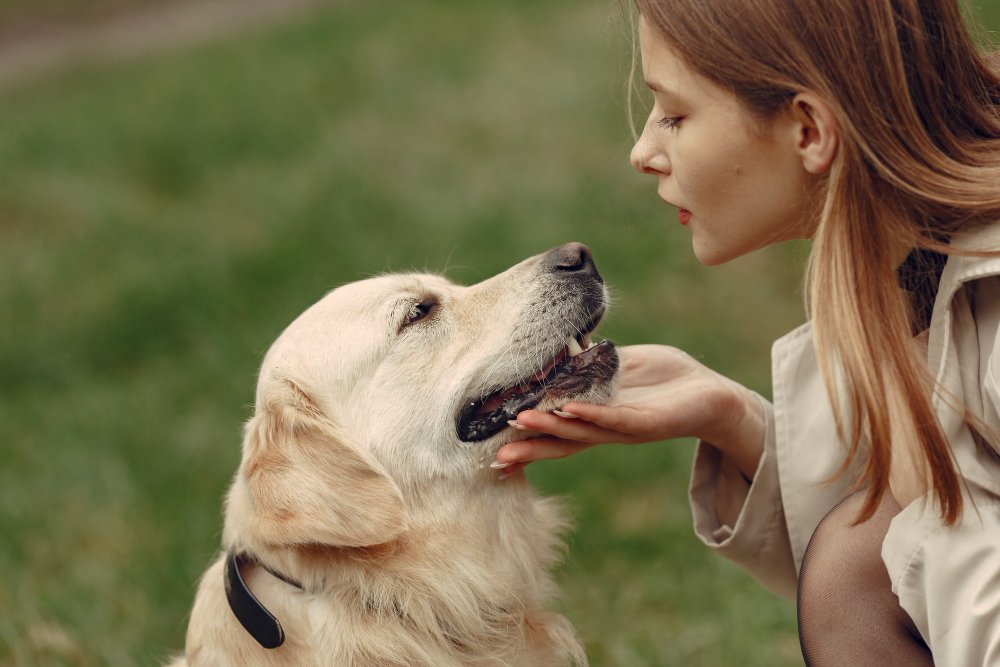
This section deserves your full attention. The golden retriever is a wonderful breed, but it carries a significant health burden that every prospective owner should understand before committing.
Cancer
Cancer is the most serious health concern for the breed. Studies estimate that approximately 60% of Golden Retrievers will develop cancer during their lifetime - one of the highest rates of any dog breed. The Morris Animal Foundation's Golden Retriever Lifetime Study, the largest-ever study of a single dog breed, is actively tracking more than 3,000 Goldens to identify cancer risk factors and improve outcomes.
The most common cancer types in Goldens:
- Hemangiosarcoma - Aggressive cancer of blood vessel walls; often affects the spleen and heart
- Lymphoma - Cancer of the lymphatic system; one of the most treatable forms
- Osteosarcoma - Bone cancer; typically affects the limbs
- Mast cell tumors - Skin-based tumors ranging from benign to highly aggressive
Annual veterinary checkups, prompt attention to lumps or unusual symptoms, and awareness of the signs are your best tools.
Hip & Elbow Dysplasia
Hip dysplasia - abnormal development of the hip joint - is common in large breeds and affects a meaningful percentage of Goldens. Elbow dysplasia follows a similar pattern in the front legs. Both conditions cause pain, reduced mobility, and arthritis over time.
What to do: When buying from a breeder, always ask for OFA (Orthopedic Foundation for Animals) or PennHIP certification for both parents. This is a non-negotiable screening requirement for responsible breeders.
Heart Disease: Subvalvular Aortic Stenosis (SAS)

SAS is a genetic heart condition in which the aortic valve is narrowed, forcing the heart to work harder. Severe cases can cause sudden death in young dogs. Responsible breeders screen breeding dogs with an echocardiogram performed by a board-certified cardiologist.
Skin Conditions
Goldens are prone to environmental and food allergies, which manifest as itching, hot spots, and recurring skin infections. Yeast infections - particularly in skin folds and ears - are also common.
Ear Infections
The breed's floppy ears trap moisture and limit airflow, creating an ideal environment for bacterial and yeast infections. Weekly ear cleaning is essential preventative care.
Eye Conditions
- Progressive Retinal Atrophy (PRA) - Gradual degeneration of the retina leading to blindness; genetic testing available
- Cataracts - Can develop in middle age; surgical treatment available
Bloat (Gastric Dilatation-Volvulus / GDV)
GDV is a life-threatening emergency in which the stomach fills with gas and twists. It can kill within hours. Know the warning signs: unproductive retching, distended abdomen, restlessness, and drooling. If you see these signs, go to an emergency vet immediately.
Hypothyroidism
Underactive thyroid is relatively common in Goldens and causes weight gain, lethargy, and coat changes. Manageable with daily medication once diagnosed.
Recommended health screenings for Golden Retriever owners:
- Annual physical exam
- Cardiac screening (echocardiogram) - especially if breeding
- OFA hip and elbow evaluation
- Annual bloodwork (thyroid panel, CBC)
- Eye certification (CAER exam)
For a complete breakdown of every health condition, prevention strategies, and when to see a vet, read the Golden Retriever health guide.
Grooming

The golden retriever's beautiful coat comes with a real maintenance commitment. This is not a low-grooming breed.
Shedding
Goldens shed year-round and heavily during seasonal coat blows in spring and fall. During peak shedding, you will find golden hair on furniture, clothing, and every surface in your home. This is simply part of life with the breed.
Brushing
- Frequency: 3–4 times per week minimum; daily during shedding season
- Tools: A slicker brush for the outer coat, an undercoat rake or deshedding tool (such as a Furminator) for the dense undercoat
- Focus areas: Behind the ears, the collar area, the chest feathering, and the hindquarters - these areas mat most easily
Bathing
Bathe every 4–6 weeks using a dog-formulated shampoo. The double coat takes time to dry thoroughly - a blow dryer on a low heat setting prevents moisture from sitting against the skin and causing hot spots.
Ears
Clean ears weekly with a veterinarian-approved ear cleaning solution. Dry thoroughly after swimming or bathing. Ear infections caught early are easy to treat; chronic infections are not.
Nails
Trim every 3–4 weeks. Overgrown nails alter gait and can cause joint stress in a large breed.
Teeth
Brush 3–4 times per week minimum. Dental disease is one of the most common - and preventable - health issues in dogs.
Professional Grooming
Optional but helpful every 6–8 weeks. A professional groomer can trim the feathering, tidy the coat, and handle the full grooming routine in one session.
For tool recommendations, seasonal tips, and step-by-step bathing instructions, see the Golden Retriever grooming guide.
Training
The golden retriever is one of the most trainable breeds in existence - but "trainable" does not mean "self-training." Consistent, early effort is still required.
Start Early
Begin training at 8 weeks old, the day your puppy comes home. Short sessions of 5–10 minutes, several times a day, are far more effective than long sessions. Puppies have short attention spans; keep it fun and end on a win.
Socialization Window
The critical socialization period runs from approximately 3 to 14 weeks. During this window, expose your puppy to as many people, dogs, sounds, surfaces, and environments as possible - in a positive, controlled way. Dogs that miss this window often develop fear-based behaviors that are much harder to address later.
Crate Training
A crate is not a punishment - it is a safe space. Crate training from day one speeds up housebreaking, prevents destructive behavior when unsupervised, and gives your dog a secure retreat.
Common Behavioral Issues
|
|
|
|
|
|
|
|
|
|
|
|
|
|
|
|
|
|
|
|
|
|
|
|
All of these issues are manageable with consistent positive reinforcement. None of them are character flaws - they are retriever traits that need direction.
For a step-by-step training program covering puppy basics through advanced obedience, read the Golden Retriever training guide.
Diet & Nutrition

Daily Feeding
Adult golden retrievers typically need 2 to 3 cups of high-quality dry kibble per day, split into two meals. Exact amounts depend on the dog's weight, age, activity level, and the caloric density of the food.
Avoid free feeding. Goldens are food-motivated to a fault - many will eat until they are uncomfortably full if given unlimited access. Obesity is a significant health risk for the breed, placing extra stress on joints and increasing cancer risk.
Life Stage Nutrition
- Puppies (8 weeks – 12 months): Feed a large-breed puppy formula. These foods have controlled calcium-to-phosphorus ratios that support healthy bone and joint development. Standard puppy food can cause too-rapid growth in large breeds, increasing the risk of orthopedic problems.
- Adults (1–7 years): High-protein, moderate-fat formula from a named meat source. Look for foods that meet AAFCO nutritional guidelines for adult maintenance.
- Seniors (7+ years): Lower-calorie formula with added joint support (glucosamine, chondroitin, omega-3s). Reduce portions as activity levels decline.
Weight Management
Run your hands along your dog's ribcage regularly. You should be able to feel the ribs without pressing hard, but not see them. A visible waist when viewed from above is a good sign. If you cannot feel the ribs or the waist has disappeared, it is time to reduce portions and increase exercise.
Cost of Owning a Golden Retriever
Acquisition Cost
- Reputable breeder: $500–$3,000, depending on pedigree, health testing, and geographic location. Health-tested lines from proven breeders often sit at the higher end - and are worth it.
- Rescue or shelter adoption: $50–$300. Golden Retriever rescues exist in most regions and are an excellent option for those open to an adult dog.
Find Golden Retriever breeders near you or browse Golden Retriever rescues in the Petzooie directory.
Annual Ongoing Costs
|
|
|
|
|
|
|
|
|
|
|
|
|
|
|
|
|
|
|
|
|
Health Emergency Costs
This is where Golden Retriever ownership can become financially significant. Cancer treatment - surgery, chemotherapy, radiation - can cost $5,000 to $20,000 or more depending on the type and stage. Hip replacement surgery runs $3,500–$7,000 per hip. Bloat surgery can exceed $5,000.
Pet insurance is strongly recommended for this breed. Insure your Golden as a puppy, before any pre-existing conditions are on record. Monthly premiums typically run $50–$100 for comprehensive coverage.
For a full breakdown of every cost category - including a breeder vs. rescue comparison and insurance options - see the Golden Retriever price guide.
Is a Golden Retriever Right for You?
A Golden Retriever is a great fit if you:
- Have an active lifestyle and can commit to 60+ minutes of daily exercise
- Have children at home - Goldens are one of the best family dogs available
- Are a first-time dog owner who wants a highly trainable, forgiving breed
- Work from home or have someone home for most of the day
- Want a dog that will be deeply bonded to the whole family
- Are prepared for grooming maintenance and shedding
A Golden Retriever may not be the right fit if you:
- Are away from home 8+ hours daily on a regular basis
- Want a guard dog or a dog that is aloof with strangers
- Have a low tolerance for dog hair on furniture, clothing, and floors
- Are on a tight budget - the health costs are real and can be significant
- Live in a small apartment with no outdoor access
Find a Golden Retriever Near You
Ready to take the next step? Use the Petzooie directory to find trusted resources in your area:
- Golden Retriever breeders near you - Browse health-tested breeders by location
- Golden Retriever rescues - Find adoptable Goldens at rescues and shelters near you
Frequently Asked Questions
How long do Golden Retrievers live?
The average golden retriever lifespan is 10 to 12 years. Some Goldens live to 13 or 14 with excellent care, while others are lost earlier to cancer or other health conditions. Choosing a puppy from health-tested parents and maintaining regular veterinary care gives your dog the best chance at a long, healthy life.
Do Golden Retrievers shed a lot?
Yes - significantly. Golden Retrievers shed year-round and go through two heavy seasonal sheds (coat blows) each spring and fall. During peak shedding, daily brushing is necessary to manage the volume of loose hair. If shedding is a dealbreaker, the Golden Retriever is not the right breed for you.
Are Golden Retrievers good for first-time dog owners?
Yes. The golden retriever is widely considered one of the best breeds for first-time owners. Their eagerness to please, high trainability, and forgiving temperament make them responsive to even inexperienced handlers. The main challenges - exercise needs, grooming, and separation anxiety - are manageable with preparation and commitment.
How much exercise does a Golden Retriever need?
Adult Golden Retrievers need a minimum of 60 minutes of vigorous exercise per day. This can be split across two sessions - a morning walk or run and an afternoon fetch or swim session. Mental stimulation through training, puzzle toys, and nose work should supplement physical exercise. Puppies need shorter, more frequent play sessions to protect developing joints.
Are Golden Retrievers good with cats?
Generally, yes - especially when introduced properly and raised together. Goldens have a moderate prey drive, which means a cat that runs may trigger a chase response. However, most Goldens adapt well to living with cats when introductions are done gradually and the cat has safe spaces to retreat. Adult Goldens with no prior cat exposure may need more careful management during the introduction period.
What is the most common cause of death in Golden Retrievers?
Cancer is the leading cause of death in golden retrievers, accounting for an estimated 60% of deaths in the breed. Hemangiosarcoma and lymphoma are among the most frequently diagnosed types. This is significantly higher than the general dog population, which is why the Morris Animal Foundation launched the Golden Retriever Lifetime Study - the largest single-breed health study ever conducted - to identify risk factors and improve survival rates.
This article was written to reflect current veterinary guidelines as of September 2026. All medical content is intended for informational use only and does not constitute a diagnosis or treatment recommendation. For any health concern affecting your pet, please consult a licensed veterinarian.
Explore more pet care guidance at Petzooie - your trusted resource for pet owners.


Comments
No comments yet. Be the first to share your thoughts.