
24-Hour Emergency Vet vs. Regular Vet Clinic: When to Go Where


How to decide whether your pet needs immediate emergency care or a routine appointment.
When a pet suddenly becomes ill or injured, deciding where to go can be stressful. Should you call your regular veterinarian, wait for an appointment, or drive directly to a 24-hour emergency vet?
The right choice depends on the severity, speed, and potential danger of the problem.
A regular veterinary clinic is usually appropriate for routine care, non-urgent illnesses, chronic-condition management, and preventive services. A 24-hour emergency vet is designed for situations that may threaten your pet’s life, cause rapid deterioration, or require immediate monitoring, diagnostics, or treatment.
When in doubt, call a veterinary professional. The American Veterinary Medical Association advises pet owners to seek immediate consultation for emergencies such as breathing difficulty, severe bleeding, seizures, poisoning, inability to urinate, heatstroke, unconsciousness, and severe vomiting or diarrhea.
Important: If your pet is struggling to breathe, unconscious, collapsing, severely bleeding, actively seizing, or suspected of poisoning, contact the nearest emergency veterinary hospital immediately. Do not wait for a routine appointment.
What Is a Regular Vet Clinic?
A regular veterinary clinic, also called a primary-care or general-practice clinic, manages your pet’s ongoing health needs.
These clinics are usually the best choice for preventive care and problems that are uncomfortable but not immediately life-threatening.
Common services include:
- Wellness examinations.
- Vaccinations.
- Parasite prevention.
- Microchipping.
- Nutrition and weight-management advice.
- Spaying and neutering.
- Dental evaluations and routine dental care.
- Skin, ear, and minor eye problems.
- Mild digestive issues.
- Routine blood tests.
- Chronic-condition monitoring.
- Follow-up appointments.
- Medication refills.
Your regular veterinarian knows your pet’s medical history, previous test results, medications, allergies, and long-term conditions. That continuity can make routine care more efficient and personalized.
What Is a 24-Hour Emergency Vet?
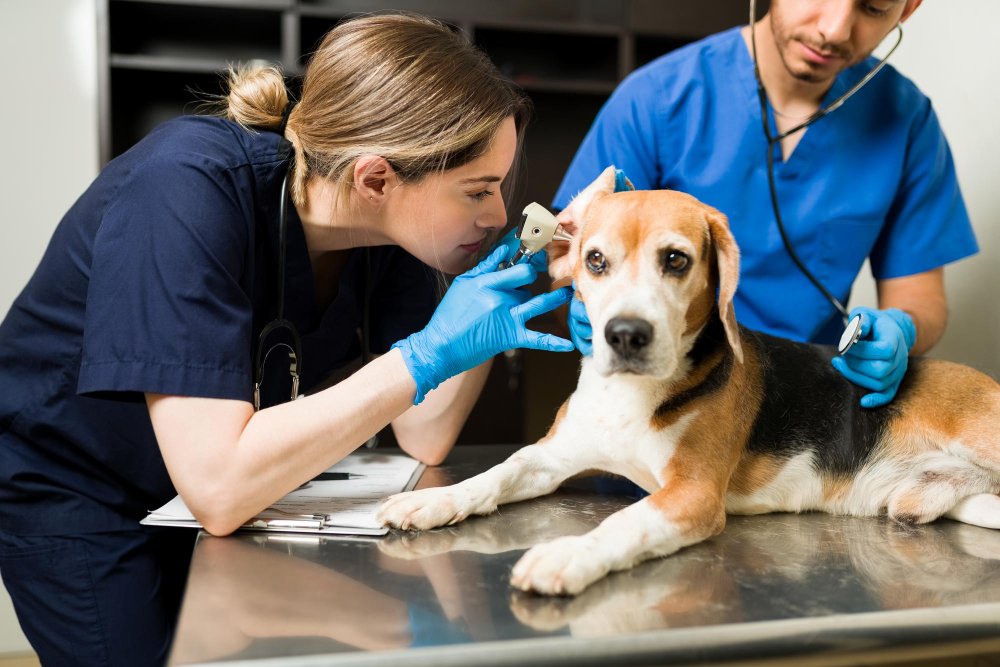
A 24-hour emergency veterinary hospital provides urgent care outside normal clinic hours and often accepts patients without a scheduled appointment.
Emergency hospitals are equipped to triage animals quickly and treat serious conditions that cannot safely wait.
Depending on the facility, services may include:
- Emergency examination and stabilization.
- Oxygen therapy.
- Intravenous fluids.
- Emergency surgery.
- Blood testing and imaging.
- Pain management.
- Treatment for poisoning.
- Wound and trauma care.
- Seizure management.
- Hospitalization and monitoring.
- Critical-care support.
Emergency hospitals generally prioritize patients according to medical urgency. A pet with severe breathing difficulty may be treated before an animal with a less serious but earlier-arriving problem.
Go to a 24-Hour Emergency Vet Immediately
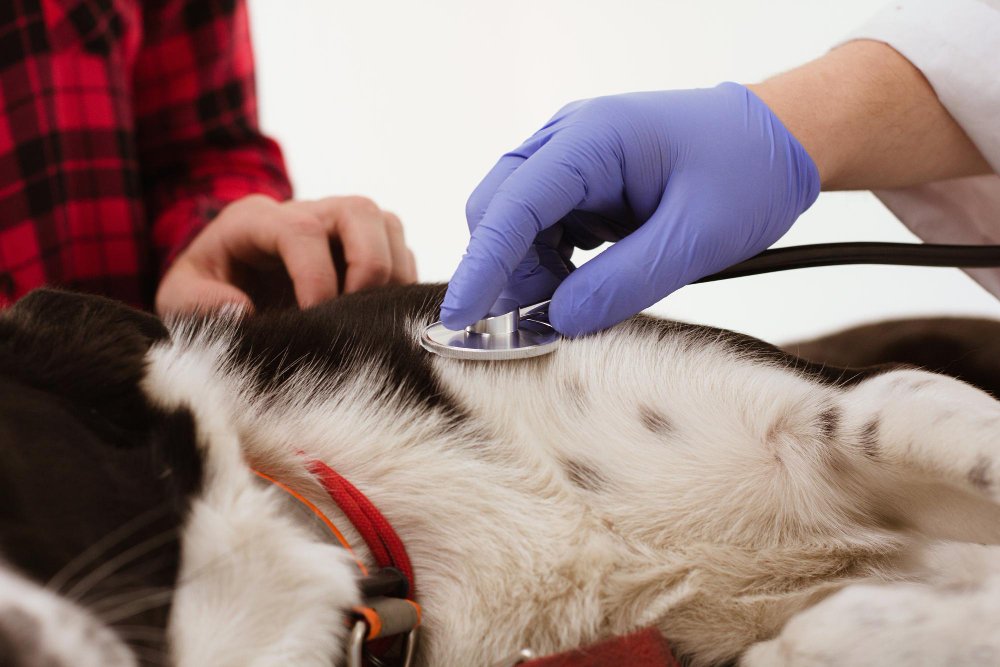
Some symptoms should be treated as emergencies because delay can make the condition more dangerous.
Difficulty breathing
Seek emergency care if your pet is gasping, breathing with significant effort, stretching the neck to breathe, making unusual respiratory sounds, or showing blue, gray, or very pale gums.
Respiratory distress can worsen quickly. AAHA identifies sustained breathing trouble as an emergency requiring immediate veterinary attention.
Collapse or unconsciousness
Go immediately if your pet collapses, cannot stand, becomes unresponsive, or suddenly loses the ability to walk.
Even if your pet appears to recover, collapse may be linked to a serious cardiovascular, neurological, metabolic, or internal problem.
Severe bleeding
Bleeding that is heavy, continuous, or does not stop after several minutes of firm pressure requires urgent care. Bleeding from the mouth, nose, rectum, or urinary tract also warrants prompt veterinary assessment.
Use a clean cloth or gauze to apply gentle, steady pressure while arranging transportation. Do not delay emergency care to repeatedly inspect the wound.
Seizures
An active seizure, repeated seizures, or failure to return to normal awareness after a seizure requires emergency assessment.
Keep your pet away from stairs, furniture, and hard objects. Do not put your fingers or any object in the mouth. Record the approximate duration if it is safe to do so, and call the emergency hospital for instructions.
Suspected poisoning
Contact an emergency veterinarian immediately if your pet may have swallowed medication, rodent poison, antifreeze, chemicals, toxic plants, chocolate, xylitol, or another harmful substance.
Do not induce vomiting unless a veterinary professional specifically tells you to do so. Bring the product packaging or a photograph of the label if available.
Major trauma
Emergency care is appropriate after a vehicle accident, serious fall, animal attack, crush injury, or penetrating wound—even if the external injury appears small.
Internal bleeding, fractures, shock, and organ damage may not be obvious at first.
Severe pain
Signs of severe pain may include persistent crying, shaking, guarding a body part, inability to settle, sudden aggression when touched, a hunched posture, or refusal to move.
Sudden, intense pain should not be managed at home with human medication. Many common human pain relievers can be dangerous to pets.
Bloated or painful abdomen
A suddenly swollen, firm, or painful abdomen can signal a life-threatening condition, particularly in large or deep-chested dogs.
Other warning signs may include repeated unproductive retching, restlessness, drooling, weakness, or collapse. Go to an emergency hospital rather than waiting for a regular appointment.
Inability to urinate
Straining without producing urine is an emergency, especially in male cats. A urinary blockage can become life-threatening and requires immediate treatment.
Heatstroke
Excessive panting, drooling, weakness, confusion, vomiting, collapse, or a very high body temperature after heat exposure require urgent veterinary care.
Move your pet to a cooler area and contact an emergency hospital while arranging transportation. Avoid extreme cooling methods unless directed by a professional.
Call Your Regular Vet Clinic First
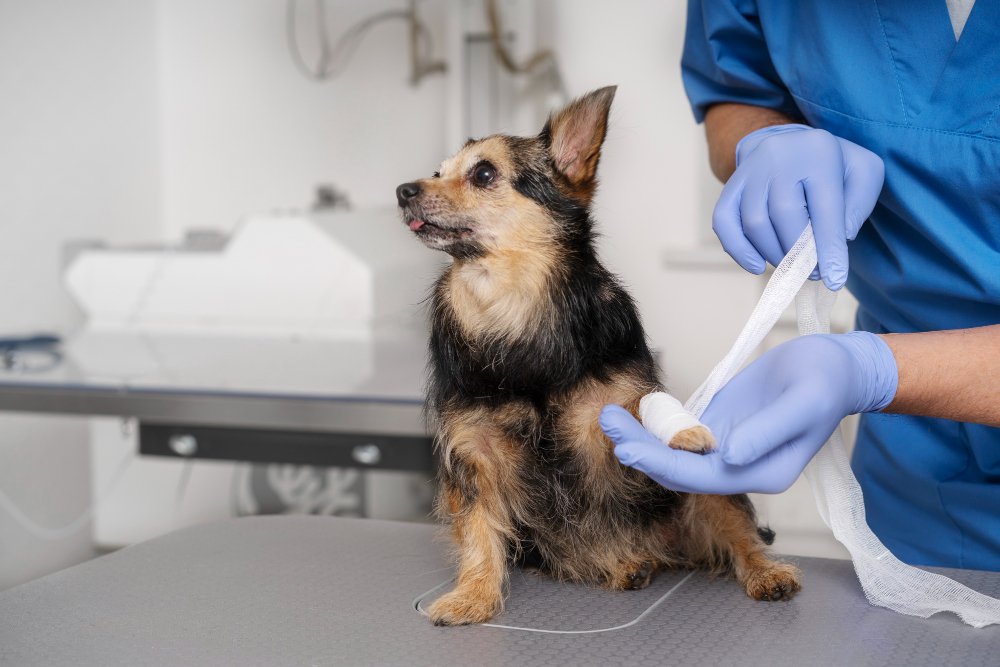
A regular appointment is usually appropriate when your pet is stable, alert, and breathing normally but has a problem that needs professional evaluation.
Examples include:
- Mild itching or a small skin irritation.
- A non-urgent ear problem.
- Gradual weight gain or loss.
- Mild limping without severe pain.
- Occasional vomiting in an otherwise normal pet.
- A minor change in appetite.
- Routine diarrhea without blood or weakness.
- Dental odor or tartar concerns.
- A stable chronic condition.
- Routine medication or vaccination needs.
- A small lump that has not changed suddenly.
Your veterinarian may recommend an earlier appointment, provide home-care guidance, or redirect you to an emergency facility if the symptoms become more serious.
VCA Canada’s triage guidance similarly separates stable chronic disease, limping, skin conditions, and mild eye or ear concerns from urgent problems such as poisoning, collapse, heatstroke, difficulty breathing, excessive bleeding, and inability to urinate.
When the Situation Is Unclear
Some symptoms fall between routine care and emergency treatment. In these situations, call your regular veterinarian or an emergency hospital and describe exactly what you observe.
Mention:
- Your pet’s species, age, and approximate weight.
- The main symptom.
- When it started.
- Whether it is improving or worsening.
- Any vomiting, diarrhea, bleeding, collapse, or breathing changes.
- Possible exposure to toxins.
- Current medications and known medical conditions.
A veterinary team can help determine whether your pet should be seen immediately, evaluated the same day, or scheduled for a routine visit.
Do not rely only on whether your pet is still eating or walking. Animals often hide illness, and a serious condition can exist even when symptoms appear subtle.
Regular Vet vs. Emergency Vet
|
Situation |
Regular vet clinic |
24-hour emergency vet |
|
Routine vaccinations |
Appropriate |
Usually unnecessary |
|
Annual wellness examination |
Appropriate |
Usually unnecessary |
|
Mild, stable skin irritation |
Appropriate |
Usually unnecessary |
|
Gradual weight change |
Appropriate |
Usually unnecessary |
|
Severe breathing difficulty |
Not appropriate to wait |
Go immediately |
|
Uncontrolled bleeding |
Not appropriate to wait |
Go immediately |
|
Suspected poisoning |
Not appropriate to wait |
Go immediately |
|
Seizure or repeated seizures |
Not appropriate to wait |
Go immediately |
|
Inability to urinate |
Not appropriate to wait |
Go immediately |
|
Major trauma |
Not appropriate to wait |
Go immediately |
|
Mild, isolated digestive upset |
Call for guidance |
Use if severe or worsening |
|
Chronic condition suddenly worsening |
Call immediately |
May be required |
This table is a general guide, not a diagnosis. When your pet’s condition is changing quickly or you are unsure about the level of risk, contact a veterinary professional.
What to Do Before Leaving for the Vet
Call ahead when possible
Calling allows the veterinary team to prepare for your arrival and advise you about immediate steps. If your pet is in severe respiratory distress, unconscious, or actively bleeding, do not delay travel while making multiple calls.
Keep your pet calm
Reduce noise, handling, and movement. A frightened or painful animal may bite even if it is normally gentle.
Transport safely
Use a carrier, crate, box, or flat support suitable for your pet’s size and condition. Cats should generally be transported in a secure carrier. Dogs may need a leash, blanket, or stretcher depending on the injury.
Avoid twisting the neck or spine if trauma is suspected.
Bring useful information
Take medication containers, toxin packaging, medical records if readily available, and a list of current medications. If your pet vomited or may have eaten something unusual, a sample or photograph may help the veterinary team.
Do not give human medication
Do not give painkillers, anti-inflammatory drugs, sedatives, or other medication unless a veterinarian specifically instructs you to do so.
How to Prepare Before an Emergency Happens
A small amount of preparation can save valuable time.
Keep these details accessible:
- Your regular veterinarian’s phone number.
- The nearest 24-hour emergency veterinary hospital.
- Directions and parking information.
- Your pet’s medical records.
- Current medication details.
- Known allergies and chronic conditions.
- A carrier, leash, blanket, and basic first-aid supplies.
Ask your regular veterinary clinic how it handles after-hours calls. Some clinics provide an answering service, while others refer clients to a specific emergency hospital.
You can also save the emergency hospital’s number in your phone before you need it.
Frequently Asked Questions
Is a 24-hour emergency vet more expensive?
Emergency hospitals may charge more because they provide round-the-clock staffing, urgent diagnostics, critical care, and specialized equipment. Ask about the examination fee and payment policies when you call.
Do not delay life-saving care solely because you are worried about cost. You can ask the hospital about available treatment options and an estimate after your pet is stabilized.
Can I wait until morning?
Only a veterinary professional can safely advise you based on your pet’s symptoms. Waiting may be unsafe when there is breathing difficulty, collapse, poisoning, severe pain, seizures, heavy bleeding, or inability to urinate.
Should I go to the emergency vet for vomiting?
A single episode in an otherwise bright and comfortable pet may not require emergency care. Repeated vomiting, blood, weakness, abdominal pain, dehydration, suspected toxin exposure, or worsening symptoms require prompt veterinary advice. AAHA recommends prompt care for multiple episodes in a short period, particularly when other concerning signs are present.
What if my pet seems normal after an emergency symptom?
Improvement does not always mean the danger has passed. Some conditions can temporarily appear better before worsening. Contact a veterinarian and explain what happened.
Final Thoughts
The simplest rule is this: use a regular vet clinic for routine and stable concerns, and use a 24-hour emergency vet when your pet may be in immediate danger or could deteriorate quickly.
Breathing difficulty, collapse, severe bleeding, seizures, poisoning, major trauma, severe pain, heatstroke, bloating, and inability to urinate should be treated as urgent warning signs.
If you are uncertain, call a veterinary professional and describe the symptoms clearly. Acting early can make diagnosis, treatment, and recovery safer for your pet.


Comments
No comments yet. Be the first to share your thoughts.