
Golden Retriever Grooming Guide: How to Keep That Coat Healthy Year-Round


Medically reviewed September 2026. This article is for informational purposes only and does not substitute for professional veterinary diagnosis or treatment. Always consult a licensed veterinarian for your pet's health concerns.
Golden retriever grooming is one of the most rewarding - and most demanding - parts of owning this breed. That flowing, golden coat doesn't stay beautiful on its own. It requires a consistent routine, the right tools, and a genuine commitment from you as an owner. This guide covers everything: brushing, bathing, ear cleaning, nail trimming, teeth care, and when to hand things over to a professional.
Key Takeaways
|
|
|
|
|
|
|
|
|
|
|
|
|
|
|
|
|
|
|
|
|
Understanding the Golden Retriever Double Coat
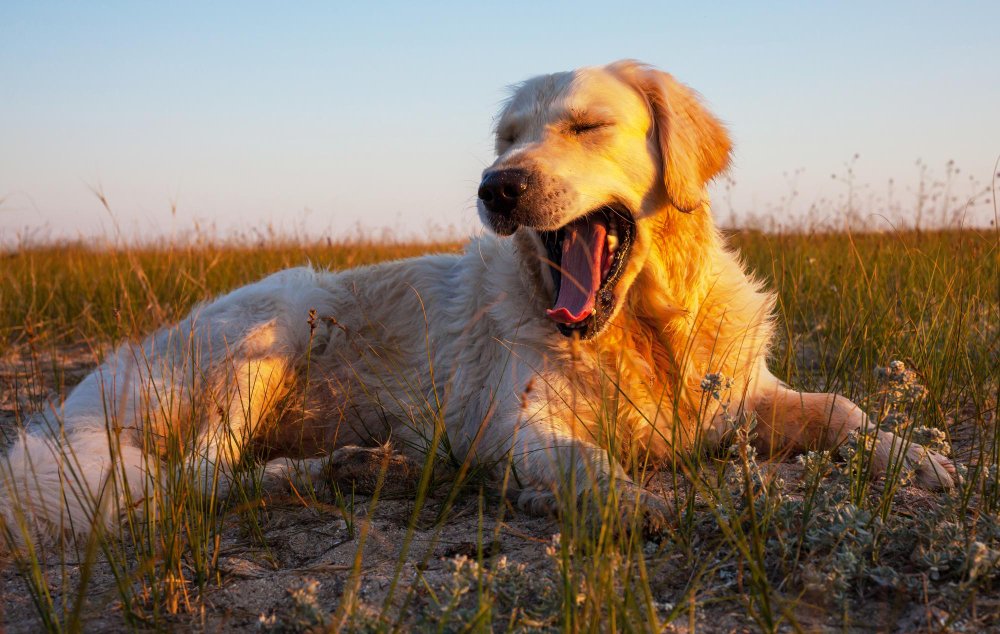
The Golden Retriever's coat is a double coat - two distinct layers working together. The dense, waterproof undercoat sits close to the skin and regulates body temperature in both heat and cold. The longer outer coat (called the topcoat or guard coat) repels water, dirt, and debris, acting like a jacket that protects the dog in the field.
This architecture is why Goldens shed so much. Dead undercoat builds up continuously and pushes outward. Twice a year - typically in spring and fall - the dog goes through a heavy seasonal blowout, releasing enormous amounts of undercoat over two to four weeks.
Never shave a Golden Retriever. This is one of the most important rules in the breed. Shaving destroys the natural layering of the double coat, eliminates the insulating and protective properties of both layers, and does not reduce shedding long-term. It can also cause coat funk syndrome (also called post-clipping alopecia), where the coat grows back patchy, altered in texture, or fails to grow back normally at all. The Golden Retriever Club of America explicitly states the body coat should show no clippering or barbering.
Brushing - The Most Important Grooming Task
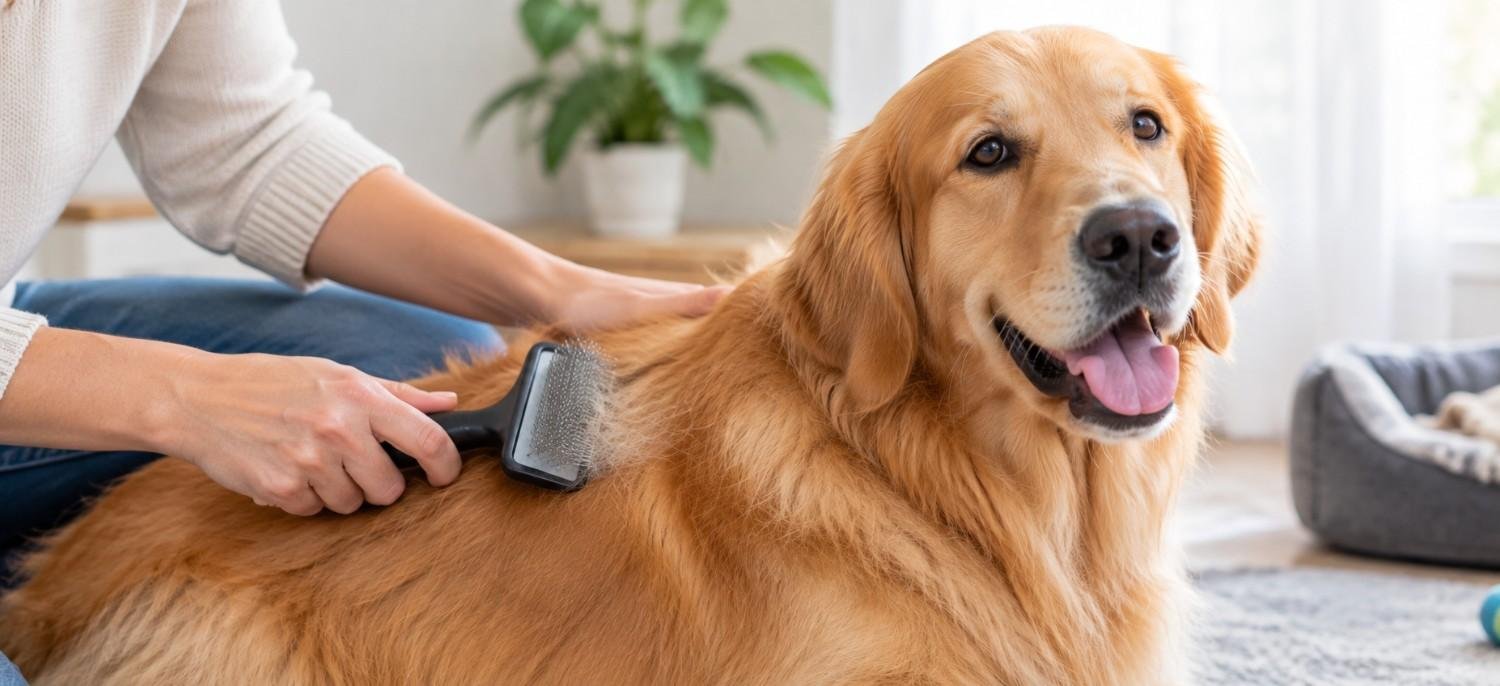
Brushing is the foundation of golden retriever grooming. It removes dead hair before it lands on your furniture, prevents painful mats, and keeps the coat and skin healthy.
Frequency: Brush a minimum of 3–4 times per week. During the seasonal blowout, brush daily - there's simply no way around it.
The Right Tools
- Slicker brush - Your everyday workhorse. Use it for general detangling and surface coat maintenance.
- Undercoat rake - Reaches through the topcoat to pull out loose, dead undercoat. Essential for regular maintenance.
- Deshedding tool (e.g., Furminator) - Highly effective during blowout season. Use sparingly - no more than once a week - as overuse can damage the topcoat.
- Metal comb with medium-to-wide teeth - Use on feathering behind the ears, chest, legs, and tail.
Step-by-Step Brushing Technique
- Start at the rear of the dog and work forward, section by section.
- Back-brush first - brush against the direction of hair growth with the slicker brush to loosen dead undercoat and surface debris.
- Then brush in the direction the coat grows to lay it flat.
- Use the undercoat rake through the body coat to pull out loose undercoat.
- Switch to the metal comb for feathering on the ears, legs, chest, and tail.
- Pay special attention to mat-prone areas: behind the ears, under the armpits, around the collar area, and where the legs meet the body.
Mat Removal Tips
- Spray a detangler or coat conditioner on the mat before attempting to work through it.
- Work from the ends of the mat inward, never from the root outward.
- Use your fingers first, then a comb, to gently tease the mat apart.
- Never pull or yank - this is painful and can tear the skin.
- For severe mats, a professional groomer is the safer option.
Bathing Your Golden Retriever
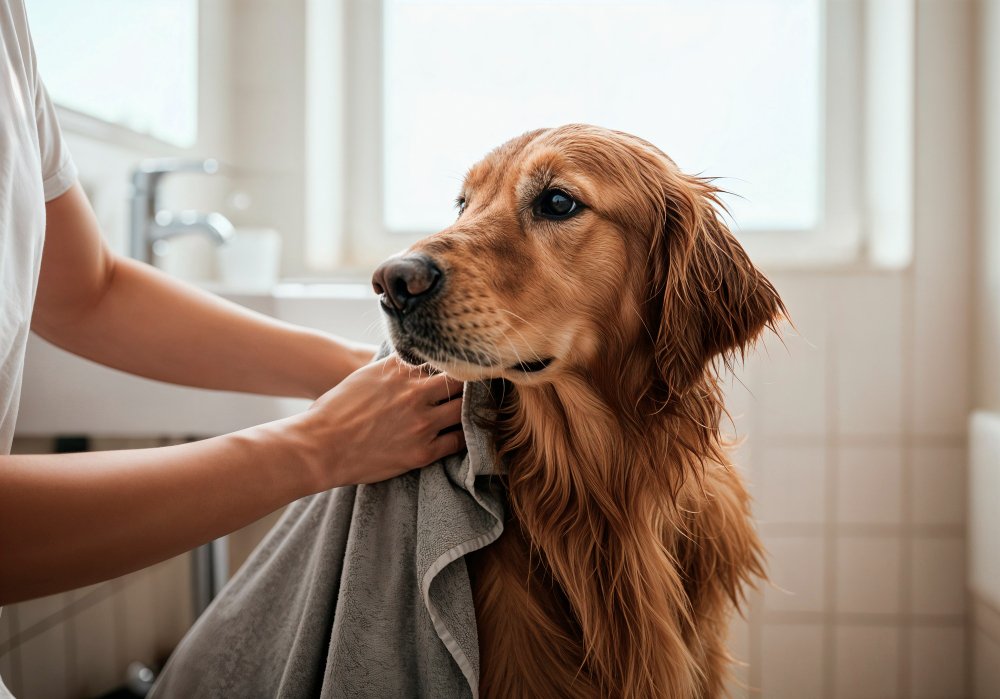
Frequency: Every 4–6 weeks for most dogs. If your Golden swims frequently or rolls in something unpleasant, bathe sooner - but avoid bathing more than every 2 weeks, as it strips the coat's natural oils.
Shampoo: Always use a dog-specific shampoo. Goldens are prone to skin allergies and sensitive skin, so a moisturizing or oatmeal-based formula is a smart choice. Never use human shampoo - the pH is wrong for a dog's skin.
Bathing Technique
- Brush thoroughly before bathing - never bathe a matted coat.
- Wet the dog completely, all the way down to the skin. The double coat takes significantly longer to saturate than a single-coated breed - don't rush this step.
- Apply shampoo and lather thoroughly, working it into the undercoat.
- Rinse twice. The Golden's double coat holds shampoo deep in the undercoat. Leftover shampoo causes skin irritation, itching, and hot spots.
- Apply conditioner if desired, then rinse again completely.
Drying
Towel dry as thoroughly as possible first. Then use a blow dryer on a low-heat setting, working against the direction of hair growth to lift and dry the undercoat. A dedicated canine dryer (which runs cooler than a human dryer) is ideal.
Never air-dry a double coat. Leaving the undercoat damp causes a persistent mildew smell, and more importantly, creates the warm, moist conditions that lead to hot spots (acute moist dermatitis) - a painful and common skin condition in Goldens.
Ear Cleaning - Weekly Without Exception
Golden Retrievers are one of the breeds most prone to ear infections, and the reason is structural. Their floppy ears reduce airflow into the ear canal, trapping moisture and heat - the perfect environment for yeast and bacteria to thrive. Dogs that swim are at even higher risk.
Clean your Golden's ears weekly, every week, without skipping.
What you need:
- A veterinarian-approved dog ear cleaner
- Cotton balls (never cotton swabs - they push debris deeper and risk damaging the ear canal)
Step-by-Step Ear Cleaning
- Apply the ear cleaner generously into the ear canal.
- Fold the ear flap down and massage the base of the ear for 30 seconds - you should hear a squelching sound as the cleaner loosens debris.
- Step back and let your dog shake their head.
- Wipe the outer ear canal and the inside of the ear flap with a cotton ball. Repeat until the cotton comes away clean.
Warning Signs of an Ear Infection
See your vet immediately if you notice:
- Foul or yeasty odor from the ear
- Dark or yellow discharge
- Persistent head shaking or tilting
- Scratching or pawing at the ears
- Redness or swelling inside the ear flap
Ear infections do not resolve on their own. Early treatment prevents them from becoming chronic.
Nail Trimming
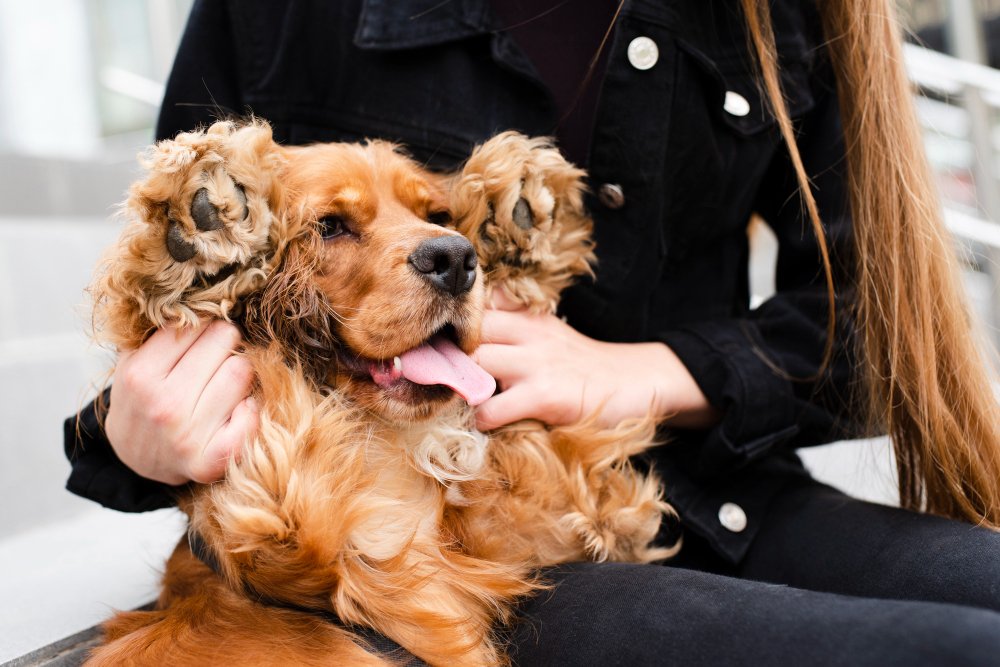
Frequency: Every 3–4 weeks. A simple test: if you can hear your dog's nails clicking on a hard floor, they're already too long.
Overgrown nails change the way a dog bears weight on their feet, which over time can cause joint discomfort and altered gait.
Tools:
- Guillotine clippers or scissor-style clippers for larger nails
- Nail grinder (Dremel) - many dogs tolerate this better than clippers, and it smooths the nail edge
Understanding the Quick
The quick is the blood vessel and nerve that runs through the center of each nail. Cutting into it is painful and causes bleeding. On light-colored nails, the quick is visible as a pink line. On dark nails, trim small amounts at a time and look for a dark center dot - that's the edge of the quick.
If you cut the quick, apply styptic powder to stop the bleeding. Keep some on hand every time you trim nails.
Teeth Brushing
Frequency: Daily is ideal. A minimum of 3–4 times per week will meaningfully reduce tartar buildup and the risk of periodontal disease.
Always use dog-specific toothpaste. Human toothpaste contains xylitol, which is toxic to dogs, as well as fluoride, which should not be swallowed. Dog toothpastes come in flavors dogs enjoy (poultry, beef, peanut butter), which makes the process easier.
Dental chews are a useful supplement - they help reduce plaque mechanically - but they do not replace brushing. Think of them as the equivalent of chewing gum, not a toothbrush.
Ask your vet about professional dental cleaning under anesthesia. Most dogs benefit from one annually, though your vet will advise based on your dog's individual needs.
Professional Grooming - When and How Often
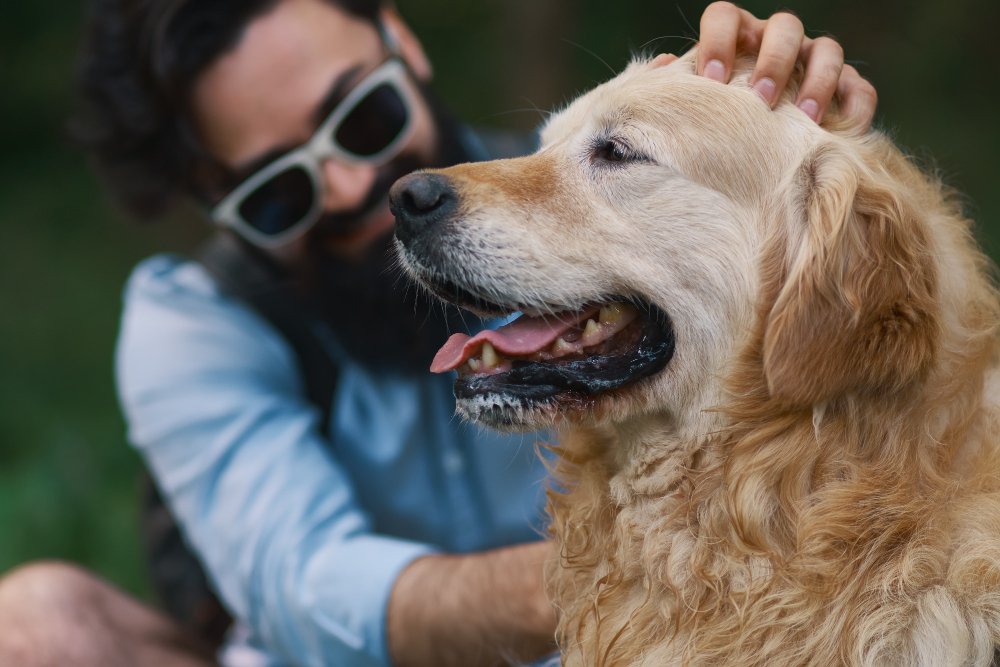
Even committed at-home groomers benefit from professional sessions. A professional groom every 8–12 weeks is the standard recommendation for Golden Retrievers.
What a Professional Groom Includes
- Full bath and blow-dry
- Complete brush-out, including undercoat removal
- Trimming of feathering on ears, legs, paws, and tail
- Nail trim
- Ear cleaning
Cost
Professional grooming for a Golden Retriever typically runs $60–$120, depending on your location, the groomer's experience, and the condition of the coat. A dog that hasn't been brushed regularly will take significantly longer and may cost more.
How to Find a Good Groomer
- Ask specifically about their experience with double-coated breeds.
- Look for groomers who understand that Goldens should not be shaved - any groomer who suggests a full shave without a documented medical reason is a red flag.
- Ask for a tour of the facility before booking.
- Local pet directories and breed-specific Facebook groups are reliable sources for groomer recommendations in your area.
Managing Shedding at Home
Shedding is year-round. There is no grooming routine that eliminates it - only one that manages it. If you're not prepared to live with some dog hair, a Golden Retriever may not be the right breed for you.
Practical tools for managing shedding:
- Pet-hair vacuum - Invest in a quality model designed for pet hair. The Dyson Animal, Shark, and Bissell Pet Hair Eraser are consistently well-reviewed.
- Lint rollers - Keep several around the house and one in your car.
- HEPA air purifier - Reduces airborne dander, which matters especially for allergy-prone household members.
- Washable furniture covers - Protect sofas and chairs with covers you can throw in the wash weekly.
Consistent brushing is still the single most effective shedding management tool. Every clump of undercoat you remove with a brush is one that doesn't end up on your couch.
Seasonal Grooming - The Blowout
Twice a year - typically in spring and fall - your Golden will shed their undercoat in a heavy, concentrated blowout lasting two to four weeks. You'll know it's happening when clumps of undercoat come out in handfuls during brushing, and loose fur appears to float off the dog with minimal effort.
During a blowout:
- Brush daily without exception.
- Consider booking a professional deshedding treatment - a high-velocity blow-out session at a groomer can remove enormous amounts of undercoat in one visit and dramatically shorten the blowout period.
- Increase vacuuming frequency at home.
The blowout is temporary. Staying consistent through it means less mess and a healthier coat once it's done.
Veterinary Perspective
Veterinary Perspective: As a veterinarian, I want owners to understand that the coat is a diagnostic window into your dog's overall health. Changes in coat quality - dullness, brittleness, excessive shedding outside of the normal blowout season, persistent flaking, or the development of hot spots - are frequently early signs of underlying medical conditions. In Golden Retrievers specifically, I see these changes associated with hypothyroidism, environmental and food allergies, and nutritional deficiencies. When you're grooming your dog regularly, you're in the best possible position to notice these changes early. If a grooming session reveals new lumps, areas of skin irritation, persistent odor despite cleaning, or coat changes that don't resolve with the season, don't wait - book a veterinary appointment. The same applies to recurring ear infections: they are rarely just bad luck, and often point to an underlying allergy that needs to be addressed. Regular grooming isn't just cosmetic - it's one of the most effective health monitoring tools you have as an owner.
Petzooie's Take
Petzooie's Take: The grooming commitment that comes with a Golden Retriever is real, significant, and non-negotiable. Owners who underestimate it end up with matted, uncomfortable dogs and an expensive professional grooming bill to fix what consistent brushing would have prevented. That said, the double coat is genuinely worth it - it's part of what makes this breed so beautiful and so functional. But only if you're ready to commit to the brushing schedule, week in and week out, blowout season and all.
Frequently Asked Questions
How often should you groom a Golden Retriever?
Golden retriever grooming is an ongoing routine, not a one-off event. Brush 3–4 times per week at minimum (daily during shedding season), clean ears weekly, trim nails every 3–4 weeks, bathe every 4–6 weeks, and book a professional groomer every 8–12 weeks. Teeth should be brushed at least 3–4 times per week.
Should you shave a Golden Retriever in summer?
No - never shave a Golden Retriever. The double coat actually helps regulate body temperature in both heat and cold. Shaving removes this protection, exposes the skin to sunburn, and does not reduce shedding long-term. It can also permanently alter the coat's texture through a condition called post-clipping alopecia. Keep the coat brushed and well-maintained instead.
How do I stop my Golden Retriever from shedding so much?
You can't stop shedding, but you can manage it effectively. Brush consistently (3–4 times per week, daily during blowouts), use an undercoat rake to remove dead undercoat before it falls out, bathe regularly, and invest in a good pet-hair vacuum. A professional deshedding treatment during the seasonal blowout can also make a significant difference.
Can I groom my Golden Retriever at home?
Yes - most of the routine maintenance can be done at home with the right tools: a slicker brush, undercoat rake, metal comb, nail clippers or grinder, dog ear cleaner, and dog toothpaste. Many owners handle all regular grooming themselves and visit a professional every 8–12 weeks for a full bath, blow-dry, and trim. Start handling your dog's paws, ears, and mouth early so they accept grooming calmly.
How much does it cost to groom a Golden Retriever professionally?
A professional grooming session for a Golden Retriever typically costs $60–$120, depending on your location and the condition of the coat. Dogs with significant matting or those who haven't been groomed recently may cost more due to the additional time required. Regular at-home maintenance between appointments helps keep professional grooming costs predictable.
Useful Sources
- American Kennel Club - How to Groom a Golden Retriever
- Golden Retriever Club of America - Grooming Your Golden (Joanne Lastoka)
- GRCA - Letter to Judges Regarding Correct Coat and Grooming Practices
- Cornell University College of Veterinary Medicine - Itchy Ear Problems in Dogs
- AKC - How to Groom a Double-Coated Dog


Comments
No comments yet. Be the first to share your thoughts.