
Low-Cost Vet Clinics: How to Find Affordable Pet Care Near You


Practical ways to reduce veterinary costs, compare affordable clinics, find financial assistance, and get your pet the care it needs.
Veterinary care can become expensive quickly, especially when your pet needs diagnostics, surgery, dental treatment, or ongoing medication. The good news is that affordable options may be available through nonprofit clinics, humane societies, veterinary schools, community programs, payment plans, and local veterinary practices.
Finding low-cost pet care is not only about locating the cheapest appointment. You also need to confirm that the clinic offers the service your pet needs, understand the total cost, check whether it handles emergencies, and make sure treatment will not be delayed when your pet is seriously ill.
Important: If your pet is struggling to breathe, collapsing, severely bleeding, having repeated seizures, or may have been poisoned, contact an emergency veterinary hospital immediately. Do not delay urgent care while searching for the lowest price.
What “Low-Cost Vet” Usually Means
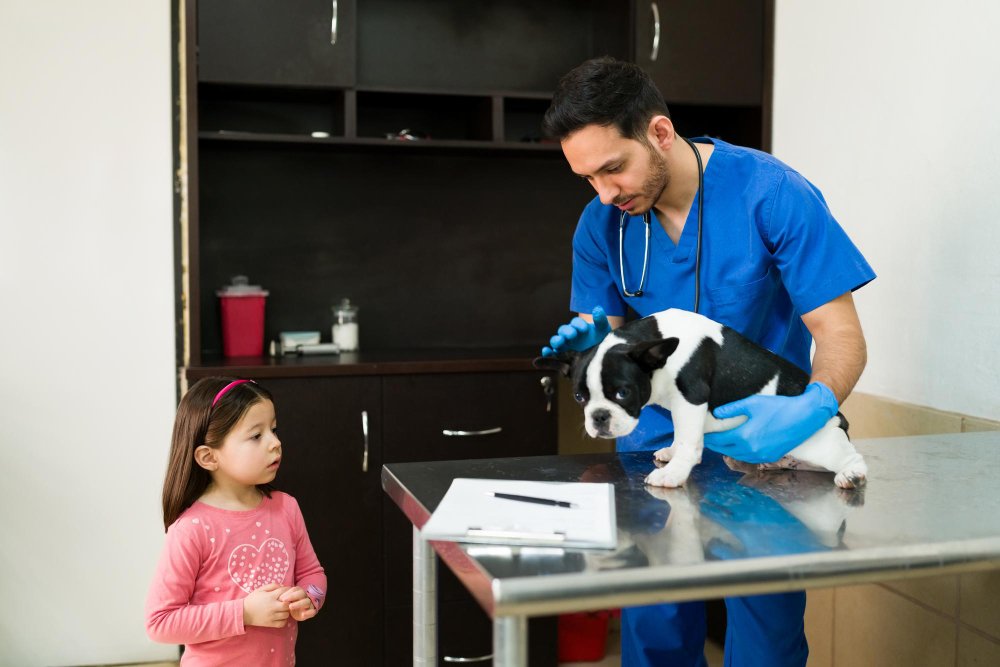
A low-cost veterinary clinic may reduce expenses by focusing on preventive care, using nonprofit funding, offering community appointments, limiting overhead, or providing selected services rather than every type of specialty treatment.
Affordable clinics may offer:
- Vaccinations.
- Wellness examinations.
- Spaying and neutering.
- Microchipping.
- Parasite prevention.
- Basic blood testing.
- Minor treatments.
- Dental evaluations.
- Basic dental procedures.
- Medication consultations.
- Community vaccination events.
- Limited urgent-care services.
Not every low-cost clinic provides full-service medical care. Some focus only on vaccinations and sterilization, while others offer broader veterinary services.
Before making an appointment, ask:
- Do you treat dogs, cats, or other species?
- Do you accept new clients?
- Is an appointment required?
- Do you provide emergency care?
- Are diagnostic tests available on-site?
- Do you perform surgery?
- Can you treat chronic conditions?
- What payment methods are accepted?
- Are income qualifications required?
- What is included in the examination fee?
A lower consultation price may not represent the final cost if your pet needs testing, medication, imaging, anesthesia, or follow-up care.
How to Find Affordable Pet Care
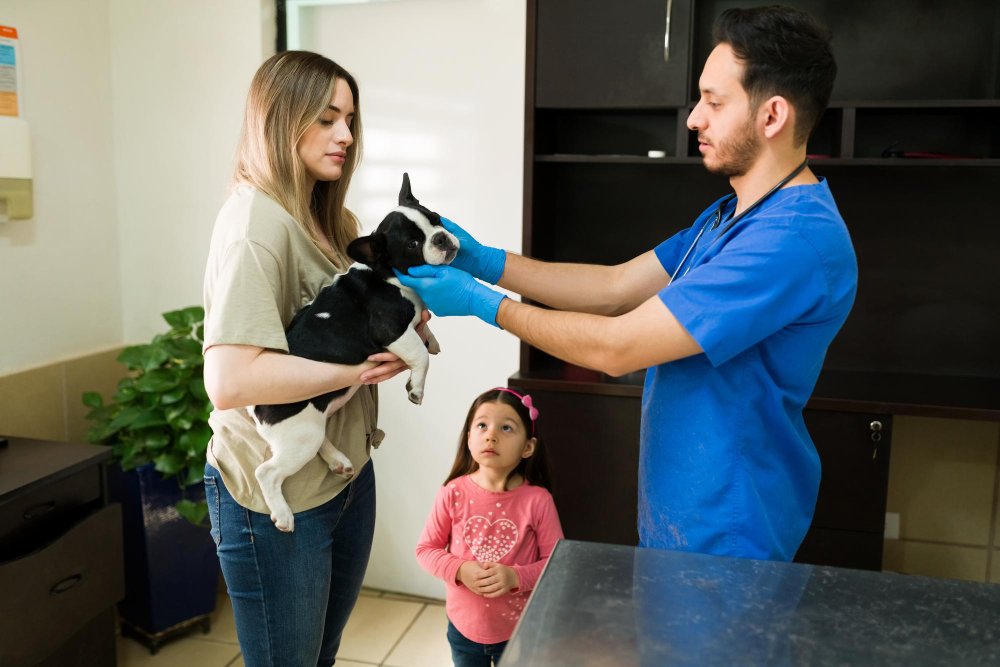
Search local nonprofit clinics
Begin with organizations in your area that may operate or refer to affordable veterinary services.
Useful places to contact include:
- Humane societies.
- SPCA organizations.
- Animal shelters.
- Rescue groups.
- Community animal-welfare organizations.
- Municipal animal services.
- Local pet-food banks.
- Community centers.
- Veterinary teaching hospitals.
Humane World for Animals recommends using Pet Help Finder to search for financially friendly veterinary services by location. It also suggests contacting local animal shelters and checking state or regional assistance programs.
Search online using phrases such as:
- “Low-cost vet clinic near me.”
- “Affordable pet vaccinations near me.”
- “Nonprofit veterinary clinic [your city].”
- “Low-cost spay and neuter [your area].”
- “Emergency pet financial assistance [your region].”
- “Veterinary teaching hospital [your city].”
- “Humane society veterinary services [your area].”
Always confirm information directly. Clinic hours, eligibility rules, services, and funding can change.
Ask your regular veterinarian
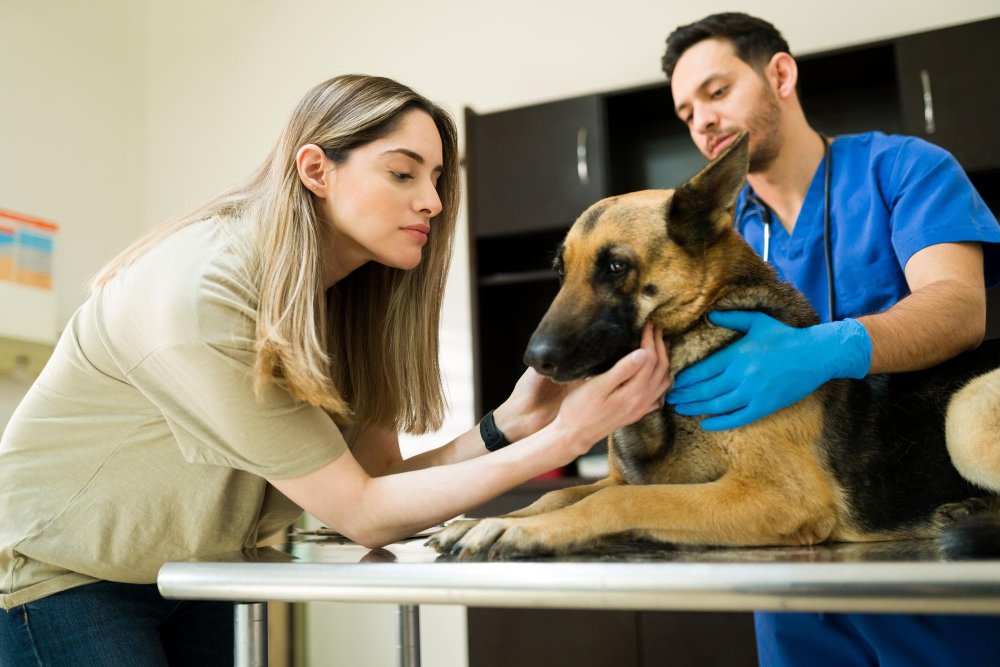
Your current veterinarian may know about:
- Lower-cost clinics.
- Veterinary charities.
- Local specialists.
- Payment arrangements.
- Community vaccination events.
- Rescue organizations.
- Teaching hospitals.
- Alternative treatment plans.
Be open about your budget before treatment begins. Many veterinarians can explain which services are essential immediately, which can wait, and whether there are medically reasonable options at different price points.
The goal is not to pressure the clinic into unsafe treatment. It is to create a realistic plan that prioritizes your pet’s most important needs.
Contact animal shelters and rescue groups
Local shelters and rescue organizations may offer low-cost vaccination clinics, spay-and-neuter programs, microchipping, or referrals to affordable providers.
Some programs are limited to:
- Residents of a particular area.
- People below a specific income threshold.
- Senior citizens.
- Veterans.
- People experiencing homelessness.
- Adopted animals.
- Certain breeds or species.
- Specific procedures.
Ask whether funding is available before assuming you qualify.
Check veterinary teaching hospitals

Veterinary schools may provide supervised services through teaching hospitals or community programs. These facilities can sometimes offer general, specialty, or referral care, depending on the institution.
Appointments may take longer because students are involved under professional supervision, and not every teaching hospital provides low-cost treatment for every condition.
Search for:
- “Veterinary teaching hospital near me.”
- “University veterinary clinic [your region].”
- “Veterinary school community clinic [your city].”
Ask about wait times, eligibility, deposits, emergency availability, and the services offered.
Use community referral services
In the United States, dialing 211 may connect people with local assistance programs, although availability varies by location. You can explain that you need help paying for veterinary care and ask about local referrals.
In other countries, equivalent services may include municipal helplines, social-service agencies, animal-welfare charities, or local government information lines.
Compare Clinics Before Booking
Finding an affordable clinic is only the first step. Compare the provider’s services, total cost, and ability to meet your pet’s needs.
Ask for a written estimate
Request an estimate that separates:
- Examination fee.
- Diagnostic tests.
- Imaging.
- Medication.
- Anesthesia.
- Surgery.
- Hospitalization.
- Follow-up visits.
- Additional supplies.
- Taxes or service charges.
Ask whether the estimate includes a low-to-high range. Medical care can change when test results reveal a more serious problem.
Confirm what is included
A low advertised consultation fee may not include:
- Bloodwork.
- Fecal testing.
- Urinalysis.
- X-rays.
- Ultrasound.
- Sedation.
- Medication.
- Nail trimming.
- Follow-up care.
Ask the clinic to explain what the initial price covers.
Check credentials and supervision
Affordable does not mean unqualified. Confirm that veterinary care is provided by licensed professionals and that assistants or students work under appropriate supervision.
You can ask:
- Who will examine my pet?
- Are the veterinarians licensed?
- Who performs anesthesia?
- Is monitoring provided during surgery?
- What happens if complications occur?
- Is a veterinarian available after the procedure?
Understand follow-up arrangements
Find out where you should go if your pet develops a complication after treatment.
Ask:
- Is follow-up included?
- Is there an after-hours number?
- Does the clinic provide emergency care?
- Will you need to return to another hospital?
- Are additional visits charged separately?
A low-cost procedure may become more expensive if aftercare is unclear.
Financial Assistance Options

Veterinary payment plans
Some veterinary clinics work with outside financing providers or offer payment-over-time arrangements. The availability and approval requirements vary.
AAHA describes several approaches used by veterinary practices, including third-party financing, clinic-based payment plans, and charitable funds.
Before accepting financing, review:
- Interest rate.
- Application requirements.
- Promotional-period conditions.
- Late fees.
- Minimum payments.
- Total repayment amount.
- Whether approval is guaranteed.
- Whether the clinic receives payment directly.
Borrow only what you can reasonably repay.
Charitable veterinary funds
Some charities help with emergency, chronic, specialty, or condition-specific care. Assistance may depend on income, prognosis, location, diagnosis, and available funding.
The AVMA maintains information about organizations that may help pet owners facing veterinary costs, although the AVMA does not endorse every program or guarantee assistance.
Apply as early as possible. Many programs require:
- A veterinary diagnosis.
- A written treatment estimate.
- Proof of income or financial hardship.
- Proof of ownership.
- An application before treatment.
- A statement from the treating veterinarian.
Some programs do not reimburse expenses that have already been paid.
Veterinary charitable programs
The American Veterinary Medical Foundation’s REACH program supports participating AVMA-member veterinarians who provide eligible care to clients experiencing financial hardship. The program states that grants are not available directly to individual pet owners, so owners should ask their veterinarian whether the clinic participates or can apply.
This distinction matters. A program may help fund treatment through the veterinary practice rather than sending money directly to the pet owner.
Pet insurance
Pet insurance generally works best when purchased before a major illness or injury occurs. Many policies exclude pre-existing conditions and may require you to pay the veterinarian first before reimbursement.
Before purchasing a policy, review:
- Waiting periods.
- Deductible.
- Reimbursement percentage.
- Annual or lifetime limits.
- Exclusions.
- Breed-specific restrictions.
- Coverage for hereditary conditions.
- Wellness coverage.
- Pre-existing-condition rules.
Insurance is not an immediate solution for a bill you already have, but it may help manage future unexpected costs.
Preventive-care plans
Some veterinary clinics offer wellness plans that spread routine-care expenses across monthly payments.
These plans may include services such as examinations, vaccinations, parasite prevention, or screening tests. They may not cover emergencies, surgery, chronic illness, or specialist care.
Compare the annual cost with the value of the included services before enrolling.
Ways to Reduce Veterinary Costs Safely

Address problems early
A small medical problem may be easier and less expensive to treat than an advanced one. Contact a veterinary clinic when you notice a persistent change in appetite, weight, energy, breathing, urination, stool, or behavior.
Ask which tests are essential
Do not decline important diagnostics automatically, but ask your veterinarian:
- What question will this test answer?
- Will the result change treatment?
- Is this needed today?
- Is there a less expensive alternative?
- What happens if we wait?
This helps you make an informed decision without removing necessary care.
Request generic medications
Ask whether a safe, appropriate generic medication is available. Never substitute a human medication without veterinary approval, because some common human drugs are dangerous to animals.
Compare pharmacy prices
For long-term medications, compare the price through:
- Your veterinary clinic.
- A licensed pet pharmacy.
- A local pharmacy, if the veterinarian confirms it is appropriate.
- An online pharmacy that follows applicable prescription requirements.
Verify the product, dosage, concentration, and source before ordering.
Maintain preventive care
Vaccinations, parasite prevention, dental care, weight management, and regular checkups may reduce the risk of expensive preventable illness.
AAHA’s pet-cost guidance also emphasizes budgeting and preventive strategies as ways to manage veterinary expenses over a pet’s lifetime.
Build a pet-care fund
Even a small automatic contribution can help create an emergency reserve.
Set a realistic monthly amount and keep it separate from everyday spending. If you have multiple pets, consider their ages, species, and known medical conditions when setting a target.
Questions to Ask a Low-Cost Clinic
Use this checklist when calling:
- Are you accepting new patients?
- What species do you treat?
- What services do you provide?
- Do you offer appointments or walk-ins?
- Is the clinic equipped for emergencies?
- What is the examination fee?
- Are tests and medications included?
- Do you offer income-based pricing?
- Is proof of income required?
- Do you accept payment plans?
- Are deposits required?
- Who performs procedures and anesthesia?
- What follow-up care is included?
- Is there an after-hours contact?
- How soon can my pet be seen?
Write down the answers. When you are worried about your pet, it can be difficult to remember details from several phone calls.
What to Bring to the Appointment
Bring:
- Previous medical records.
- Vaccination history.
- Medication list.
- Allergy information.
- Insurance details.
- Photos or videos of symptoms.
- A written timeline of changes.
- A fresh stool sample if requested.
- A list of your questions.
- Payment or financial-assistance documents.
Be honest about your budget. Veterinary teams can make better recommendations when they understand your financial limits before the treatment plan is finalized.
Avoid Unsafe “Cheap” Alternatives
Be cautious about:
- Unlicensed people offering medical treatment.
- Online advice promising a diagnosis.
- Unverified medications.
- Counterfeit or diverted drugs.
- Home remedies for serious illness.
- Delaying urgent care to save money.
- Feeding leftover human medication.
- Choosing a clinic solely because it has the lowest advertised fee.
Affordable care should still include appropriate examination, diagnosis, informed consent, safe treatment, and follow-up.
A clinic that cannot provide the service your pet needs may refer you elsewhere. That does not necessarily mean it is poor quality; it may simply have a narrower scope.
Build an Affordable-Care Plan Before a Crisis

The best time to research low-cost veterinary options is before your pet becomes seriously ill.
Create a simple plan:
- Save your regular veterinarian’s number.
- Identify the nearest emergency hospital.
- Search for nonprofit clinics.
- Contact your local shelter or humane society.
- Learn about financial-assistance programs.
- Review your pet-insurance options.
- Set aside an emergency fund.
- Keep medical records organized.
- Ask about payment policies at your regular clinic.
Preparing in advance gives you more choices when time and emotions are limited.
Final Thoughts
Low-cost vet clinics can make essential pet care more accessible, but affordability should be evaluated alongside quality, services, safety, and follow-up support.
Start by contacting local nonprofit clinics, humane societies, shelters, veterinary schools, and your regular veterinarian. Ask for a clear estimate, confirm what is included, and explore financial assistance before treatment whenever possible.
If your pet has a life-threatening symptom, seek urgent care first and discuss financial options with the veterinary team. For routine needs, planning ahead, comparing providers, using preventive care, and building an emergency fund can reduce both stress and long-term costs.
Affordable veterinary care is not about choosing the cheapest option in every situation. It is about finding appropriate care that protects your pet’s health and fits your financial reality
Frequently Asked Questions
What is a low-cost veterinary clinic?
A low-cost veterinary clinic provides selected pet-care services at reduced prices. Services may include vaccinations, wellness examinations, spaying and neutering, microchipping, parasite prevention, basic diagnostics, and minor treatments. Services, eligibility rules, and fees vary by clinic.
How can I find an affordable vet near me?
Search for nonprofit veterinary clinics, humane societies, SPCA organizations, animal shelters, veterinary teaching hospitals, and community pet-care programs in your area. In the United States, Pet Help Finder allows users to search for financially friendly veterinary services by location.
You can also ask your regular veterinarian, local shelter, or animal-rescue organization for referrals.
Are low-cost vet clinics safe?
A lower price does not automatically mean lower-quality care. Before booking, confirm that licensed veterinary professionals provide or supervise treatment, ask what services are included, and check whether follow-up care is available.
What services do low-cost vet clinics offer?
Many affordable clinics focus on preventive and basic care, such as:
-
Vaccinations.
-
Wellness examinations.
-
Spaying and neutering.
-
Microchipping.
-
Parasite prevention.
-
Basic testing.
-
Minor medical treatments.
-
Some dental services.
Not every low-cost clinic provides emergency treatment, advanced imaging, hospitalization, or specialist surgery. Ask about available services before making an appointment.
Do low-cost clinics require proof of income?
Some programs are open to everyone, while others require proof of financial hardship, residency, age, disability, veteran status, or participation in a qualifying assistance program.
Ask about eligibility when you call. Required documents may include identification, proof of address, income information, adoption records, or a veterinary estimate.
Can a low-cost vet treat an emergency?
Some affordable clinics provide limited urgent care, but many do not operate as emergency hospitals. If your pet is struggling to breathe, collapsing, severely bleeding, having repeated seizures, or may have been poisoned, contact an emergency veterinary hospital immediately instead of waiting for a low-cost appointment.


Comments
No comments yet. Be the first to share your thoughts.