
How to Transition Your Dog to a New Food Without Causing Stomach Upset


Here's the mistake that sends more dogs to the vet with diarrhea than almost any other feeding decision: swapping the food bowl overnight. New bag, new bowl, same day — and by the next morning, you're googling "why is my dog's poop soft" at 6 a.m. The problem usually isn't the new food itself. It's the speed of the switch.
The core principle behind every successful food transition is simple: your dog's digestive system isn't a light switch, it's a slow-adjusting ecosystem. Respect that timeline, and stomach upset is almost entirely preventable.
The "Why": What's Actually Happening in Your Dog's Gut
Gut bacteria are food-specific, not universal. Your dog's intestines host a complex community of bacteria that specialize in breaking down whatever they've been consistently eating. A sudden switch — even to a "better" or higher-quality food — doesn't give that bacterial population time to adjust. The result is undigested food sitting in the gut longer than it should, which is the direct mechanical cause of diarrhea, gas, and loose stool.
Different proteins and fibers require different enzymes. If you're moving from, say, a chicken-and-rice formula to a lamb-and-sweet-potato formula, your dog's body needs time to ramp up production of the specific enzymes suited to those new ingredients. This adjustment happens gradually, not instantly — which is exactly why gradual mixing works and cold-turkey switching doesn't.
Stress and gut health are directly linked. The gut has its own nervous system (often called the "second brain"), and it's highly sensitive to disruption — including the physical disruption of a sudden diet change. This is part of why even minor stressors (travel, boarding, a new food) can trigger GI symptoms in dogs who are otherwise perfectly healthy.
The Common Mistake: Blaming the New Food Itself
When a dog gets an upset stomach after a food switch, owners often assume the new food "doesn't agree" with their dog and abandon it entirely — sometimes after just one bad day. In most cases, the food isn't the problem; the transition speed is. Restarting the same food with a proper gradual mix-in often resolves the issue without needing to hunt for an entirely different formula.
The Action Plan: A Step-by-Step Transition Timeline
Standard 7–10 Day Transition (Most Dogs)
| Days | Old Food | New Food |
|---|---|---|
| 1–2 | 75% | 25% |
| 3–4 | 50% | 50% |
| 5–6 | 25% | 75% |
| 7+ | 0% | 100% |
- Mix the two foods together at each meal rather than alternating whole meals of old vs. new.
- Watch stool consistency each day before increasing the new food's ratio — if things look good, proceed on schedule; if not, hold that ratio for an extra day or two before moving forward.
Extended 14-Day Transition (Sensitive Stomachs, Seniors, Puppies)
For dogs with a history of food sensitivity, very young puppies, senior dogs, or those recovering from illness, slow the pace even further:
- Days 1–3: 90% old / 10% new
- Days 4–6: 75% old / 25% new
- Days 7–9: 50% old / 50% new
- Days 10–12: 25% old / 75% new
- Days 13–14: 100% new
There's no prize for finishing a food transition quickly. If your dog's stool is consistently soft at a certain ratio, staying there an extra 3–4 days costs you nothing and often prevents a full relapse.
Special Case: Switching Food Types (Not Just Brands)
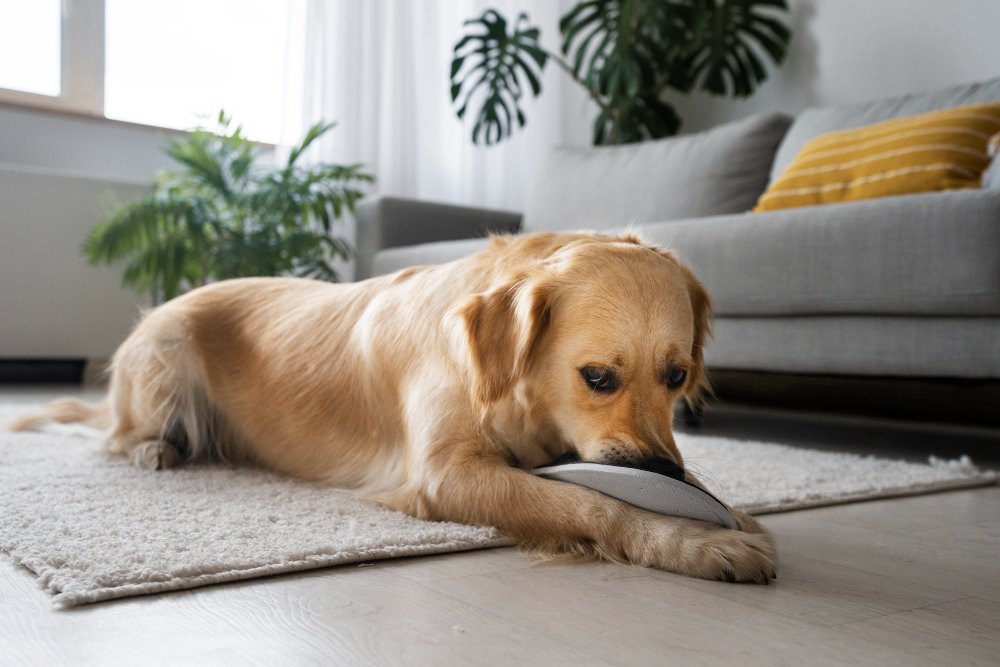
Some transitions carry higher upset risk than others and deserve extra caution:
- Dry to raw or wet food: These have very different moisture and fat content — extend the transition window and introduce raw or wet portions in smaller amounts than the standard ratio suggests.
- Standard diet to grain-free or novel protein: Higher fat content in some grain-free formulas can trigger loose stool even with a proper gradual mix — watch for this specifically in dogs prone to pancreatitis.
- Prescription/veterinary diets: Always follow your vet's specific transition guidance here, since these formulas are often addressing an existing medical issue and timing may differ from general recommendations.
Life Stage Differences: What Changes With Age
Puppies: Their digestive systems are still developing and are generally more sensitive to sudden changes than adult dogs. Use the extended 14-day timeline as a default, and avoid transitioning food during other major changes (like a recent vaccination round or a new home) when possible.
Adults: Most healthy adult dogs handle the standard 7–10 day transition well, especially if they've successfully weathered food switches before. A dog with an established "iron stomach" may tolerate a slightly faster pace, but there's little downside to sticking with the standard timeline anyway.
Seniors: Aging digestive systems often produce fewer digestive enzymes and can be slower to adapt. Extend the timeline, and pay closer attention to hydration during the switch, since older dogs are more prone to dehydration if diarrhea occurs.
Red Flags: When to Loop In a Professional
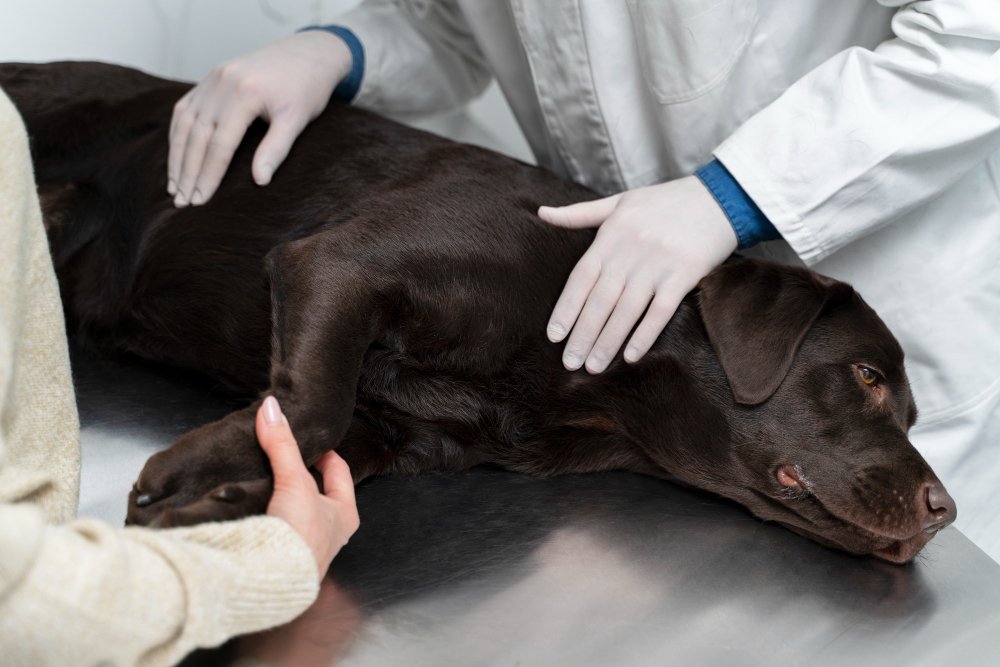
Mild, temporary softening of stool during a properly paced transition is common and not usually a concern. But certain signs mean it's time to call your vet.
See a veterinarian if you notice:
- Vomiting more than once, or vomiting that continues beyond the first day
- Diarrhea lasting more than 2–3 days despite slowing or pausing the transition
- Blood in the stool or vomit
- Lethargy, loss of appetite, or noticeable discomfort (hunched posture, whining when touched near the abdomen)
- Signs of dehydration (dry gums, skin that's slow to spring back when gently pinched, sunken eyes)
Consider a veterinary nutritionist consultation if:
- Your dog has chronic GI issues and multiple food switches have all triggered symptoms
- You're managing a diagnosed condition (pancreatitis, IBD, food allergies) and need a tailored transition plan
- Your dog is significantly underweight or overweight and the food switch is part of a broader diet strategy
One day of soft stool during a gradual transition is common and usually not cause for alarm. Multiple days of vomiting, blood, or lethargy is different — that's a "call the vet today" situation, not a "wait and see" one.
Quick FAQ
Q: How long should a dog food transition take?
Most healthy adult dogs do well with a 7–10 day gradual transition. Puppies, seniors, and dogs with sensitive stomachs often benefit from extending this to 14 days.
Q: My dog refuses to eat the new food mixed in — what now?
Try warming the food slightly to release more aroma, or reduce the ratio of new food temporarily and increase more gradually. Some dogs are simply pickier about texture or smell changes, and a slower ramp-up combined with mealtime consistency (same time, same location) often helps.
Q: Can I switch food faster if my dog seems totally fine?
You can move slightly faster with dogs who have a strong track record of tolerating diet changes, but it's generally safer to stick with the gradual approach even then — GI upset can show up a few days into a switch, not just on day one.
Q: Is soft stool during a transition always something to worry about?
Not necessarily. Mild, brief softening as the ratio shifts is common and often resolves on its own. Persistent diarrhea, blood, vomiting, or lethargy are the signs that cross the line from "normal adjustment" to "call the vet."
The takeaway: Your dog's gut doesn't need a new food — it needs time with a new food. Slow the transition down, watch the signals your dog's stool is giving you, and you'll turn a process that trips up a lot of pet parents into a total non-event.


Comments
No comments yet. Be the first to share your thoughts.