
Dog Boarding Red Flags: How to Choose a Safe Facility for Your Dog


Leaving your dog at a boarding facility while you travel, work, or handle an emergency can be an overwhelming experience. As pet parents, we treat our dogs as family members. You need complete assurance that your dog will remain safe, physically secure, nutritionally supported, mentally stimulated, and handled with compassionate, professional care.
The commercial pet care industry has grown rapidly, offering everything from traditional kennel runs to luxury canine resorts with private suites and live webcams. However, high-end marketing, polished social media feeds, and sleek lobby designs do not always reflect what happens behind closed doors.
Evaluating a boarding facility requires looking past marketing promises and assessing operational standards. A reputable facility welcomes questions, maintains transparent facility access, trains its staff in canine behavior, and enforces strict veterinary safety protocols. Conversely, a substandard facility will evade direct questions, restrict facility tours, maintain inadequate staffing ratios, and cut corners on hygiene.
This comprehensive guide breaks down the critical red flags that should make you walk away, the operational standards of top-tier facilities, an on-site evaluation checklist, and step-by-step strategies to prepare your dog for a safe stay.
Part 1: 10 Critical Dog Boarding Red Flags

When inspecting a potential boarding facility, pay close attention to the facility's physical condition, operational protocols, and staff responsiveness. Encountering any of the following ten warning signs is a strong signal to seek alternative arrangements.
-
Refusal of Facility Tours: Hiding where your pet actually eats, sleeps, and plays.
-
Heavy Chemical or Waste Odors: Lingering urine or excessive bleach masking poor sanitation.
-
No Strict Vaccine Verification: Allowing unvaccinated dogs puts every boarded pet at risk.
-
Overcrowding & High Dog-to-Staff Ratios: Single handlers supervising too many dogs simultaneously.
-
Vague Emergency & Vet Protocols: No clear on-call veterinary partner or transport plan.
-
Unsupervised Group Play: Mismatched sizes and temperaments without trained human handlers.
-
Compromised Security Fencing: Missing safety airlocks, low fences, or broken latches.
-
Zero Overnight Monitoring: Leaving animals unattended for 12+ hours without sensors or alarms.
-
Untrained or Defensive Staff: Handlers lacking canine body-language awareness or basic first aid.
-
Missing Licenses & Commercial Insurance: Operating without local compliance or liability coverage.
1. Refusal to Allow an In-Person Facility Tour
Transparency is the foundation of trustworthy pet care. If a facility refuses to let you view the actual sleeping kennels, outdoor yards, and indoor playrooms—or restricts tours to a sanitized video loop in the lobby—they may be concealing substandard conditions.
-
What to watch for: Excuses such as "tours agitate the dogs" or "insurance forbids customers past the lobby." While safety protocols are reasonable, reputable facilities accommodate scheduled walkthroughs during non-peak hours when cleaning cycles are complete.
2. Persistent Chemical or Waste Odors
Trust your sense of smell when stepping past the reception desk. A clean, well-managed kennel should smell neutral and fresh.
-
Waste Odors: A strong, lingering smell of urine or feces points to infrequent sanitation schedules, poor drainage, or inadequate spot-cleaning throughout the day.
-
Chemical Masking: An overpowering scent of industrial bleach, artificial pine, or heavy masking perfumes often indicates that the facility is trying to conceal underlying waste smells rather than maintaining proper veterinary-grade airflow and enzymatic breakdown.
3. No Proof of Mandatory Vaccinations
A facility that accepts dogs without requiring up-to-date, verified veterinary records places every boarded animal at severe risk of infectious disease outbreaks.
-
Essential Requirements: Reputable kennels mandate proof of Rabies, Core Vaccines (DHPP/DAPP: Distemper, Hepatitis, Parvovirus, Parainfluenza), and Bordetella (Kennel Cough). Many modern facilities also require Canine Influenza (H3N2/H3N8) and Leptospirosis coverage.
-
The Red Flag: If a facility tells you that vaccination records are optional or allows you to drop off your dog without providing documentation prior to entry, walk away immediately.
4. Overcrowded Enclosures and High Dog-to-Staff Ratios
High pet density combined with low staffing creates an environment ripe for dog fights, severe stress, missed medical emergencies, and neglected hygiene.
-
Industry Standards: For active playgroups, the benchmark ratio is 1 trained staff member per 10 to 15 dogs (adjusted down to 1:8 for high-energy or large-breed groups).
-
The Warning Sign: If you observe a single staff member overseeing 30+ dogs across multiple play yards, supervision is purely reactive rather than proactive.
5. Vague Medical and Emergency Protocols
Medical emergencies, acute gastric distress, bloat (GDV), physical lacerations, and sudden seizures can happen without warning. A professional facility must maintain a documented, rapid-response medical protocol.
-
Questions Staff Should Answer Easily: Which veterinary clinic is your primary on-call partner? What is your protocol if a dog experiences bloat or acute trauma after regular clinic hours? Who transports the pet, and what are the emergency credit authorizations?
-
The Warning Sign: Vague answers like "we just call a vet if something happens" indicate a lack of formal crisis preparation.
6. Unsupervised or Mismatched Group Play
Group daycare and play yards require active, hands-on management by staff educated in canine body language.
-
The Risks: Placing intact males, high-drive working breeds, toy breeds, and senior dogs in the same yard without active supervision invites resource guarding, pack bullying, and predatory drift.
-
The Warning Sign: Staff members looking at mobile phones, chatting in corners, or leaving yards unattended while dogs exhibit stiff posture, hard stares, lip licking, tucked tails, or mounting behaviors.
7. Compromised Security and Inadequate Containment
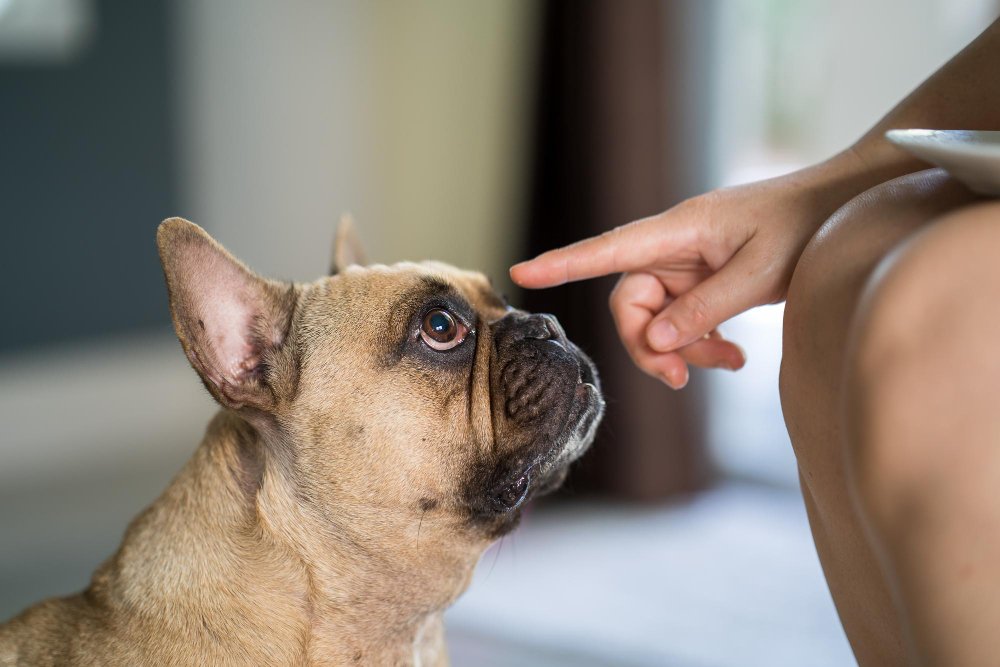
Dogs in unfamiliar environments experience heightened cortisol levels, making them prone to bolt or attempt escape.
-
Critical Physical Safeguards: Facilities must feature double-gated safety transitions ("airlocks") at all entry and exit points. Fencing should be at least 6 feet high, sunk into concrete footings or equipped with dig guards, and free of protruding chain-link wire or weak gate latches.
-
The Warning Sign: Single exterior doors opening straight into parking lots, loose fence posts, damaged latch pins, or open gaps along fence bottoms.
8. Unattended Overnight Hours Without Monitoring Systems
Many commercial kennels operate with staff on-site from 7:00 AM to 7:00 PM, leaving animals unmonitored for 12 consecutive hours overnight.
-
The Risk: If a dog experiences bloat, gets a collar caught on a wire latch, or suffers acute distress in the middle of the night, no one is there to intervene.
-
The Standard: If a facility does not have an overnight caretaker on-site, it must possess integrated central-station fire alarms, carbon monoxide sensors, climate-control fail-safes, and 24/7 video monitoring accessible by management.
9. Untrained, Dismissive, or Impatient Staff
Staff members are directly responsible for your dog's daily well-being. Their attitude and understanding of canine handling reflect management priorities.
-
Required Competencies: Handlers should understand stress escalation ladders, fear-free handling techniques, positive reinforcement redirections, and basic pet first aid/CPR.
-
The Warning Sign: Staff using physical intimidation, shaker cans, excessive hose spraying, or slip-lead dragging to control dogs, or showing irritation when you ask detailed questions about daily operations.
10. Missing Licenses, Certifications, or Commercial Insurance
Legitimate pet-care businesses operate under local commercial zoning permits, animal welfare board registrations, and comprehensive liability insurance policies that cover care, custody, and control of animals.
-
The Warning Sign: An operator who cannot provide proof of commercial general liability insurance or valid local business permits operates outside regulatory oversight, leaving you with zero protection in the event of negligence or loss.
Part 2: Pillars of a High-Quality Boarding Facility

Knowing what to avoid is only half the equation. When you tour top-tier facilities, look for positive markers of exceptional care, structural design, and operational excellence across these core pillars:
-
Hygiene & Air Quality: Multi-stage HVAC systems with continuous fresh air exchanges and pet-safe enzymatic cleaners.
-
Physical Safety & Housing: Solid barrier partition walls, sound-baffle insulation, and non-slip sealed flooring.
-
Nutrition & Medication: Private individual dining routines and double-checked administration logs.
-
Behavioral Management: Mandatory pre-stay temperament evaluations and structured daily rest hours.
-
Daily Transparency: Proactive daily updates, high-definition photo sharing, or secure live camera feeds.
1. Advanced Airflow and Environmental Sanitization
Respiratory pathogens (such as Bordetella bronchiseptica, Canine Parainfluenza, and Mycoplasma) spread rapidly through shared air spaces.
-
HVAC Systems: Top facilities utilize dedicated multi-zone HVAC systems that provide continuous fresh-air exchanges (rather than recirculating stale air between kennel banks) along with commercial-grade UV-C germicidal air purifiers.
-
Pet-Safe Disinfection: Cleaning protocols should rely on veterinary-grade accelerated hydrogen peroxide (AHP) or quaternary ammonium compounds that break down organic waste pathogens without releasing harsh chlorine fumes that damage canine respiratory tracts.
2. Structural Enclosure Design and Noise Control
The physical environment dictates your dog's stress levels.
-
Solid Barrier Partitions: Enclosures should have solid, non-porous side walls (such as masonry, high-density polyethylene, or tempered glass) extending at least 4 to 5 feet high. This prevents fence-line aggression, barrier frustration, and cross-contamination from adjacent kennels.
-
Acoustic Dampening: High ceilings fitted with sound-baffle insulation reduce reverberant barking noise, keeping baseline canine anxiety and heart rates lower throughout their stay.
-
Flooring: Floors must feature textured, sealed, non-slip epoxy coatings or specialized antimicrobial rubber that provides joint traction while remaining impermeable to liquids.
3. Rigorous Feeding and Medication Protocols
Digestive health and medication timing require precise execution during boarding.
-
Individual Meal Times: Dogs must always be fed individually in private, separated suites to eliminate food guarding, resource aggression, and cross-consumption of specialized diets.
-
Medication Administration Logs: Prescription protocols must follow a dual-signature or digital verification workflow. Handlers should log the exact time, dosage, administration method (e.g., pill pocket, wet food vehicle), and any refusals for every medication cycle.
4. Mandatory Behavioral Evaluations (Temperament Testing)
A safe facility never places a new dog directly into a group environment without prior assessment.
-
The Intake Test: Top facilities conduct a 30- to 60-minute structured temperament evaluation before confirming long-term boarding reservations.
-
Evaluation Steps:
-
Testing hands-on handling and body sensitivity by a senior handler.
-
Introducing a neutral, stable dog on a loose leash in a controlled setting.
-
Gradual introduction to a small, calm playgroup.
-
Monitoring reaction to fence lines, toys, food bowls, and sudden loud noises.
-
5. Structured Daily Schedules: Balancing Exercise and Downtime
Constant, unmoderated play leads to physical exhaustion, elevated cortisol, irritability, and behavioral outbursts. Quality facilities operate on a balanced rhythm of activity and sensory rest.
-
06:30 AM – 08:00 AM: Morning outdoor relief run and individual physical health check.
-
08:00 AM – 09:30 AM: Individual breakfast service, medication administration, and quiet digestion time.
-
09:30 AM – 12:00 PM: Supervised group play rotation and structured outdoor enrichment sessions.
-
12:00 PM – 02:30 PM (Midday Rest): Mandatory quiet hours with dimmed lighting and soothing ambient audio.
-
02:30 PM – 05:00 PM: Afternoon exercise, agility play, or one-on-one handler sessions.
-
05:00 PM – 06:30 PM: Evening dinner service and individual digestion period.
-
06:30 PM – 08:30 PM: Final evening potty walks, clean water top-ups, and fresh bedding checks.
-
08:30 PM – 06:30 AM: Overnight lock-in with central monitoring systems active.
Part 3: In-Person Facility Tour Checklist
Take this practical checklist with you when visiting prospective kennels. Use it to evaluate physical setup, staff operations, and safety standards objectively.
| Category | Specific Feature to Check | Optimal Standard |
| Facility Perimeter | Perimeter Fencing Height | Minimum 6 feet high with anti-dig footers or concrete base |
| Entry/Exit Transitions | Double-gated safety airlocks at all exterior thresholds | |
| Drainage & Grounds | Sloped floors with working drainage; zero standing water | |
| Indoor Housing | Suite Construction | Solid partition side-walls (no chain-link contact) |
| Bedding & Elevation | Raised cot-style beds (e.g., Kuranda) off cold concrete floors | |
| Air Quality & Smells | Neutral odor, active air circulation, UV filtration units | |
| Temperature & Climate | Thermostat maintained between 18°C–23°C (65°F–74°F) | |
| Staff & Operations | Playgroup Staffing Ratio | Maximum 1 staff member per 10–15 dogs in yards |
| Handler Education | Formal training in canine body language & Pet First Aid/CPR | |
| Emergency Protocols | Written veterinary transport plan & 24/7 on-call clinic | |
| Vaccination Auditing | Rabies, DHPP, Bordetella verified before check-in | |
| Client Services | Daily Communication | Daily photo/video updates or live webcams |
| Trial Stay Options | Mandatory temperament test or short trial stay offered |
Part 4: Step-by-Step Guide to Preparing Your Dog for Boarding
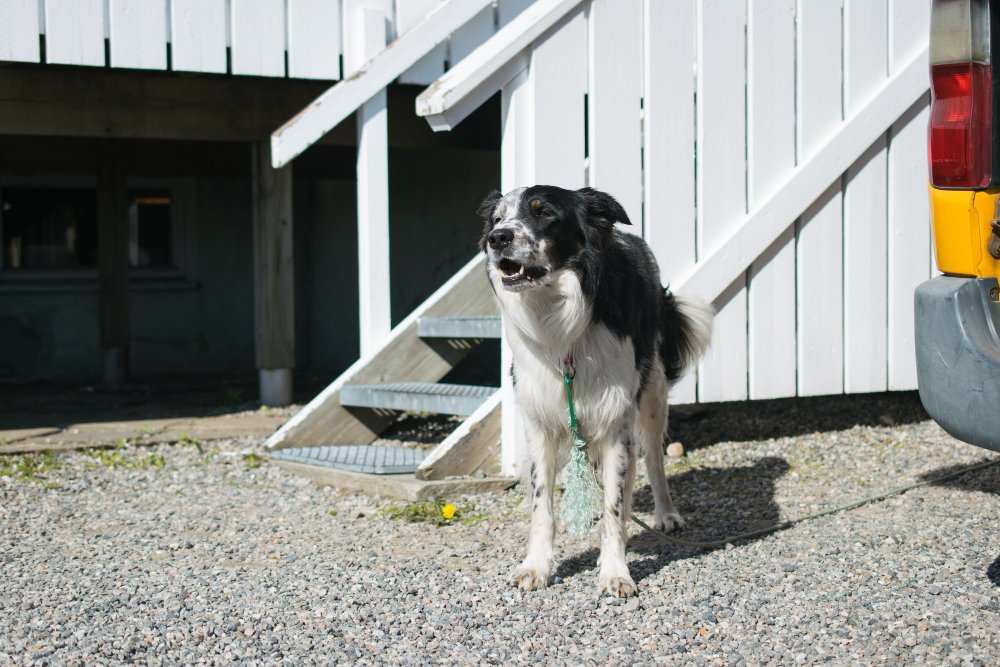
Even at an exceptional facility, boarding represents a change in routine. Proper preparation minimizes separation anxiety, prevents gastrointestinal upset, and ensures staff can manage your dog effectively.
Phase 1: Veterinary and Medical Prep (3–4 Weeks Before Stay)
-
Schedule Vaccine Updates Early: Administer Bordetella (oral, intranasal, or injectable) and core boosters at least 14 days before drop-off. Administering vaccines too close to check-in leaves your dog vulnerable during the window when immunity is still developing, and vaccine side effects (mild lethargy, sneezing) can complicate intake checks.
-
Flea and Tick Prevention: Ensure your dog is on an active veterinary-grade topical or oral parasite preventative.
-
Refill Prescriptions: Secure extra doses of ongoing prescription medications (insulin, thyroid medications, joint supplements, anti-seizure tablets) to account for potential travel delays.
Phase 2: Behavioral Acclimation (1–2 Weeks Before Stay)
-
Book a Half-Day Daycare or Single Overnight Trial: A trial run familiarizes your dog with the facility’s smells, sounds, handlers, and routines. It teaches them that you always return, dramatically reducing separation distress during longer trips.
-
Crate or Suite Familiarization: If your dog has never slept in an enclosed suite or crate, practice short, positive resting sessions at home paired with high-value enrichment toys (e.g., frozen KONGs) to build positive associations with downtime.
Phase 3: Packing and Nutrition Management (2–3 Days Before Stay)
-
Pack Their Own Regular Food: Never switch to the boarding facility’s house food unless strictly necessary. Abrupt dietary transitions combined with boarding excitement trigger acute osmotic diarrhea and gastrointestinal inflammation.
-
Pre-Portion Meals: Pack each meal in individual, sealed zip-top bags labeled with your dog's name, meal time (AM/PM), and specific feeding instructions. Include 2–3 extra days of food in case of travel delays.
-
Provide Labeled Medication with Instructions: Keep prescription medications in their original veterinary pharmacy containers displaying dosage details, the prescribing veterinarian’s name, and expiration dates. Write a brief instruction card outlining the timing, method of administration, and any dietary restrictions.
-
Choose Safe Comfort Items: Pack an unwashed t-shirt carrying your scent or a flat, durable blanket. Avoid soft stuffed toys with squeakers or small plastic eyes that present choking hazards if your dog chews them while unsupervised.
Phase 4: The Drop-Off Morning
-
Provide Moderate Exercise: Take your dog for a brisk 30- to 45-minute walk before heading to the facility. This helps burn off excess energy and promotes a calm state of mind during intake.
-
Keep Departures Calm and Brief: Prolonged, emotional farewells in the lobby communicate anxiety down the leash. Hand the leash to the staff member with a cheerful, confident demeanor, say a quick goodbye, and exit. Dogs take their emotional cues directly from your body language.
Part 5: Handling Incidents and Post-Boarding Care
Understanding what to do if an issue occurs ensures your dog receives prompt care and holds facilities accountable.
What to Inspect at Pick-Up
-
Physical Body Check: Run your hands across your dog’s neck, legs, paws, armpits, and abdomen. Check for unnoticed scrapes, hot spots, matting, or tender spots.
-
Weight and Hydration: Notice if your dog appears significantly dehydrated or thin. Ensure paw pads are not raw or worn from excessive pacing on concrete.
-
Behavioral Demeanor: Your dog will naturally be excited to see you. However, extreme lethargy, flinching, fear-based submissiveness, or reluctance to approach staff members warrants inquiry.
Normal Post-Boarding Adjustments vs. Red Flag Symptoms
-
Normal Behavior: Sleeping heavily for 24–48 hours after returning home is completely normal. Even in the best facilities, dogs expend significant mental and physical energy processing new environments and socializing.
-
Normal Thirst Adjustments: Dogs often drink enthusiastically when they get home simply because they are relaxed in their familiar environment.
-
Symptoms Requiring Veterinary Attention:
-
Persistent dry, hacking cough or nasal discharge (potential kennel cough).
-
Watery diarrhea or vomiting lasting more than 24 hours.
-
Marked limping, swelling, or open puncture wounds.
-
Inability to settle, accompanied by severe panting and pacing.
-
What to Do If Substandard Care Occurs
-
Document Everything Immediately: Take high-resolution photos and video of any physical injuries, dirty coats, skin infections, or weight loss before leaving the facility premises or immediately upon arrival at home.
-
Seek Independent Veterinary Care: Have a licensed veterinarian examine your dog, document findings in a medical chart, and provide an itemized invoice detailing the nature and cause of the injuries.
-
Request Facility Logs: Ask the facility manager for copies of daily feeding sheets, medication administration charts, incident reports, and relevant security/webcam footage.
-
Escalate Professionally: Submit a formal written complaint to the facility owner or general manager. If the facility is uncooperative and evidence shows gross negligence or animal welfare violations, file a report with your local municipal animal control authority, humane society, or consumer protection bureau.
Quick Summary for Choosing a Safe Facility
-
Clean in-person walkthrough completed covering sleeping, play, and yard areas.
-
Verified strict vaccination enforcement (Rabies, DHPP, Bordetella).
-
Fresh air quality throughout with zero heavy bleach or waste odors.
-
Solid suite walls and secure double-gated safety airlocks at all exits.
-
Daytime staff ratios maintained at 1:10–15 dogs during active playgroups.
-
Structured daily schedules featuring mandatory midday quiet rest hours.
-
Clear, written 24/7 veterinary emergency and transport protocols.
-
Overnight monitoring systems including on-site caretakers or central alarms.
-
Mandatory temperament evaluations conducted prior to confirming long stays.
-
Verifiable commercial licensing, liability insurance, and certified handlers.
Taking the time to evaluate a dog boarding facility through thorough research, on-site inspections, and structured preparation is the best way to safeguard your dog's physical health and mental well-being while you are away.


Comments
No comments yet. Be the first to share your thoughts.