
Top 7 Safety Features to Look for in a Fenced Public Dog Park


The first thing people notice at a dog park is usually the fence.
The first thing worth checking is the gate.
A fenced public dog park can look perfect from the parking lot: green grass, happy dogs, a few benches, maybe a water station. But once you get closer, the details tell a different story. Is the latch secure? Is there a gap beneath the fence? Are a 10-pound terrier and a 70-pound adolescent Lab being pushed into the same crowded corner?
Those details decide whether a dog park is a good place to unclip the leash—or a place to turn around.
This is not about finding a flawless park. It is about recognizing the features that prevent the most avoidable problems: escapes, injuries, overheated dogs, messy conditions, and stressful interactions. Google’s guidance favors original, genuinely helpful content that answers a real reader need rather than content written just to chase rankings. So, consider this a practical walk-through of what to notice before your dog goes through the gate.
1. A Double-Gated Entrance
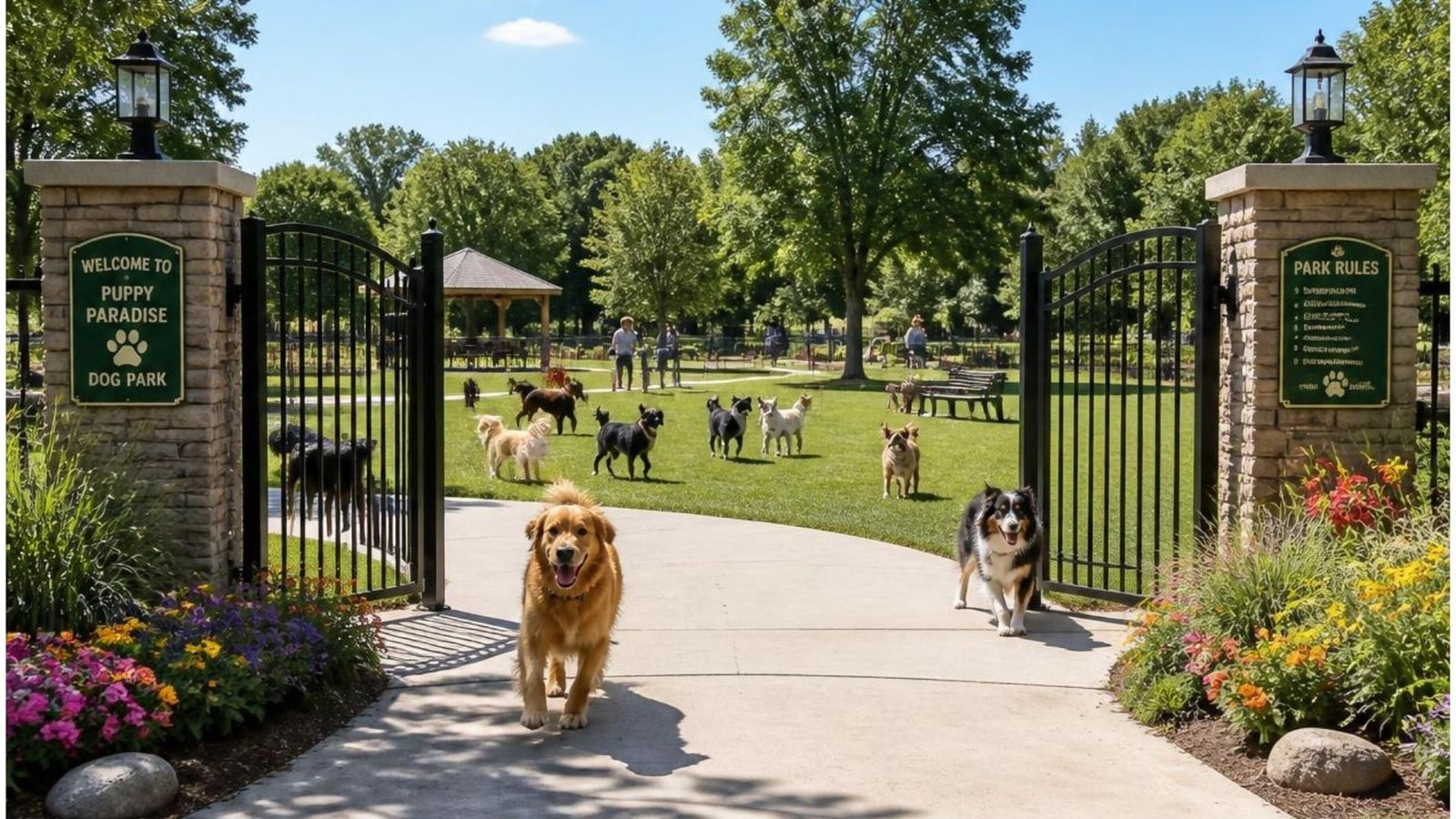
If there is one feature to prioritize, make it this one.
A double-gated entrance creates a small enclosed transition space between the outside world and the off-leash area. You enter through the first gate, close it behind you, then open the second gate. It sounds simple, but it gives you a crucial moment of control.
Dogs often become excited at the entrance. Some pull toward the action. Others crowd the gate to greet newcomers. Without that extra barrier, one open latch can be enough for a dog to run toward a car park, road, squirrel, or unfamiliar neighborhood.
The American Kennel Club identifies double gates as the best entry-and-exit option because they create a buffer and help prevent accidental escapes.
Quick check: Stand outside for a minute. Watch whether the gates self-close, whether people are using them correctly, and whether dogs already inside are crowding the entrance.
2. Fencing That Is Intact, Secure, and Dog-Appropriate
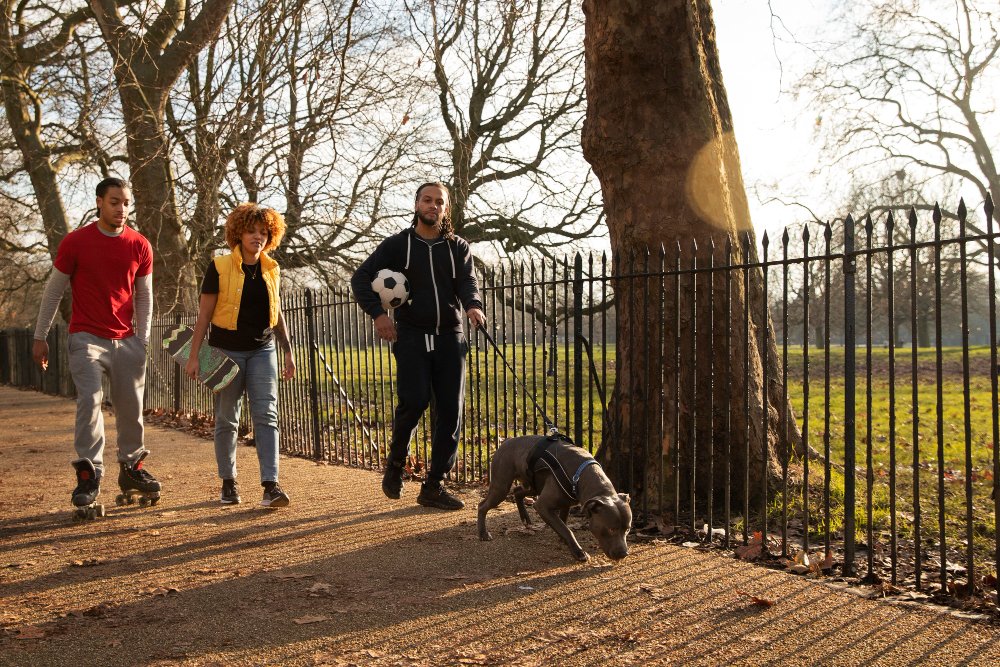
“Fenced” is not the same as “secure.”
Before entering a new dog park, take a quick look along the perimeter. You do not need to inspect every inch like a building engineer. Just look for the obvious warning signs: sagging panels, holes near the bottom, loose mesh, sharp wire, broken latches, or damaged sections hidden by grass.
Small dogs may fit through gaps that larger dogs ignore. Some dogs dig. Others climb. And athletic dogs can clear surprisingly high barriers when excitement takes over.
Many dog-park planning resources recommend fencing around four to six feet high, with a double-gated entrance as an added escape safeguard. The right height still depends on the dog. A calm senior Beagle and a young, agile Border Collie do not pose the same challenge to a fence.
A useful habit: Walk one short stretch of the boundary before uncliping the leash. If anything makes you pause, trust that pause.
3. Separate Spaces for Small and Large Dogs
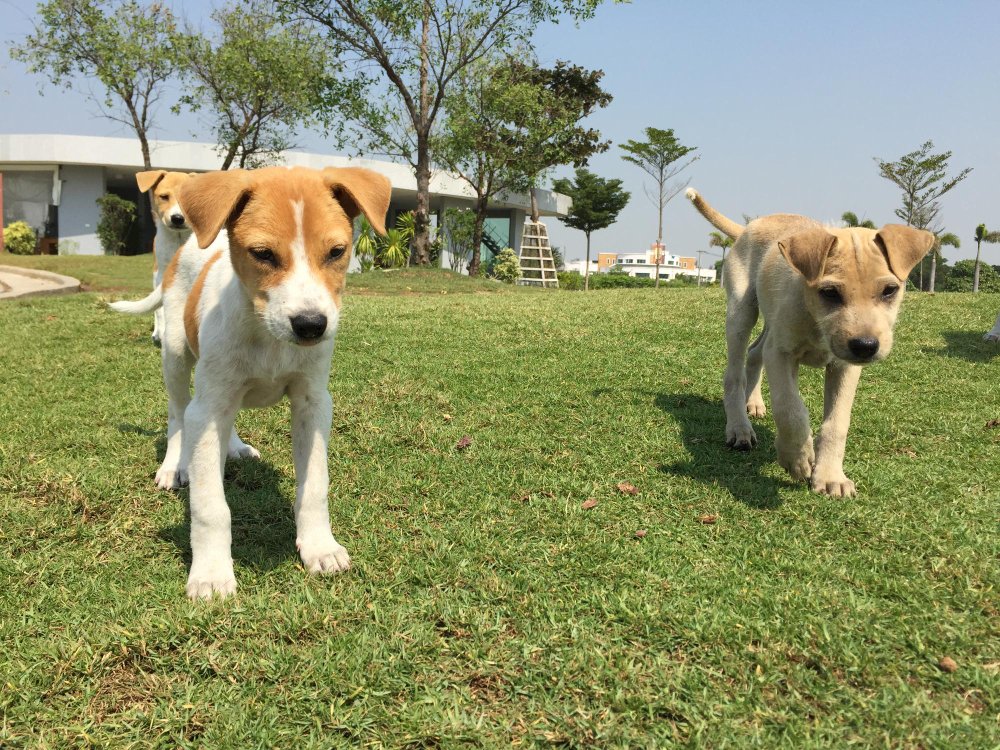
Not every problem at a dog park is aggression.
Sometimes, it is physics.
A friendly large dog can accidentally injure a small dog during fast chasing, body-slamming, or wrestling. A dog does not need bad intentions to play too hard. Size, speed, and play style all affect whether an interaction stays fun.
That is why a separate enclosed section for smaller dogs is more than a “nice extra.” It gives dogs a better chance to interact with playmates whose size and energy are compatible with theirs. The AKC notes that separate areas for large and small dogs can create safer play opportunities among dogs of similar size and weight.
Of course, size is not the entire story. A high-energy dog of any size can overwhelm a more reserved dog. But separating the biggest size mismatch removes one major source of risk.
Look beyond the label: Even if your dog technically qualifies for the large-dog side, choose the space where its temperament and play style fit best.
4. Enough Space to Move Away
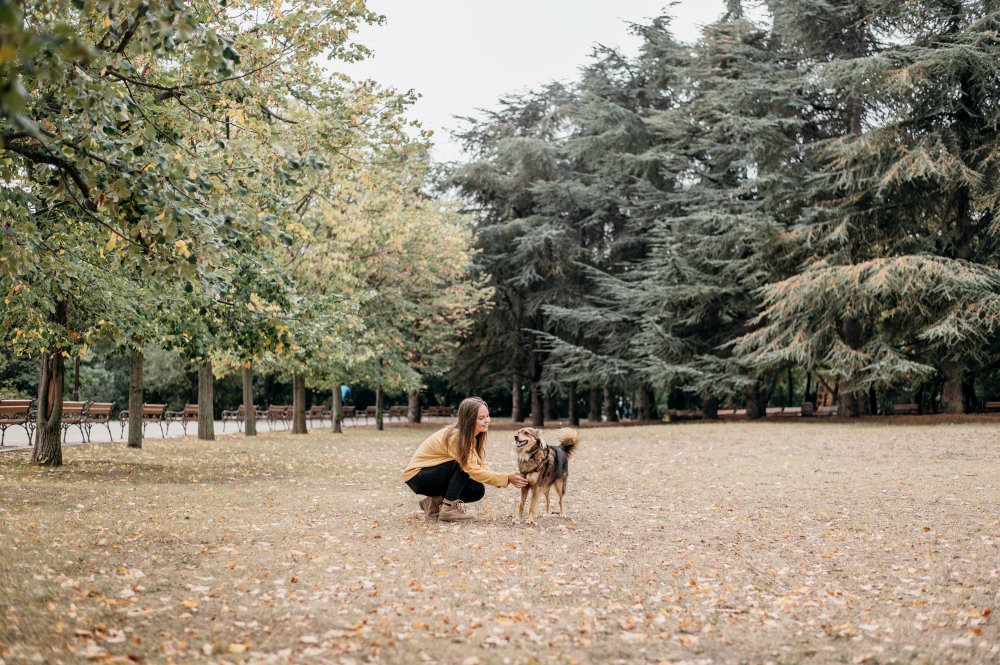
Crowding changes dog behavior.
In a small enclosure, dogs cannot easily create distance when they feel uncomfortable. The gate becomes a bottleneck. Toys become something to guard. A dog that would normally walk away may instead feel trapped.
A safer dog park has enough open room for dogs to run, disengage, and choose their own space. It should also avoid placing every important feature—water, benches, shade, and the entrance—in one tight area.
When visiting, notice the flow of the park:
-
Can dogs move around each other without being cornered?
-
Is there an open area away from the gate?
-
Are owners clustered in one place while dogs crowd around them?
-
Does one dog keep trying to leave or hide behind its owner?
A large park is not automatically safer, but space gives dogs more choices. And having choices is one of the easiest ways to reduce tension.
5. Clean Water, Waste Bins, and a Surface That Drains
The least glamorous safety features are often the most practical.
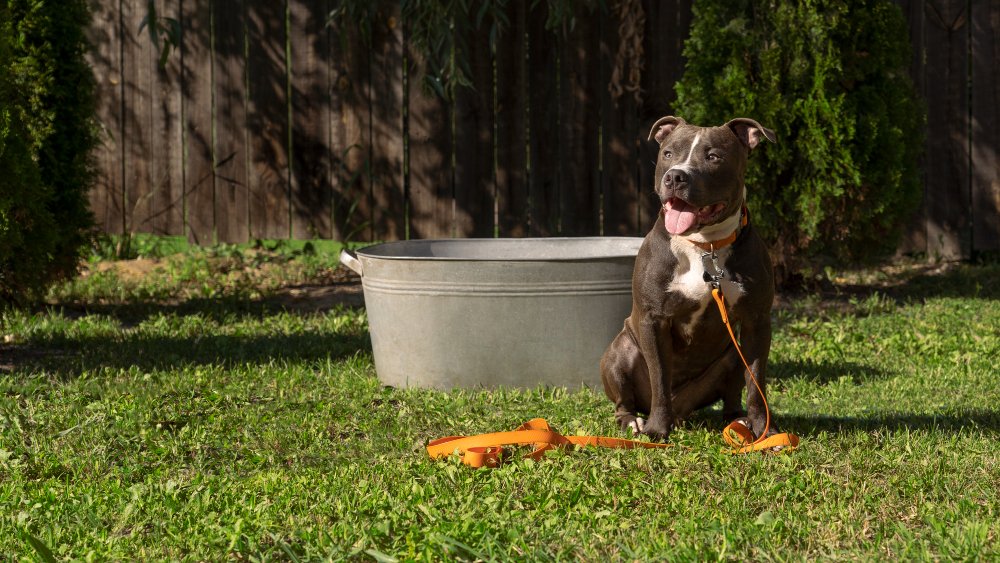
A dog park needs a clean, usable water source, accessible waste-bag stations, and bins that are emptied often enough to be useful. When those basics are missing, the condition of the park usually declines quickly.
Pay attention to the ground, too. Deep mud, standing water, uneven holes, exposed roots, and slippery hard surfaces can turn a normal play session into an injury risk. High-traffic areas around gates and water stations are especially likely to wear down.
There is no universally perfect dog-park surface. Grass can become muddy. Gravel can be uncomfortable for paws. Turf requires cleaning and can become hot. The real question is whether the park is maintained for the weather and the number of dogs using it.
A small owner tip: Bringing your own collapsible bowl and water can be useful, even when a communal fountain is available.
6. Shade and Visibility
Dogs do not always know when to stop.
On a cool day, that enthusiasm is part of the fun. On a hot afternoon, it can become a problem quickly. A public dog park with shaded areas gives dogs and owners a chance to take breaks rather than staying in direct sun the entire time.
Shade can come from trees, covered structures, or shelters. What matters is that it is actually usable and does not force every dog into one cramped spot.
Visibility matters as well. If a park is open in the early morning or evening, poor lighting makes it harder to read dog body language, identify hazards, pick up waste, or notice when play is becoming too intense.
A well-designed dog park lets you see what is happening. If you cannot comfortably observe your dog from where you are standing, the environment is working against you.
7. Clear Rules—and Owners Who Pay Attention
The best sign at a dog park is not necessarily the one listing rules.
It is the one that visitors actually follow.
Clear posted guidance helps establish expectations: clean up after your dog, keep vaccinations current, do not bring sick dogs, avoid food or high-value toys in a group setting, and leave if your dog is becoming overwhelmed or unsafe.
But rules only work when owners supervise.
A dog park is not a daycare drop-off zone. Phones, conversations, and coffee can wait. Dogs communicate discomfort long before a serious incident occurs. Watch for a stiff body, repeated mounting, relentless chasing, pinned ears, hiding, yelping, or a dog repeatedly trying to leave.
Intervening early is not overreacting. It is good dog ownership.
The Best Safety Feature Is Your Judgment
A fenced public dog park can be a great place for exercise, enrichment, and social time. But a fence is only the starting point.
Before entering, take two minutes to assess the gate, fence, dog mix, ground conditions, available space, shade, and general level of supervision. If the environment feels chaotic, crowded, or poorly maintained, you do not have to prove your dog can handle it.
Leaving is not a failure.
It is often the most responsible choice you can make for your dog.


Comments
No comments yet. Be the first to share your thoughts.