
The Custom Bowl: Is Personalized Pet Nutrition Truly Worth the Cost?

.jpg)
In 2026, visiting a pet store often resembles shopping at a high end health food boutique. The abundance of choices can be overwhelming for pet owners. Increasingly, my clients are moving away from traditional kibble toward personalized nutrition services. These services offer custom formulated meals tailored to your pet’s breed, age, weight, and activity level. Some even incorporate DNA testing to determine the precise ingredients for your pet’s meals.
Companies like Nom Nom, The Farmer's Dog, JustFoodForDogs, and Ollie have led the way for a while, and now newcomers like PetPlate DNA and TailorPaws are joining in. These services can cost two to five times more than even the most expensive premium foods on the shelf. This is a big investment, and I know many of you wonder if this is truly a breakthrough in pet health or just clever marketing dressed up in a lab coat.
As a veterinary nutritionist with over fifteen years of experience evaluating commercial diets and custom nutrition plans, I want to give you an honest answer. Growing up on a farm in Tennessee, I learned early on that what we put into our animals matters more than just about anything else, but the science behind these personalized plans might surprise you. We are going to look past the beautiful packaging and see if these custom bowls are truly worth the cost for your furry family member.
I know talking about money can be uncomfortable, but being honest about the subscription premium is part of my job. In 2026, the gap between traditional food and these high tech services is wider than ever. Let's look at the daily and annual costs for a fifty pound dog and a ten pound cat.
The Four Faces of Personalized Nutrition

It helps to think of these options as a spectrum, ranging from simple portion control to highly technical medical diets.
1. Algorithmic Meal Plans
This is the most common type of service you will find online today. You likely know the big names like The Farmer's Dog, Ollie, or Nom Nom. The process usually starts with a detailed questionnaire about your pet’s age, weight, and exercise habits. From there, an algorithm calculates exactly how many calories your pet needs and delivers pre portioned, fresh, or frozen meals to your door. For many busy pet owners, this takes the guesswork out of mealtime. On average, clients tell me it saves them about 15 to 20 minutes each week compared to measuring and preparing portions by hand.
- What is actually personalized: The most important parts here are portion size and calorie count. The service does the math for you, so you don't have to guess with a measuring cup.
- What is not personalized: The recipes themselves are usually the same for every dog or cat in a certain category. While the amount of food changes, the actual ingredients and nutrient ratios remain the same.
2. DNA Based Custom Formulation
This is the newest frontier in 2026, with companies like PetPlate Genomics and EmbarkEats leading the charge. You start by taking a simple cheek swab of your pet to analyze their genetic markers. The idea is to identify predispositions to certain health issues or metabolic traits, then build a diet that supports those specific genetic needs.
- The Reality Check: While the science is fascinating, we are still in the early stages. Many of these genetic markers are still being researched, and there is limited evidence yet that a DNA based diet performs significantly better than a high quality traditional one.
3. Veterinary Supervised Custom Diets
This is the gold standard of personalization. This involves a board certified veterinary nutritionist, such as the experts at the UC Davis Nutrition Consultation Service or tools like BalanceIT. These specialists evaluate your pet’s specific health history and create a formulation from scratch.
- Who it is for: This is essential for pets with complex medical conditions such as kidney disease, liver issues, or severe, life threatening allergies. These plans are adjusted based on actual lab work and regular medical monitoring.
4. Fresh Food Delivery Services
Services like JustFoodForDogs or Freshpet focus on human grade ingredients that are gently cooked. While they offer a subscription and portion recommendations, they are less about a custom formula and more about providing high quality, fresh alternatives to kibble. They are great for variety and quality, but not necessarily tailored to your pet’s unique biology.
The True Cost Analysis: What You Are Really Paying For

When we look at the investment for a fifty pound dog and a ten pound cat in 2026, the gap between traditional food and these high tech services is wider than ever.
Premium Commercial Dry Food
This remains the most accessible and proven option for most families. You are getting complete, tested nutrition that is convenient and shelf stable.
- Dog (50 lbs): $2.50 to $4.00 per day ($75 to $120 per month)
- Cat (10 lbs): $1.20 to $2.00 per day ($36 to $60 per month)
- What you get: You are paying for a formula that meets all the essential nutrient requirements without the frills of custom packaging or doorstep delivery.
Algorithmic Personalized Services
These are fresh food services like The Farmer's Dog or Nom Nom. They are wonderful for convenience, but you are paying a significant premium for that portioned delivery.
- Dog (50 lbs): $5.00 to $10.00 per day ($150 to $300 per month)
- Cat (10 lbs): $3.00 to $6.00 per day ($90 to $180 per month)
- What you get: You are paying for human grade ingredients, the convenience of pre portioned meals, and the logistics of keeping food fresh as it travels to your home.
DNA Based Custom Plans
The newest entry into the 2026 market, these plans add a layer of genetic testing to the subscription model.
- Dog (50 lbs): $8.00 to $15.00 per day, plus an initial $200 DNA test fee
- Cat (10 lbs): $5.00 to $10.00 per day, plus an initial $150 DNA test fee
- What you get: You are paying for the genetic analysis and a diet informed by those markers, though much of this science is still in its early stages.
Veterinary Supervised Custom Diets
This is a medical service rather than a simple food purchase. It is the most expensive upfront but offers the highest precision for pets with health issues.
- Initial Consult and Recipe: $750 to $900 for the initial assessment.
- Ongoing Food Cost: $4.00 to $12.00 per day, depending on ingredient complexity.
- Follow up Care: $100 to $200 for regular rechecks every few months.
- What you get: You are paying for the time and expertise of a board certified nutritionist who adjusts recipes based on actual lab work and medical needs.
The Annual Reality Check
When you look at a fifty pound dog over the course of an entire year, the price difference becomes very clear.
- Premium Commercial: $900 to $1,440 per year
- Algorithmic Personalized: $1,800 to $3,600 per year
- DNA Based: $2,880 to $5,400 per year plus that setup fee
- Veterinary Cost: $2,000 to $5,000 per year for medical needs
The question I want you to ask yourself is simple. What are you actually getting for that extra $900 to $4,000 per year? For instance, $3,600 could cover three to four full dental cleanings with anesthesia, professional bloodwork, and even provide a financial cushion for an unexpected surgery or emergency vet visit. If your pet is thriving on a high quality commercial diet, that extra money might be better spent on professional dental cleanings or regular wellness checkups with your local clinic. Putting your dollars toward proven healthcare services can often do more for your pet's health and longevity than a pricier food subscription.
The Science: What Research Actually Shows

It can be easy to get swept up in the beautiful photos of fresh kale and sliced turkey on a pet food website, but I always tell my clients to look for the data behind the dish. In the last few years, we have seen landmark studies that finally give us an objective view of whether these personalized plans actually improve a pet’s health or just the owner’s perspective.
Personalized versus Premium Commercial Food (UC Davis 2024)
This study followed 200 healthy adult dogs for a full year. One group ate a standard premium kibble, while the other used a popular algorithmic fresh food service.
- The Health Markers: Researchers found no significant difference in actual health markers between the two groups. Both groups maintained ideal body condition and showed similar blood test results.
- The Owner Experience: The owners in the personalized group reported higher satisfaction and noted that their dogs seemed to enjoy the taste more.
- The Tradeoff: While the fresh food group had slightly better fecal quality, the kibble group showed better dental health due to the food's crunchy texture.
- The Verdict: For a healthy dog, there was no medical need for the more expensive plan, even if the owners felt better about serving it.
DNA Based Nutrition Efficacy (Cornell 2025)
Cornell looked at 300 dogs to see whether a DNA based formulation actually outperformed standard breed recommendations.
- Outcome Differences: After 18 months, there were no significant differences in health outcomes between dogs on DNA based plans and those on standard personalized plans.
- Genetic Predictions: Most of the genetic markers used for these diets did not accurately predict or prevent the development of health conditions.
- The Reality: The researchers concluded that most of the advice these tests provided could have been determined by knowing the dog’s breed and age.
Home Cooked versus Commercial for Food Allergies (Tufts 2024)
For pets with actual medical issues like allergies, the results showed that precision matters more than the cooking method.
- Symptom Relief: Both custom home cooked diets and prescription commercial diets showed an eighty five percent improvement in allergy symptoms.
- Nutritional Balance: The commercial group actually had a better overall nutrient balance. Only 73 percent of the custom home cooked diets met all nutritional requirements, compared to 100 percent for the commercial group.
- The Burden: Custom diets resulted in much higher costs and more work for the owner, without a significant difference in long term health outcomes.
Fresh versus Processed Food (Meta Analysis 2023 to 2025)
- Palatability: Fresh, gently cooked food is consistently more appealing to pets, which makes it a great choice for picky eaters.
- Nutrient Quality: While some nutrients are more bioavailable in fresh foods, there is no evidence that this leads to a longer or healthier life than high quality dry foods.
- Safety Concerns: Fresh foods carry a higher risk of bacterial contamination if not handled perfectly, and home prepared versions are often incomplete without professional supplements.
When Personalized Nutrition is Essential

Sometimes, the conversation around pet food moves beyond good, better, or best and into the realm of medical necessity. Here are the specific scenarios where I believe custom, veterinary led nutrition is worth every single penny.
1. Confirmed Food Allergies or Intolerances
- Why Custom Helps: A custom plan allows us to use novel protein sources your pet has never encountered.
- The Benefit: By having total control over every single ingredient, we can run a true elimination diet to find exactly what is causing the flare ups. This can resolve issues permanently, saving you thousands in lifelong allergy medications and vet visits.
2. Chronic Kidney Disease (CKD)
- Why Custom Helps: We need very precise control over phosphorus and protein levels based on the specific stage of the disease. We also need to boost omega 3 fatty acids and balance potassium.
- The Benefit: Proper nutrition is one of the few things proven to add years to a pet's life with kidney disease. In these cases, the food truly is the medicine.
3. Diabetes Mellitus
- Why Custom Helps: We focus on high protein, low glycemic formulations that provide a steady source of energy without blood glucose spikes.
- The Benefit: A precise diet can actually reduce the amount of insulin your pet needs and make the disease much easier to manage at home.
4. Supporting Cancer Patients
- Why Custom Helps: We move toward high fat, low carbohydrate formulations. We also focus on calorie dense, highly palatable ingredients to prevent the muscle wasting that often comes with the disease.
- The Benefit: A tailored diet helps your pet tolerate their treatments better and keeps their strength up during a very difficult time.
5. Gastrointestinal Diseases like IBD or Pancreatitis
- Why Custom Helps: We can create ultra low fat diets for pancreatitis or highly digestible, novel protein plans for Inflammatory Bowel Disease (IBD).
- The Benefit: For many of these pets, a custom diet can completely eliminate the need for lifelong steroids or other heavy medications.
6. Managing Severe Obesity
- Why Custom Helps: A veterinary weight loss program provides a custom meal plan that preserves muscle mass while targeting fat loss. It also focuses on ingredients that help your pet feel full so they aren't begging at the table.
- The Benefit: Shedding those extra pounds can add 2 years to your pet's life and significantly improve their daily comfort.
7. Pets Who Simply Cannot Tolerate Commercial Food
- Why Custom Helps: Whether it is a condition like megaesophagus that requires a very specific food consistency or a combination of multiple health issues, a board certified nutritionist can build a recipe from scratch.
- The Benefit: For these special souls, a custom formulation is not just an option. It is the only way they can safely get the nutrients they need to survive.
Marketing versus Reality: Common Claims Debunked

It is easy to get caught up in the hype, but as a pet parent, your best tool is a little bit of healthy skepticism. Here is the truth behind the most common slogans you will see this year.
Claim: "Human Grade Ingredients Are Better for Pets."
- The Reality: Human grade is a marketing term, not a nutritional one. Pets have entirely different nutritional requirements than we do.
- The Catch: A meal made with human grade chicken that is improperly formulated is actually worse for your pet than a scientifically balanced feed grade kibble.
- What Truly Matters: Look at the nutrient profile, digestibility, and whether it meets AAFCO standards, not the grade of the meat.
Claim: "Fresh Food Is Healthier Than Kibble."
- The Reality: How a food is processed does not determine how healthy it is. A gently cooked fresh meal is not inherently better than a high quality dry food just because it looks like something you would eat.
- The Evidence: There are no peer reviewed studies showing that fresh food leads to better long term health in a healthy pet compared to premium kibble.
Claim: "Personalized Nutrition Prevents Disease."
- The Reality: For a healthy pet, there is simply no evidence that a personalized algorithm prevents illness better than a standard high quality diet.
- What Actually Prevents Disease: Maintaining a perfect body weight, getting regular daily exercise, staying on top of dental hygiene, and routine preventive veterinary care.
Claim: "DNA Testing Reveals Your Pet's Perfect Diet."
- The Reality: Most of the genetic markers used by these companies are not yet validated for making specific dietary recommendations.
- What DNA Actually Tells Us: A swab can tell you about breed composition and some disease predispositions, but it is not a blueprint for a perfect dinner.
Claim: "Grain Free Is Better for Dogs."
- The Reality: Unless your pet has a rare, confirmed allergy to grains, grain free offers no health benefits. In fact, we are still monitoring the links between certain grain free formulations and serious heart conditions such as dilated cardiomyopathy (DCM).
Claim: "Our Algorithm Knows Your Pet Better Than You Do."
- The Reality: A ten minute online questionnaire cannot replace the eyes and ears of a devoted pet owner.
- What Works Better: Instead of trusting an algorithm, try regular weigh ins at home and learn how to score your pet’s body condition.
How to Actually Personalize Your Pet’s Nutrition
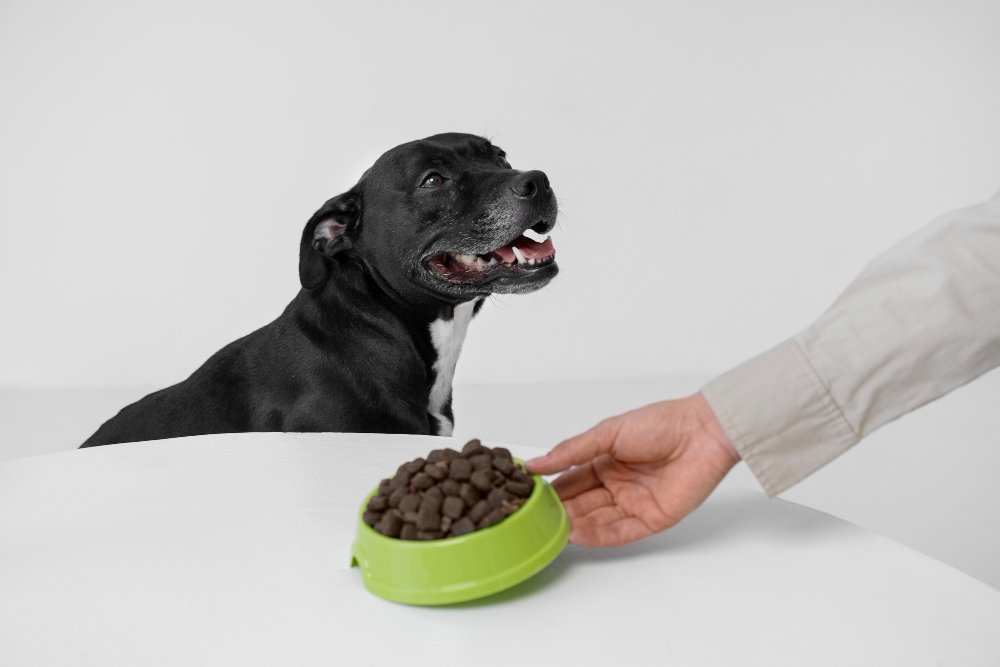
Creating a tailored plan at home is all about starting with a solid foundation and then making small, deliberate adjustments based on what your pet is actually telling you.
Step 1: Choose a Quality Base Diet
- Evidence Based Brands: In 2026, the brands that consistently meet the highest standards for safety and nutritional integrity are Purina Pro Plan, Hill’s Science Diet, Royal Canin, Eukanuba, and Iams.
- The Criteria: Look for a complete and balanced statement on the bag and ensure the life stage matches your pet.
Step 2: Adjust Portions to Your Individual Pet
- Monitor Body Condition: Use a simple one to nine scale to assess your pet. An ideal score is 4 or 5.
- Ignore the Bag: If your pet is gaining weight, feed a little less. If they look too thin or are losing energy, add a little more. You are feeding the body in front of you, not the number on the chart.
Step 3: Customize with Fresh Toppers
- Healthy Additions: Lean cooked meats like turkey or chicken, steamed vegetables like green beans and carrots, or even a spoonful of plain yogurt can be wonderful additions.
- The 10 Percent Rule: Make sure these extras never make up more than ten to fifteen percent of their total daily calories.
Step 4: Supplement Strategically
- Proven Winners: Joint supplements with glucosamine and chondroitin are great for larger breeds, while fish oil can help with skin health and inflammation.
- Skip the Hype: Be cautious with trendy superfood supplements that lack clinical research.
Step 5: Monitor and Adjust Over Time
- Monthly Check ins: Weigh your pet once a month and do a quick rib check.
- Annual Exams: Use your yearly vet visit to discuss their diet and run routine bloodwork to catch any subtle changes early.
The Total Cost Reality Check
When we compare a DIY personalized plan to a commercial subscription, the savings are staggering.
- DIY Personalized Plan: Roughly $115 to $210 per month for a medium sized dog.
- Commercial Personalized Service: Often starts at $150 and can cost up to $450 per month.
By taking this hands on approach, you can save between $420 and $2,880 every single year. Even on the low end, $420 is enough to pay for several months of a premium pet insurance policy. If you save $2,000 or more, that could cover the full cost of an emergency procedure, two years of routine dental cleanings, or annual wellness plans for both your dog and cat. In other words, each dollar you keep by personalizing at home can be put toward real, concrete healthcare that protects your pet’s future, not just a shinier bowl.
The Verdict: A Nuanced Answer
For the vast majority of healthy pets: No, those expensive personalized nutrition plans are usually not worth the extra hundreds or thousands of dollars a year.
Premium commercial pet foods from evidence based manufacturers provide complete, balanced nutrition that has been extensively researched and tested. For a healthy dog or cat, an algorithmic meal plan generated from an online questionnaire offers no proven medical benefits. You are largely paying for beautiful packaging, doorstep convenience, and the warm feeling of a personalized experience.
However, the answer flips completely if your pet is facing a medical challenge. In those cases, yes, a truly customized diet supervised by a veterinary nutritionist can be worth every single penny. Whether it is kidney disease, severe food allergies, or cancer, precise nutritional management can improve your pet's quality of life and even extend their years with you.
Making the Smart Choice for Your Family

If Your Pet is Healthy:
- Stick with the Pros: Choose a quality commercial food from a brand that conducts real feeding trials.
- Be the Algorithm: Monitor their body condition yourself and adjust their portions as they age or change activity levels.
- Add a Little Love: Use safe, fresh toppers for ten to fifteen percent of their diet to provide variety.
- Save the Difference: Take that extra $1,500 to $3,000 you would have spent on a subscription and put it into a dedicated pet emergency fund or high quality pet insurance.
If Your Pet Has Medical Issues:
- Consult Your Vet First: Before signing up for a subscription, talk to your local veterinarian about your concerns.
- Seek a Specialist: Ask for a referral to a board certified veterinary nutritionist if the situation is complex.
- Focus on Therapy: Invest in truly therapeutic nutrition that is designed to treat a specific condition, not just a marketing driven custom bag.
Frequently Asked Questions
My dog seems to do better on fresh food. Is that just a placebo effect?
The improvements you are seeing in palatability are very real. Most dogs find fresh food much more appealing than dry kibble. However, the better health outcomes people often report are usually the result of better portion control and greater attention to diet, rather than the fresh food itself.
Should I get my pet’s DNA tested to get specific nutrition advice?
If you are curious about your dog’s breed history, DNA testing is a fun tool. However, I would not recommend spending your money on it for nutritional advice. In 2026, most of the genetic markers companies use to recommend specific diets remain unclinically validated.
My vet sells prescription food. Isn't that a conflict of interest?
It is a common concern, but prescription diets are evidence based therapeutic nutrition. While clinics do earn a small markup, these diets undergo years of extensive research and testing that standard pet foods do not.
Can I just cook for my pet at home instead of buying a subscription?
You certainly can, but you should only do this if you are using a recipe created by a board certified veterinary nutritionist. Most recipes you find online are nutritionally incomplete and can lead to serious deficiencies over time.
Is grain free food actually better for my dog or cat?
In almost every case, the answer is no. Unless your pet has a rare, confirmed allergy, there is no health benefit to skipping grains. Grains are a safe and nutritious source of energy that most pets tolerate beautifully.
How do I know if the food I am currently using is actually working?
Look at the pet in front of you. Check for an ideal body condition where ribs are felt easily but not seen, a shiny and soft coat, consistent firm stools, and a good level of vitality.
Should I rotate through different proteins or stick to just one?
Both approaches have their merits. Rotation provides variety and may help reduce the risk of developing new sensitivities, while consistency is often the best way to prevent digestive upset for pets with sensitive stomachs.
If your pet is happy, energetic, and maintaining a healthy weight on their current food, then you have already found a winner. Focus on those visible signs of health rather than the latest marketing trends.


Comments
No comments yet. Be the first to share your thoughts.