
Maine Coon Health Guide: Common Diseases & Care


Medically reviewed September 2026. This article is for informational purposes only and does not substitute for professional veterinary diagnosis or treatment. Always consult a licensed veterinarian for your pet's health concerns.
Overview: What You Need to Know First
The Maine Coon is a generally healthy breed. That sentence is true, and it is also incomplete.
The full sentence is: the Maine Coon is a generally healthy breed with a documented genetic predisposition to a heart condition that can kill a cat before age five - and the only way to catch it early is regular cardiac screening that most owners don't know to ask for.
That condition is hypertrophic cardiomyopathy (HCM). It is the single most important health concern in this breed, and it is manageable when caught early. Beyond HCM, Maine Coons carry documented risks for spinal muscular atrophy, hip dysplasia, polycystic kidney disease, and pyruvate kinase deficiency - all identifiable through DNA testing or imaging before symptoms appear. Age-related conditions such as arthritis, diabetes, and cognitive decline become relevant in cats over seven years old, while infectious diseases and digestive issues can affect cats at any age.
This guide covers everything: the conditions to watch for, the symptoms that signal trouble, the tests to request, and the preventive schedule that gives your cat the best chance at a long, healthy life. For a full overview of the breed's personality, size, and temperament, see our Maine Coon breed guide.
Part 1: Genetic Conditions in Maine Coons
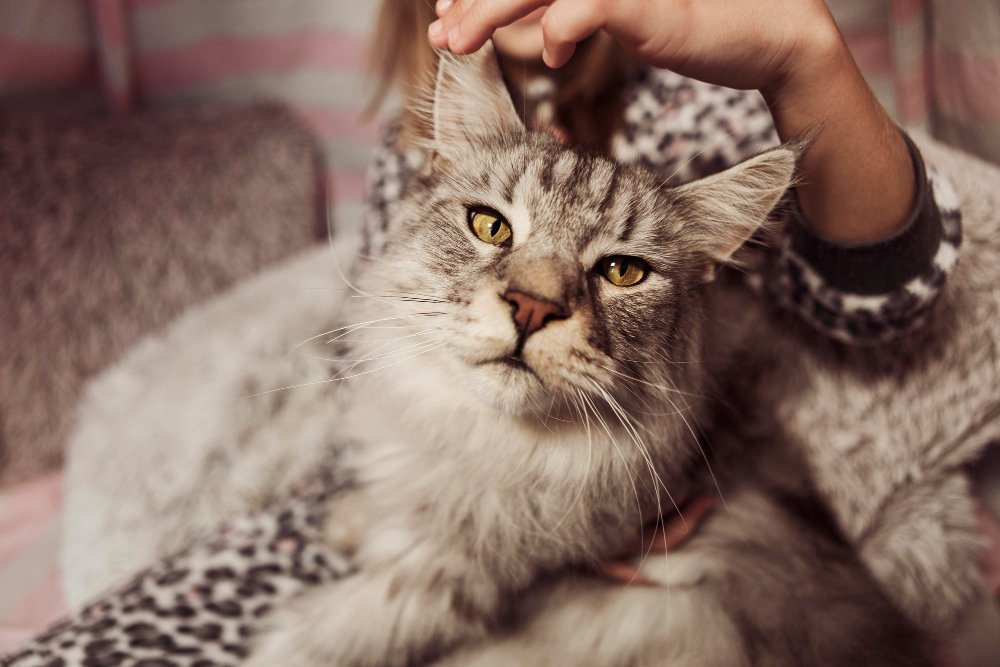
Genetic conditions are the defining health concern for this breed. Responsible breeders test for the conditions below before breeding; responsible buyers ask for documentation of those results.
1. Hypertrophic Cardiomyopathy (HCM) - The #1 Priority
Hypertrophic cardiomyopathy is the most common heart disease in cats, and Maine Coons are among the breeds most significantly affected. According to the Cornell University College of Veterinary Medicine's Feline Health Center, HCM causes the muscular walls of the heart's left ventricle to thicken, reducing pumping efficiency and predisposing cats to congestive heart failure, arrhythmias, and potentially fatal blood clots (thromboembolism).
The genetic link in Maine Coons is well-established. A mutation in the MYBPC3 gene (specifically the A31P variant) has been identified in Maine Coon cats with familial HCM. Cats carrying two copies of this mutation face a higher risk of developing severe disease at a younger age. Critically, Cornell notes that a negative DNA test does not fully rule out HCM - cats without the known variant can still develop the condition, which is why echocardiographic screening remains essential throughout a cat's life.
Symptoms to watch for:
- Labored, rapid, or open-mouthed breathing
- Lethargy and reduced activity
- Sudden hind-limb weakness or paralysis (sign of thromboembolism)
- Fainting or sudden collapse
Diagnosis: Echocardiography (cardiac ultrasound) is the gold standard. High blood pressure and hyperthyroidism must be ruled out first, as both can mimic HCM on imaging.
Treatment: There is no cure, but medication can control heart rate, reduce fluid buildup in the lungs, and lower clot risk. Cornell researchers are currently studying rapamycin as a therapy that may slow the progression of heart muscle thickening - early trial results are promising.
Breeder requirement: Ask for echocardiogram results for both parents, ideally performed by a board-certified veterinary cardiologist within the past 12–24 months.
2. Spinal Muscular Atrophy (SMA)
Spinal muscular atrophy is a neuromuscular disease caused by the loss of spinal cord motor neurons that control hind-limb muscles. It is inherited as an autosomal recessive trait, meaning a kitten must inherit two copies of the defective gene to be affected.
Symptoms typically appear at 3–4 months of age:
- Hind-limb weakness and an unsteady, swaying gait
- Difficulty jumping onto furniture
- Fine muscle tremors in the back legs
- Progressive muscle wasting in the hindquarters
- Abnormal posture, with hocks held close together
SMA does not cause pain, and affected cats can live relatively normal lives with environmental modifications - ramps instead of stairs, low-sided litter boxes, food and water at floor level. There is no curative treatment; management is entirely supportive.
DNA test: Available. A simple cheek-swab test identifies carriers and affected cats. Responsible breeders test all breeding cats and do not pair two carriers.
3. Hip Dysplasia
Hip dysplasia is significantly more common in Maine Coons than in most other cat breeds. Studies have found radiographic evidence of feline hip dysplasia (FHD) in approximately 24–37% of screened Maine Coons, with males slightly more affected than females. The breed's large body size places greater mechanical stress on hip joints, accelerating joint degeneration.
Symptoms:
- Reluctance or inability to jump
- Stiffness after rest, especially in the morning
- Hind-limb lameness or a "bunny-hopping" gait
- Sensitivity or pain when hips are touched
- Muscle loss in the hindquarters
- Difficulty squatting or grooming the lower back
Diagnosis: Hip dysplasia is confirmed by radiograph (X-ray), not DNA test. Screening is recommended after 10 months of age, and cats with moderate-to-severe dysplasia should not be used for breeding.
Management: Pain management with NSAIDs (under veterinary supervision), joint supplements (glucosamine, omega-3 fatty acids), weight control, and physical therapy. Severe cases may require surgical intervention.
4. Polycystic Kidney Disease (PKD)
PKD is far more prevalent in Persian-type cats, but it does occur in Maine Coons at a lower rate. The disease causes fluid-filled cysts to develop in the kidneys, gradually replacing functional kidney tissue. Early-stage PKD is often silent; clinical signs typically emerge in middle-aged to older cats as kidney function declines.
Symptoms (usually appearing from age 3–10):
- Increased thirst and urination
- Weight loss and reduced appetite
- Vomiting and lethargy
- Dull, unkempt coat
- Dehydration
Diagnosis: Ultrasound is the most reliable method. Genetic testing (PKD1 mutation) is available and can identify affected cats before symptoms develop. Routine bloodwork (elevated BUN/creatinine) and urinalysis can detect kidney dysfunction but do not diagnose PKD on their own.
Management: There is no cure. Treatment focuses on slowing kidney disease progression through dietary management (phosphorus-restricted, high-quality protein diets), hydration support, and managing secondary complications.
5. Pyruvate Kinase Deficiency (PKDef)
Pyruvate kinase deficiency is an inherited enzyme deficiency that causes hemolytic anemia - the premature destruction of red blood cells. It is inherited as an autosomal recessive trait and is testable by DNA.
Symptoms:
- Lethargy and weakness
- Pale or yellowish gums (jaundice)
- Rapid breathing
- Enlarged abdomen (due to an enlarged spleen)
- Poor growth in kittens
The severity varies widely. Some affected cats compensate reasonably well for years; others develop severe, life-threatening anemia. The UC Davis Veterinary Genetics Laboratory offers a validated DNA test for Maine Coons. Affected cats should not be bred.
Maine Coon Health Testing Table
|
Condition |
DNA Test Available |
Recommended Screening |
|
Hypertrophic Cardiomyopathy (HCM) |
Yes (MYBPC3 A31P) - not sufficient alone |
Echocardiogram every 1–2 years; DNA test for breeders |
|
Spinal Muscular Atrophy (SMA) |
Yes |
Once, before breeding |
|
Hip Dysplasia |
No - radiograph required |
X-ray after 10 months; annually for symptomatic cats |
|
Polycystic Kidney Disease (PKD) |
Yes (PKD1) |
DNA test + ultrasound; annual bloodwork in adults |
|
Pyruvate Kinase Deficiency (PKDef) |
Yes |
Once, before breeding |
Part 2: Age-Related Conditions
Maine Coons are considered seniors at around 7–8 years of age. The following conditions become increasingly relevant as your cat ages.
Arthritis (Osteoarthritis)
Arthritis is one of the most underdiagnosed conditions in older cats, partly because cats instinctively hide pain. In Maine Coons, the breed's large frame and high prevalence of hip dysplasia make osteoarthritis particularly common in the hind limbs, hips, and spine.
Signs that owners often miss:
- Reduced jumping height or frequency
- Hesitation before climbing stairs
- Sleeping more, playing less
- Matted fur on the lower back (difficulty grooming)
- Irritability when touched near the hips or spine
- Changes in litter box use (avoiding a high-sided box)
What to do: Schedule a veterinary exam if you notice any of the above. Diagnosis is confirmed by physical examination and radiographs. Treatment options include prescription pain medications, joint supplements, environmental modifications (ramps, heated beds, low-entry litter boxes), and in some cases, laser therapy or acupuncture.
Cognitive Dysfunction (Feline Dementia)
Feline cognitive dysfunction syndrome (CDS) is the cat equivalent of dementia. It is more common than most owners realize, with studies suggesting that over 50% of cats aged 11–15 show at least one sign of cognitive decline.
Signs of cognitive dysfunction in Maine Coons:
- Vocalizing loudly at night for no apparent reason
- Appearing confused or disoriented, even in familiar rooms
- Forgetting the location of the litter box or food bowl
- Reduced interaction with family members
- Staring at walls or into space
- Changes in sleep-wake cycles (awake at night, sleeping all day)
What to do: Cognitive dysfunction is a diagnosis of exclusion - your vet will rule out hyperthyroidism, hypertension, pain, and sensory loss first. Management includes environmental enrichment, puzzle feeders, consistent routines, and in some cases, prescription diets or supplements formulated to support brain health.
Diabetes Mellitus
Diabetes is more common in older, overweight, neutered male cats - a profile that fits many Maine Coons. The condition occurs when the pancreas fails to produce enough insulin (Type 1) or when cells become resistant to it (Type 2, more common in cats).
Symptoms:
- Dramatically increased thirst and urination
- Weight loss despite a normal or increased appetite
- Weakness in the hind legs (diabetic neuropathy - a distinctive feline sign)
- Lethargy
- Unkempt coat
What to do: We diagnose diabetes with blood glucose and urine glucose tests. It is manageable - many cats achieve diabetic remission with a high-protein, low-carbohydrate diet and insulin therapy. Weight management is the single most effective preventive measure. See our Maine Coon diet guide for feeding strategies that support a healthy weight.
Part 3: Infectious and Respiratory Diseases
Feline Calicivirus (FCV)
Feline calicivirus is one of the primary causes of upper respiratory infection in cats. It spreads through direct contact with infected cats or contaminated surfaces and is particularly relevant in multi-cat households and catteries.
Symptoms:
- Sneezing and nasal discharge
- Eye discharge and conjunctivitis
- Mouth ulcers, drooling, and difficulty eating
- Fever and lethargy
- In severe cases: pneumonia or systemic illness
Prevention:
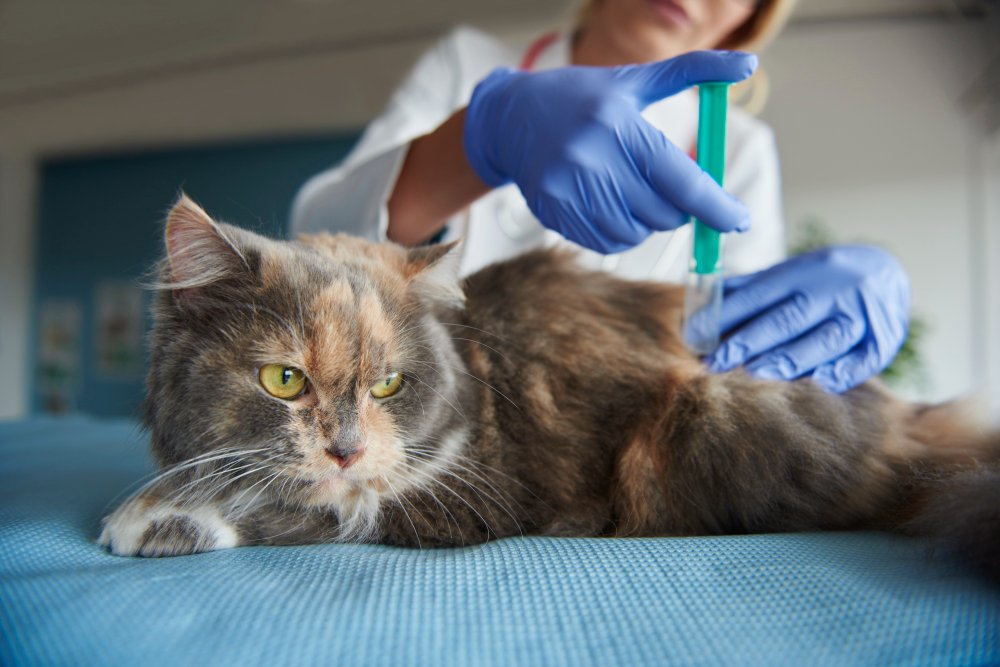
- Keep core vaccinations current - the FVRCP vaccine (which includes FCV) is considered a core vaccine by the American Veterinary Medical Association (AVMA) for all cats.
- Isolate new cats for at least two weeks before introducing them to resident cats.
- Disinfect shared food bowls, litter boxes, and bedding regularly - bleach-based solutions are effective against FCV.
- Reduce stress, which can trigger viral shedding in carrier cats.
Feline Coronavirus (FCoV) and Feline Infectious Peritonitis (FIP)
Feline coronavirus (FCoV) is extremely common in cats, especially those in multi-cat environments. In most cases, it causes only mild or no gastrointestinal symptoms. The serious concern arises when FCoV mutates within an individual cat into the virus that causes feline infectious peritonitis (FIP) - a historically fatal disease that is now treatable in many cases with antiviral medications.
Maine Coons in catteries or multi-cat households face higher exposure risk due to fecal-oral transmission of FCoV.
Symptoms of FIP:
- Persistent fever unresponsive to antibiotics
- Lethargy and progressive weight loss
- Fluid accumulation in the abdomen (wet/effusive form) - visible as a swollen belly
- Fluid in the chest cavity causing labored breathing
- Jaundice (yellow gums, eyes, or skin)
- Neurological signs: wobbliness, seizures, or eye changes
Prevention:
- Maintain strict litter box hygiene - scoop daily, use one box per cat plus one extra.
- Minimize overcrowding in multi-cat households.
- Reduce stress, which can promote viral mutation.
- Ask your vet about FCoV antibody titer testing if you have a multi-cat household.
Important: FIP is now treatable. If your cat is diagnosed, ask your veterinarian about antiviral treatment options (GS-441524 and related compounds), which have achieved remission in a significant proportion of treated cats.
Part 4: Digestive Issues
Diarrhea
Occasional loose stools are common in Maine Coons and usually resolve within 24–48 hours. Persistent or severe diarrhea always warrants veterinary attention.
Common causes:
- Sudden diet changes
- Food intolerance or sensitivity (chicken, fish, and grains are frequent culprits)
- Intestinal parasites (roundworms, giardia, coccidia)
- Stress or environmental change
- Bacterial or viral infection
- Inflammatory bowel disease (IBD) in chronic cases
Home management for mild, short-term diarrhea:
- Maintain consistent feeding - avoid switching foods abruptly
- Ensure fresh water is always available (diarrhea increases dehydration risk)
- Feed small, frequent meals of an easily digestible diet
- A vet-guided elimination diet can identify food sensitivities
See a vet if: diarrhea lasts more than 48 hours, contains blood or mucus, is accompanied by vomiting or lethargy, or if the cat is a kitten or senior.
Vomiting
Occasional vomiting (once or twice a month) is relatively normal in cats. Frequent vomiting - more than once a week - is not normal and requires investigation.
Common causes in Maine Coons:
- Eating too quickly (common in large, food-motivated cats)
- Hairballs
- Food intolerance
- Gastritis
- Foreign body ingestion
- Systemic illness (kidney disease, hyperthyroidism, diabetes)
Management: Slow-feeder bowls can reduce vomiting from eating too quickly. Consistent, high-quality diet reduces food-sensitivity reactions. If vomiting is frequent, your vet may recommend bloodwork, urinalysis, or imaging to rule out underlying disease.
Hairballs
Maine Coons' long, dense coats make them more prone to hairballs than short-haired breeds. Most hairballs are expelled by vomiting, but large accumulations can cause intestinal obstruction - a medical emergency.
Prevention:
- Brush your Maine Coon at least 2–3 times per week to remove loose fur before it is ingested
- Feed a hairball-control diet or add a fiber supplement as directed by your vet
- Provide cat grass or a small amount of plain pumpkin puree as a natural fiber source
- Ensure adequate hydration (wet food helps)
See a vet if your cat retches repeatedly without producing a hairball, has a distended abdomen, stops eating, or appears in distress.
Part 5: Preventive Care for Maine Coons
Proactive care is the most cost-effective investment you can make in your Maine Coon's health. The following schedule and checklist reflect current best practices.
Annual Vet Schedule by Life Stage
|
Life Stage |
Age |
Visit Frequency |
Key Priorities |
|
Kitten |
0–6 months |
Every 3–4 weeks |
Vaccines, deworming, parasite screening, baseline exam |
|
Young adult |
1–3 years |
Annually |
Baseline echocardiogram, full physical, dental check |
|
Adult |
3–7 years |
Annually |
Full physical, bloodwork, urinalysis, cardiac assessment, weight monitoring |
|
Senior |
7+ years |
Every 6 months |
Bloodwork, urinalysis, blood pressure, thyroid, kidney function, joint assessment |
What to Ask Your Breeder - Health Testing Checklist
Before purchasing a Maine Coon kitten, request documentation of the following:
- HCM echocardiogram results for both parents (performed by a veterinary cardiologist within 12–24 months)
- SMA DNA test results (clear/carrier/affected) for both parents
- PKDef DNA test results for both parents
- PKD DNA test or ultrasound results (especially if any Persian ancestry is suspected)
- Hip X-ray results for breeding cats (ideally graded by a specialist)
- A written health guarantee covering genetic conditions for a minimum of 2 years
A reputable breeder will provide all of this documentation without hesitation. Walk away from any breeder who cannot produce cardiac screening results.
Diet and Weight Management
Obesity is a major risk multiplier for Maine Coons - it worsens joint disease, increases diabetes risk, and strains the cardiovascular system. Maine Coons are large cats with large appetites, and free-feeding dry kibble is a common path to weight gain.
Key principles:
- Feed measured portions 2–3 times daily rather than free-feeding
- Prioritize high-protein, moderate-fat, low-carbohydrate diets - this mirrors a cat's natural nutritional profile and reduces diabetes risk
- Wet food supports hydration and helps prevent urinary and kidney issues
- Weigh your cat monthly; a healthy adult Maine Coon typically ranges from 8–18 lbs depending on sex and frame
- Adjust calories as your cat ages and activity levels change
For detailed feeding guidance by life stage, see our Maine Coon diet guide.
Part 6: When to See a Vet - Red Flag Symptoms
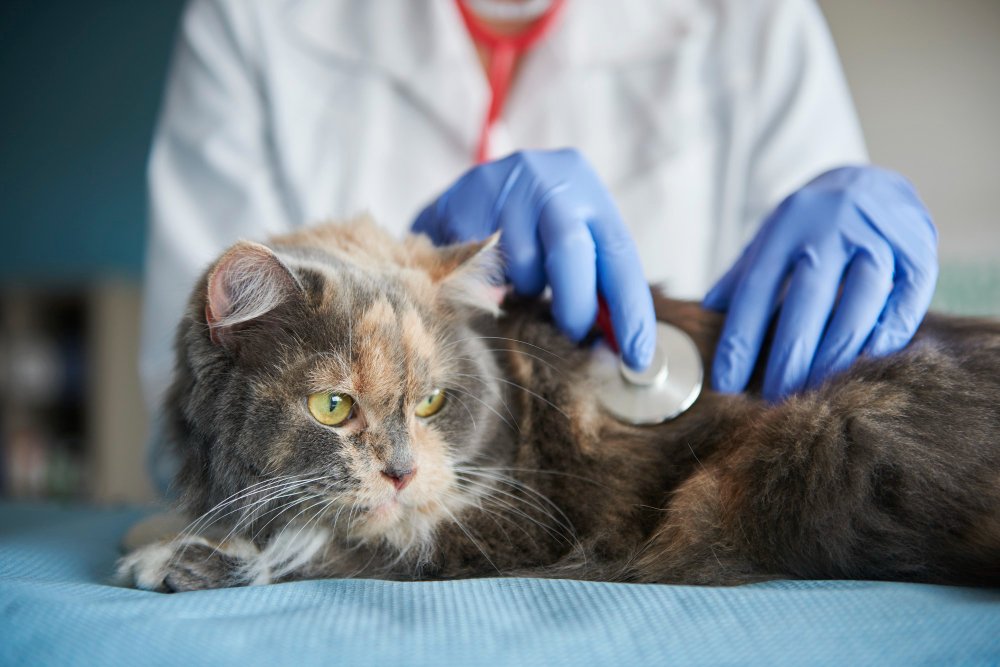
The following symptoms require prompt veterinary attention - do not wait for a scheduled appointment:
- Labored, open-mouthed, or rapid breathing - possible heart failure or respiratory crisis
- Sudden hind-limb weakness or paralysis - possible aortic thromboembolism (a cardiac emergency)
- Swollen or distended abdomen - possible FIP, organ enlargement, or internal bleeding
- Persistent fever (rectal temperature above 102.5°F / 39.2°C) - sign of infection or systemic disease
- Yellow gums, eyes, or skin (jaundice) - liver disease, FIP, or severe anemia
- Not eating for more than 24 hours - cats are at risk for hepatic lipidosis (fatty liver disease) with even short fasting periods
- Blood in urine, stool, or vomit - requires same-day evaluation
- Seizures or sudden behavioral change - neurological emergency
- Repeated retching without producing a hairball - possible intestinal obstruction
- Extreme lethargy or unresponsiveness - any systemic crisis
The AVMA recommends that cat owners establish a relationship with a veterinarian before an emergency arises, so that your cat's baseline health is documented and your vet can act quickly when something changes.
Petzooie's Take
Petzooie's Take: The Maine Coon's health risks are real, documented, and manageable - but only if you take them seriously from day one. A breeder who can't produce cardiac screening results is not a breeder worth buying from. A vet who doesn't know the breed's predispositions is not the right vet. This breed rewards owners who are proactive. It punishes those who aren't.
Frequently Asked Questions About Maine Coon Health Problems
What is the most common health problem in Maine Coons?
Hypertrophic cardiomyopathy (HCM) is the most common and most serious health problem in Maine Coons. It is a genetic heart disease that causes the heart's walls to thicken, reducing pumping efficiency. The Cornell University College of Veterinary Medicine identifies Maine Coons as one of the breeds most significantly affected by HCM. Regular echocardiographic screening - ideally every one to two years - is the most important preventive step any Maine Coon owner can take.
Do all Maine Coons get heart disease?
No. Not all Maine Coons develop HCM, but the breed has a documented genetic predisposition. Cats that test negative for the MYBPC3 A31P mutation can still develop HCM, so a negative DNA test is not a guarantee of a healthy heart. Echocardiographic screening throughout a cat's life remains essential, regardless of genetic test results.
What genetic tests should a Maine Coon breeder perform?
Responsible breeders should test for HCM (via echocardiogram and MYBPC3 DNA test), spinal muscular atrophy (SMA DNA test), pyruvate kinase deficiency (PKDef DNA test), and polycystic kidney disease (PKD DNA test or ultrasound). Hip dysplasia screening via radiograph is also recommended. Ask for written documentation of all results before purchasing a kitten.
How long do Maine Coons live, and what affects their lifespan?
Maine Coons typically live 12–15 years, with some reaching their late teens. Lifespan is most significantly affected by cardiac health (HCM is a leading cause of premature death), weight management, preventive veterinary care, and early detection of genetic conditions. Cats from health-tested breeding lines and those receiving regular veterinary care consistently live longer.
Can Maine Coon health problems be prevented?
Many cannot be prevented outright, but they can be detected early and managed effectively. Genetic testing before breeding reduces the incidence of inherited conditions in future generations. Regular echocardiograms catch HCM before it becomes symptomatic. Weight management prevents diabetes and reduces joint disease severity. Vaccinations prevent FCV and other infectious diseases. The combination of a health-tested kitten, regular vet visits, and a high-quality diet is the most effective prevention strategy available.
What are the signs of pain in a Maine Coon?
Cats are instinctive pain hiders, which makes recognition challenging. Signs of pain in Maine Coons include: reduced activity or reluctance to jump, changes in grooming habits (over-grooming or under-grooming), hiding more than usual, changes in appetite, increased vocalization (especially at night), aggression or irritability when touched, altered facial expression (squinted eyes, flattened ears, tense muzzle), and changes in litter box behavior. If you notice any of these signs, schedule a veterinary exam - do not assume your cat is simply "getting older."
Is Maine Coon epilepsy a common problem?
Epilepsy and seizure disorders are not among the most common Maine Coon health problems, but they do occur. Seizures in cats can be caused by idiopathic epilepsy, brain tumors, toxin exposure, metabolic disorders (such as liver disease or low blood sugar), or infectious diseases. Any cat experiencing a seizure should be evaluated by a veterinarian promptly to identify the underlying cause.
What does heavy breathing in a Maine Coon mean?
Heavy, labored, or open-mouthed breathing in a Maine Coon is always a medical concern and should be treated as an emergency. The most common serious causes include congestive heart failure (from HCM), fluid around the lungs (pleural effusion, which can be a sign of FIP), severe respiratory infection, or an asthma attack. Do not wait - take your cat to a veterinary clinic immediately.
This article was written to reflect current veterinary guidelines as of September 2026. All medical content is intended for informational use only and does not constitute a diagnosis or treatment recommendation. For any health concern affecting your pet, please consult a licensed veterinarian.
Explore more pet care guidance at Petzooie - your trusted resource for pet owners.
Useful Sources
- Cornell University College of Veterinary Medicine - Feline Health Center: Hypertrophic Cardiomyopathy
- Cornell University College of Veterinary Medicine - Cardiology: HCM in Cats
- Cornell University College of Veterinary Medicine - Feline Health Center: Hip Dysplasia
- Cornell University College of Veterinary Medicine - Feline Health Center: Polycystic Kidney Disease
- UC Davis Veterinary Genetics Laboratory - Maine Coon HCM Test
- UC Davis Veterinary Genetics Laboratory - Maine Coon SMA Test
- UC Davis Veterinary Genetics Laboratory - PK Deficiency in Cats
- American Veterinary Medical Association (AVMA): avma.org
- Everycat Health Foundation - Hip Dysplasia in Maine Coon Cats
- Nature Scientific Reports (2019) - Prevalence and genetics of feline hip dysplasia


Comments
No comments yet. Be the first to share your thoughts.