
Sphynx Cat Mixed With Maine Coon

- 0
- 0

Quick Take: A cross between a Maine Coon and a Sphynx results in an exceptionally rare hybrid. Because the Sphynx hairless gene is recessive, first-generation (F1) offspring usually sport a short, plush coat rather than bare skin. Expect a muscular, highly social cat weighing between 11 and 18 pounds that requires proactive cardiovascular screening.
The Maine Coon Sphynx mix pairs two of the cat world's most distinct breeds: the massive, cold-hardy Maine Coon and the hairless, hyper-social Sphynx.
Because major feline registries like TICA and the CFA do not recognize designer hybrids, this cross is uncommon. It usually occurs through accidental matings or experimental hybrid breeding.
Understanding this cross requires looking past novelty to examine the underlying genetics, physical traits, care requirements, and clinical health realities.
Genetics: Why Most Mixes Are Not Hairless
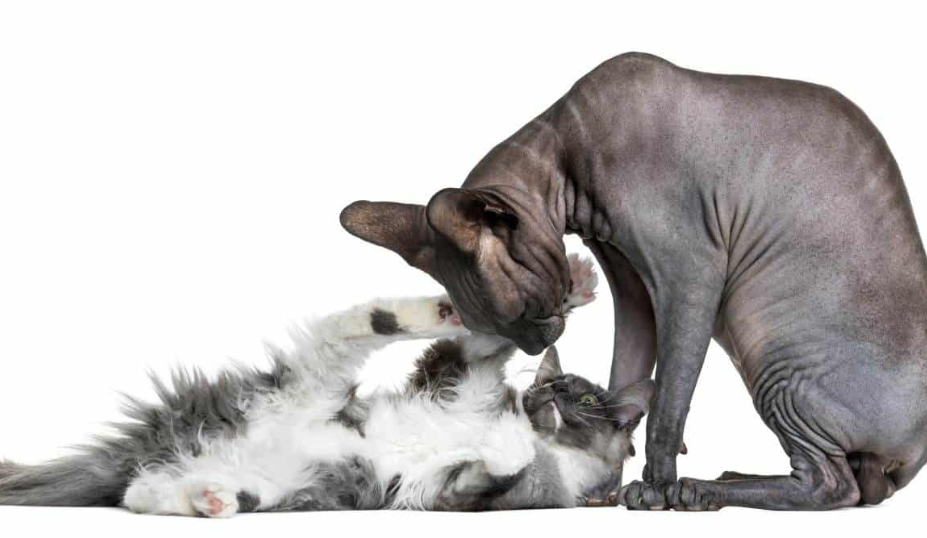
The biggest misconception about a Maine Coon x Sphynx hybrid is that it will be a giant, hairless cat. Basic feline coat genetics explain why this rarely happens:
-
The Hairless Gene ($hr$) is Autosomal Recessive: Both parents must pass down the mutated allele for a kitten to be hairless. Unless the Maine Coon parent secretly carries the recessive Sphynx gene (statistically improbable), an F1 (first-generation) cross will produce kittens with a normal, short coat.
-
Coat Texture: Instead of bare skin, most first-generation kittens have a short, dense coat with a velvety "suede" texture. Hairless or patchy coats typically only occur in backcrosses (an F1 hybrid bred back to a purebred Sphynx).
-
Ear and Facial Structure: Sphynx traits often dominate the head shape, producing wide-set, bat-like ears and prominent cheekbones, while the Maine Coon contributes a broader muzzle and sturdy bone structure.
Physical Traits & Size Comparison
Because this is a hybrid, adult size and appearance fall on a spectrum between the two parent lines.
| Trait | Maine Coon Parent | Sphynx Parent | Maine Coon x Sphynx Mix |
| Adult Weight | 13–25+ lbs | 6–12 lbs | 11–18 lbs |
| Shoulder Height | 10–16 inches | 8–10 inches | 10–14 inches |
| Coat Type | Heavy, long, triple-coat | Hairless to fine peach fuzz | Short, plush, or suede-like |
| Ear Conformation | Large, tufted lynx tips | Oversized, broad at base | Large, alert, minimal tufting |
| Body Frame | Long, rectangular, heavily boned | Medium, muscular, barrel-chested | Broad chest, muscular, medium-long |
| Average Lifespan | 12–15 years | 9–14 years | 10–14 years |
Males typically mature closer to the upper weight limit (15–18 lbs), while females remain in the 10–14 lb range. Full musculoskeletal maturity takes 2 to 3 years. To understand how this compares to a purebred's full growth timeline, check out our comprehensive Maine Coon breed guide.
Temperament and Behavioral Needs
Both ancestral breeds are known for "dog-like" sociability, making this hybrid demanding of human attention.
-
Velcro Attachment: Sphynx cats crave physical warmth and contact, while Maine Coons follow owners from room to room. This mix creates an interactive shadow prone to separation anxiety if left isolated for extended workdays.
-
Vocal Communication: Maine Coons trill and chirp; Sphynx cats use distinct vocal tones to demand attention. The mix rarely meows in a traditional pitch, preferring soft vocalizations and purrs.
-
Play Drive & Intelligence: These cats retain a high play drive well into adulthood. They require puzzle toys, sturdy vertical cat trees capable of supporting a 15-pound cat, and daily interactive play sessions to prevent destructive boredom.
Health Considerations: Hybrid Vigor Meets Breed Watchlist
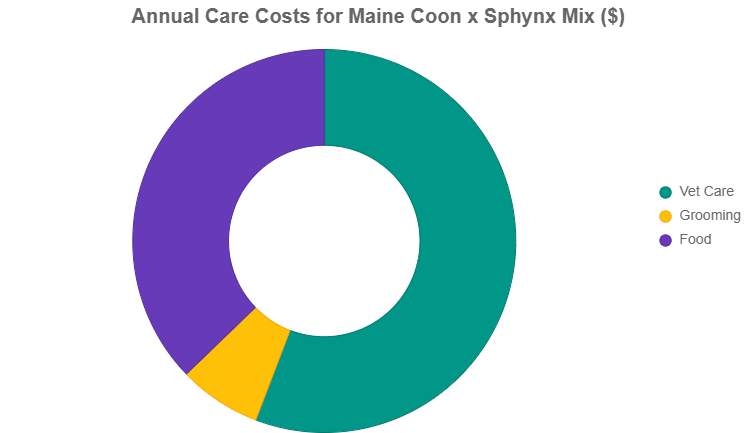
These mixes boast "heterosis" perks—diverse genes that can sidestep some purebred pitfalls—but inherit a hit list from both sides. Common concerns: Hypertrophic cardiomyopathy (HCM, heart thickening; screen parents via echo), hip dysplasia (joint laxity from the Maine Coon side), and skin issues (oily buildup or allergies if suede-coated). Sphynx lineage adds risks like sunburn or cold sensitivity, while Maine Coons flag dental woes and renal cysts. Vet tip: Annual check-ups, genetic testing ($100-300), and pet insurance ($20-50/month) are musts—hybrids average fewer issues but watch for obesity in their bigger frames.
Lifespan dips if unchecked (Sphynx average 7-14 years, Maine Coon 12-15), but proactive care hits 12+ easily. From forums: "My mix dodged HCM but needed skin wipes—totally worth it!"
Are They Hypoallergenic?
No. Cat allergies are triggered primarily by the Fel d 1 protein, which is secreted in feline saliva, sebaceous glands, and perianal glands—not the fur itself. Sphynx cats produce normal levels of Fel d 1; when they groom, the protein dries on their skin and sheds via dander. A Maine Coon x Sphynx cross is not hypoallergenic and will cause reactions in sensitive individuals.
Care and Husbandry Routine
Nutrition
Due to the Sphynx’s higher metabolic rate (compensating for heat regulation) combined with the Maine Coon’s heavy muscle mass, this mix requires a dense, protein-forward diet:
-
Feed an AAFCO-compliant diet where animal protein is the primary ingredient.
-
Incorporate wet food daily to promote hydration and reduce urinary tract load.
-
Target caloric intake based on resting energy requirements (typically 250–380 kcal/day depending on neuter status and activity).
Grooming & Hygiene
-
Coat: Weekly brushing with a soft bristle brush distributes natural skin oils across their short coat.
-
Bathing: Unlike a pure Sphynx, which requires regular sponge baths, this mix only needs bathing once every 6 to 8 weeks if oily residue accumulates.
-
Ears & Claws: Clean the ear canals weekly with a veterinary-grade cleaner; Sphynx genetics tend to produce dark, waxy sebum. Regularly wipe nail beds to prevent oil buildup around the claw sheaths.
Adoption, Sourcing, and Estimated Costs
Reputable preservation breeders rarely produce this cross intentionally. Be cautious of "designer" catteries selling unregulated litters at inflated prices.
-
Adoption/Rescue ($100 – $300): Search municipal shelters or breed-specific rescues (Maine Coon Rescue, Sphynx Open Arms Rescue) for mixed-breed listings.
-
Private Sourcing ($800 – $1,800): If considering a private breeder, verify that the parents have been screened via echocardiogram for HCM, checked for SMA (Spinal Muscular Atrophy), and cleared of feline leukemia (FeLV) and FIV.
Frequently Asked Questions
Will a Maine Coon Sphynx kitten stay hairless?
Generally, no. Unless both parents carry the recessive hairless mutation, first-generation litters will have a short, suede-like coat of fur.
How much do these cats shed?
They shed significantly less than a long-coated Maine Coon, but they are not non-shedding. Their fine, short coat sheds minimally throughout seasonal changes.
Are they suitable for first-time owners?
They make affectionate pets, but their high need for companionship, susceptibility to separation anxiety, and potential cardiac monitoring make them best suited for owners with previous pet experience.
References
-
Feline Coat Genetics & Hairlessness: Lyons Feline Genetics Laboratory (UC Davis Veterinary Medicine) – https://vgl.ucdavis.edu/test/sphynx-hairless
-
Feline Hypertrophic Cardiomyopathy (HCM) Screening Guidelines: American College of Veterinary Internal Medicine (ACVIM) – https://www.acvim.org
-
Cat Allergen (Fel d 1) Distribution Study: National Center for Biotechnology Information (NCBI PubMed) – https://pubmed.ncbi.nlm.nih.gov/21802521/
-
Maine Coon Official Breed Standards: The International Cat Association (TICA) – https://tica.org/breeds/browse-all-breeds?view=article&id=857
-
Sphynx Official Breed Standards: The Cat Fanciers' Association (CFA) – https://cfa.org/sphynx/


Comments
No comments yet. Be the first to share your thoughts.