
Maine Coon Cat: The Complete Breed Guide (2026)


Medically reviewed September 2026. This article is for informational purposes only and does not substitute for professional veterinary diagnosis or treatment. Always consult a licensed veterinarian for your pet's health concerns.
Maine Coon Cat: The Complete Breed Guide (2026)
Quick Facts: Maine Coon Cat Breed Snapshot
|
Trait |
Details |
|---|---|
|
Origin |
Maine, United States |
|
Size |
Large to very large |
|
Male weight |
13–18 lbs (TICA) |
|
Female weight |
9–13 lbs (TICA) |
|
Height |
10–16 inches at the shoulder |
|
Body length |
Up to 40 inches (including tail) |
|
Lifespan |
12–15 years |
|
Temperament |
Gentle, playful, loyal, dog-like |
|
Shedding level |
Moderate to high |
|
Grooming needs |
2–4 brushings per week |
|
Hypoallergenic? |
No |
|
Good with kids? |
Yes |
|
Good with dogs? |
Yes |
|
Price range (2026) |
$1,200–$3,000+ (pet quality) |
What Is a Maine Coon Cat?
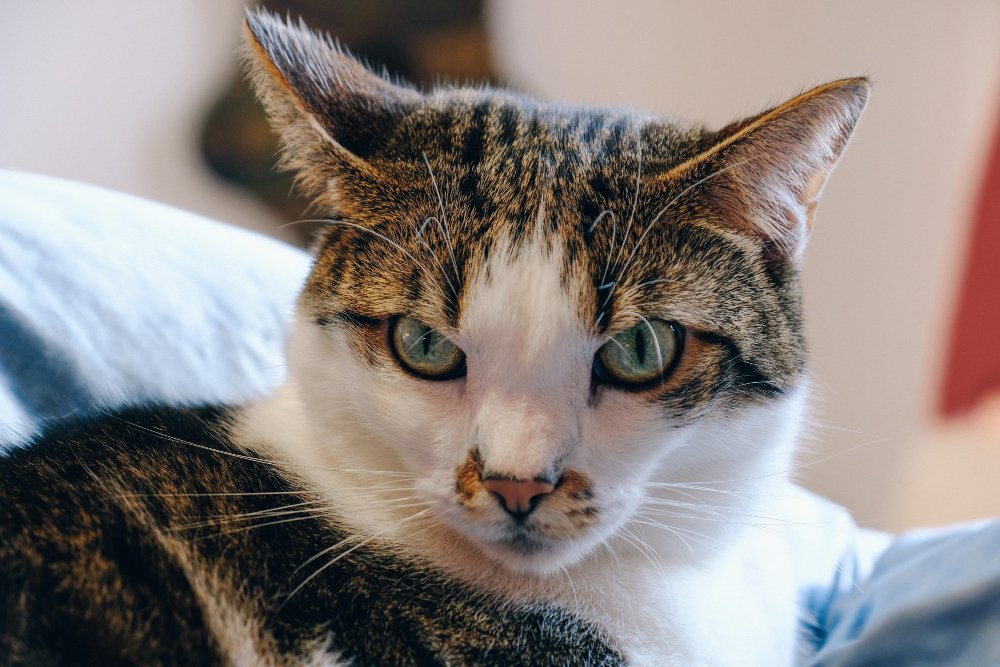
The first thing people say when they see one in person is: "I didn't know cats got that big."
The second thing they say, usually within five minutes, is: "I want one."
The Maine Coon is the largest domestic cat breed in the world - males regularly hit 15 to 18 pounds, some push past 20 - and they carry that size with a kind of unhurried confidence that makes them look like they know something you don't. Add the lion-like mane, the tufted ears, the bushy raccoon tail, and the fact that they'll follow you to the bathroom and chirp at you while you're in there, and you start to understand why this breed has one of the most devoted followings in the cat world.
They are also the official state cat of Maine, which feels appropriate.
No one knows exactly how Maine Coons came to be. The most credible theory is that they descended from longhaired cats brought to North America by early European settlers - likely Norwegian or Siberian seafarers - who interbred with local shorthaired cats over generations. The result was a rugged, cold-weather-adapted cat built for survival in harsh Maine winters. The "Coon" in the name comes from an old New England term for the breed, not from any actual raccoon ancestry (that's biologically impossible, but the legend persists because the tail really does look like one).
Maine Coons were popular show cats in the late 1800s. A brown tabby named Cosey won Best in Show at the first major American cat show at Madison Square Garden in 1895. The breed faded when Persians took over, then made a full comeback through dedicated revival efforts in the 1960s and 70s. The Cat Fanciers' Association granted Championship status in 1976. Today, the Maine Coon is consistently one of the most registered breeds in the US - and for good reason.
Maine Coon Size and Weight

Maine Coons are the largest domestic cat breed. Adult males typically weigh 13–18 lbs, while females weigh 9–13 lbs, according to The International Cat Association (TICA). Some males exceed 20 lbs without being overweight. They stand 10–16 inches tall at the shoulder and can reach up to 40 inches in body length including their tail.
One of the most important things prospective owners need to know: Maine Coons are slow to mature. Unlike most cat breeds that reach full size by 12 months, Maine Coons continue growing until they are 3 to 5 years old. Don't be surprised if your "fully grown" Maine Coon keeps filling out well into their third year.
Maine Coon Weight and Size by Age
The table below shows typical weight ranges for male and female Maine Coons from kittenhood to adulthood. Individual cats may fall outside these ranges depending on genetics, diet, and health.
|
Age |
Male Weight |
Female Weight |
|---|---|---|
|
3 months |
3–5 lbs |
2.5–4 lbs |
|
6 months |
5–9 lbs |
4–7 lbs |
|
9 months |
8–13 lbs |
6–10 lbs |
|
12 months |
10–15 lbs |
7–11 lbs |
|
2 years |
12–17 lbs |
8–12 lbs |
|
3–5 years (full adult) |
13–18 lbs |
9–13 lbs |
How big do Maine Coons get? The short answer: very big. A healthy adult male Maine Coon is larger than many small dog breeds. The world record holder, Barivel, measured 47.2 inches in length. Most pet Maine Coons won't reach that extreme, but a 15–18 lb male is entirely normal.
Maine Coon Temperament and Personality
Maine Coons are known for their gentle, sociable, and playful personality - often described as the most dog-like of all cat breeds. According to the Cat Fanciers' Association (CFA), Maine Coons are sociable, loyal, and quite intelligent, enjoying interaction with every family member rather than choosing a single favorite person.
Key personality traits include:
-
Affectionate without being clingy - they want to be near you, not necessarily on you
-
Highly intelligent and curious - they figure out how to open doors, retrieve toys, and solve puzzles
-
Playful well into adulthood - Maine Coons retain kitten-like energy for years
-
Vocal in a unique way - they chirp, trill, and chatter rather than meow loudly
-
Adaptable - they adjust well to new environments, people, and routines
Maine Coon personality is one of the breed's greatest selling points. These are not aloof, independent cats. They follow their owners from room to room, supervise household activities, and genuinely enjoy human company.
Are Maine Coons Good With Kids?
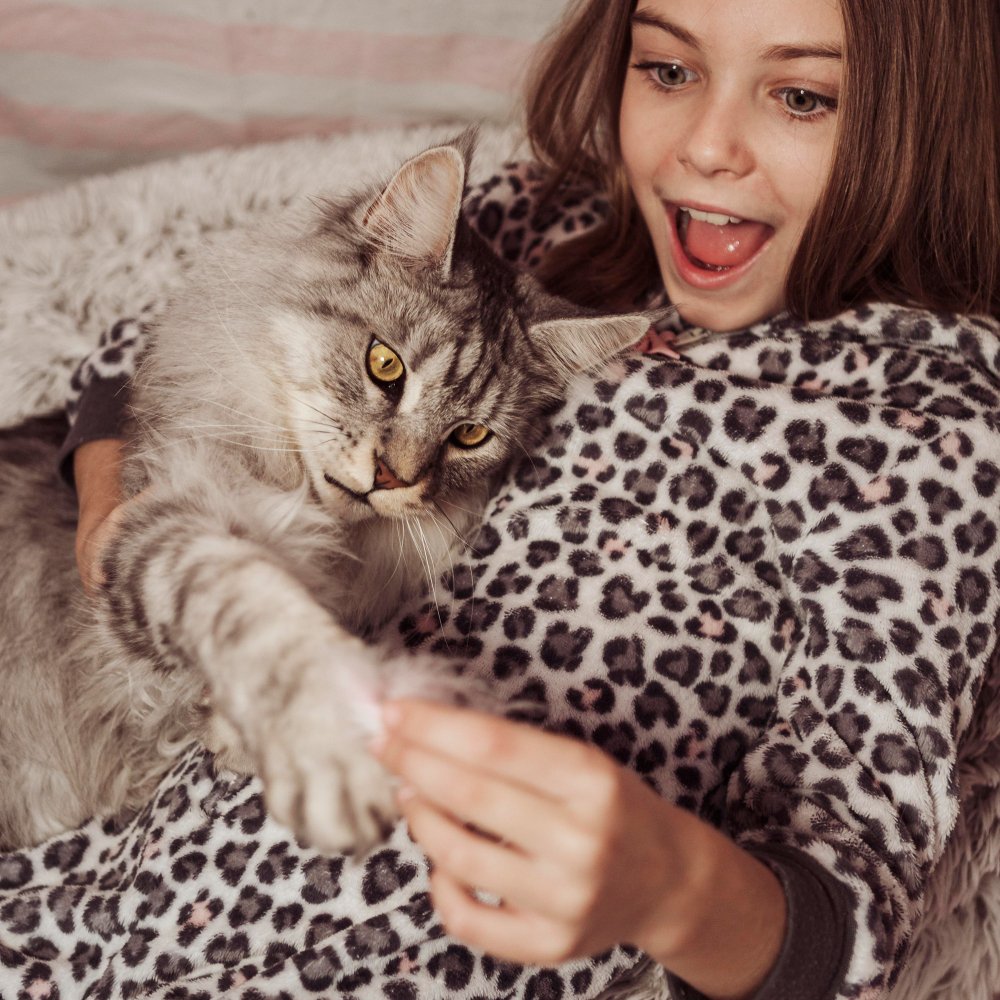
Yes - Maine Coons are excellent with children. Their large size means they are not easily intimidated by energetic kids, and their patient, gentle temperament makes them tolerant of handling. The CFA notes that Maine Coons get along well with children, though very young children should always be supervised around any cat.
Maine Coons are also playful enough to engage with older children in interactive games, making them a genuinely fun family pet rather than just a decorative lap cat.
Are Maine Coons Good With Dogs?
Yes - Maine Coons are one of the most dog-friendly cat breeds. Their confident, social nature means they rarely feel threatened by dogs. Many Maine Coon owners report their cats actively seeking out the family dog for companionship. Proper introductions are still important, but a well-socialized Maine Coon will typically adapt to a dog household without major issues.
Do Maine Coons Like Water?
Surprisingly, yes. Maine Coons have a well-documented fascination with water. The CFA notes that many will watch dripping faucets in fascination, wash their food or toys in water bowls, or even try to join their owners in the shower. This trait likely developed from their working-cat ancestors who lived near water sources in coastal Maine. It also makes bathing considerably easier than with most cat breeds.
Maine Coon Lifespan and Health
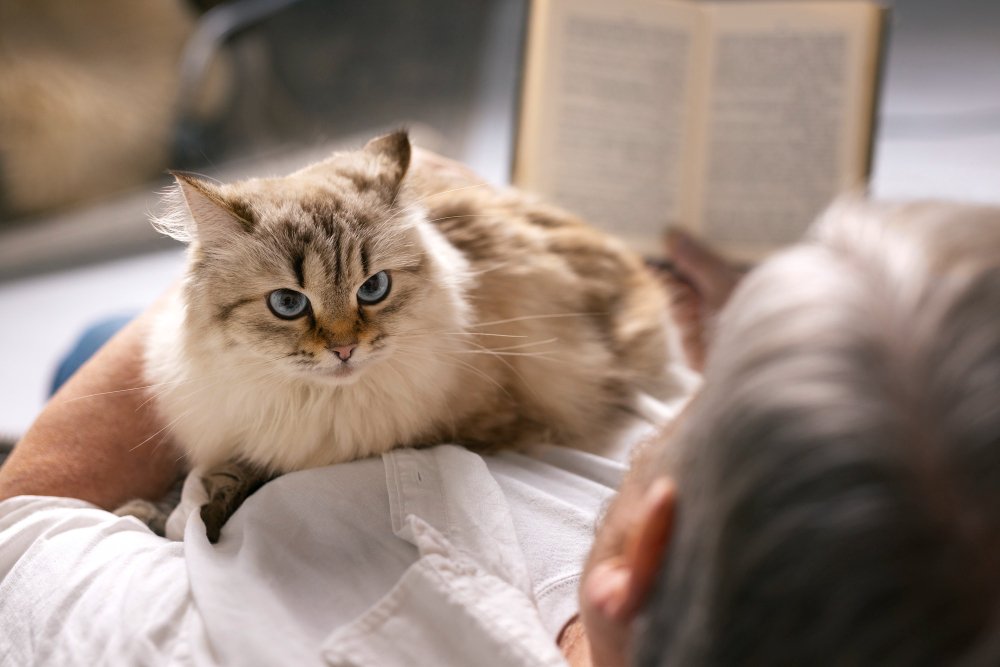
The average Maine Coon lifespan is 12 to 15 years. Well-cared-for indoor Maine Coons regularly reach their mid-teens. Genetics, diet, preventive veterinary care, and whether the cat lives indoors all play significant roles in longevity.
Common Maine Coon Health Problems
Maine Coons are generally a robust breed, but they are predisposed to several genetic health conditions. Every prospective owner - and every breeder - should be aware of the following:
1. Hypertrophic Cardiomyopathy (HCM) The most serious health concern in Maine Coons. HCM is a thickening of the heart muscle that can lead to congestive heart failure, blood clots (thromboembolism), and sudden death. According to the Cornell University College of Veterinary Medicine's cardiology service, cats with HCM but no clinical signs may live for years, while the prognosis worsens significantly once complications develop. A breed-specific genetic mutation (MYBPC3/A31P) is associated with inherited HCM in Maine Coons. DNA testing can identify carriers, but a negative test does not guarantee a cat will never develop HCM - annual echocardiograms are the gold standard for screening.
2. Spinal Muscular Atrophy (SMA) A genetic disorder that causes progressive muscle weakness in the hind limbs. Cats with SMA typically show signs by 3–4 months of age. While not painful, it does affect mobility. DNA testing can identify carriers and affected kittens.
3. Hip Dysplasia More common in Maine Coons than in other cat breeds, likely due to their large size. Hip dysplasia occurs when the hip joint doesn't develop properly, leading to arthritis and pain over time. The CFA notes that testing for hip dysplasia via X-ray is an important part of responsible breeding programs.
4. Polycystic Kidney Disease (PKD) A hereditary condition causing cysts to form in the kidneys. Less common in Maine Coons than in Persians, but still a concern worth screening for.
5. Pyruvate Kinase Deficiency (PK Deficiency) A blood disorder that affects red blood cell function and can cause hemolytic anemia. DNA testing is available.
Maine Coon Health Tests to Ask Breeders For
A reputable Maine Coon breeder will proactively share health testing results. Before purchasing a kitten, ask for documentation of:
-
HCM DNA test (MYBPC3/A31P mutation) - for both parents
-
Annual echocardiogram results - for breeding cats
-
SMA DNA test - for both parents
-
Hip dysplasia X-ray results - for breeding cats
-
PK Deficiency DNA test - for both parents
-
PKD DNA test - for both parents
Any breeder who cannot provide these results - or who dismisses these questions - is a red flag. Reputable breeders registered with the CFA or TICA are more likely to follow rigorous health testing protocols.
Maine Coon Grooming Needs
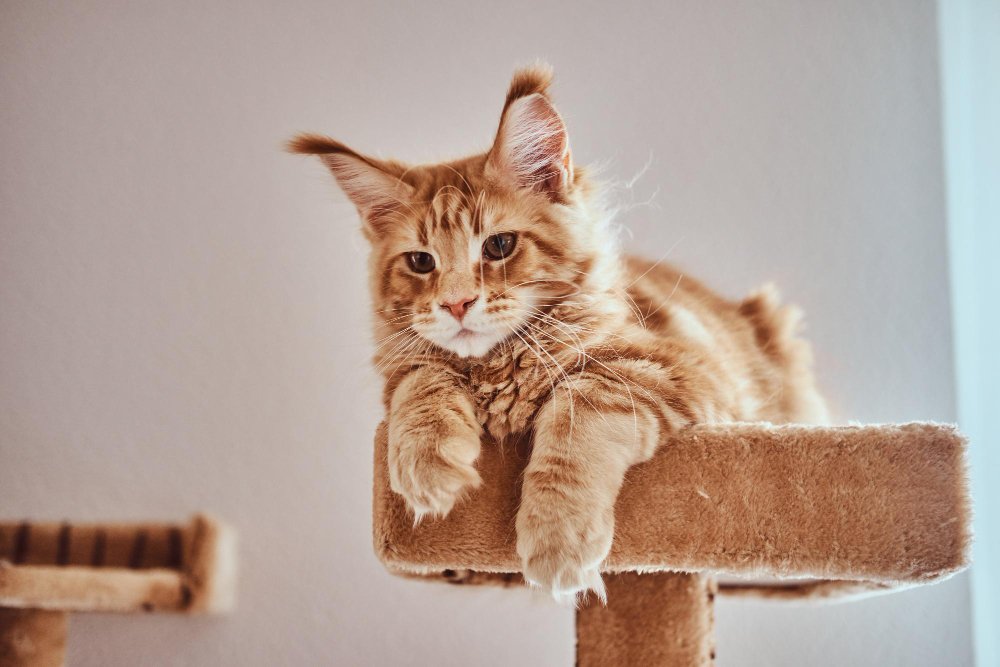
Maine Coon grooming is more involved than with short-haired breeds, but less demanding than many people expect. Their coat is silky rather than woolly, which means it is less prone to matting than breeds like Persians. With a consistent routine, grooming a Maine Coon is manageable for most owners.
Core grooming routine:
-
Brushing: 2–4 times per week with a stainless steel comb or slicker brush. Focus on the belly, armpits, and behind the ears - areas most prone to tangles.
-
Bathing: Every 4–8 weeks, or as needed. Maine Coons' water affinity makes bathing easier than with most cats. Use a cat-safe shampoo.
-
Nail trimming: Every 2–3 weeks.
-
Ear cleaning: Monthly, or whenever you notice buildup.
-
Dental care: Daily brushing is ideal; weekly at minimum. Dental disease is common in all cats.
Do Maine Coons Shed a Lot?
Yes - Maine Coons are moderate to heavy shedders. Their thick, multi-layered coat sheds year-round, with heavier seasonal shedding in spring and fall. Regular brushing dramatically reduces the amount of fur on furniture and clothing. A high-quality diet also supports coat health and reduces excessive shedding.
Invest in a good lint roller. You will use it.
Are Maine Coons Hypoallergenic?
No - Maine Coons are not hypoallergenic. Like all cats, they produce the protein Fel d 1, the primary allergen responsible for cat allergy reactions in humans. Fel d 1 is found in cat saliva, skin secretions, and dander - not just fur. No domestic cat breed is truly hypoallergenic, though some breeds produce lower levels of Fel d 1 than others. Maine Coons are not among the lower-producing breeds.
If you have cat allergies and are considering a Maine Coon, spend time with the specific cat before committing. Individual cats vary in how much Fel d 1 they produce, and your reaction may differ from cat to cat.
Maine Coon Diet and Nutrition
Maine Coons are large, active cats with higher caloric needs than the average domestic cat. Getting nutrition right is especially important during their extended growth period (up to 5 years) and as they age into their senior years.
Core dietary principles for Maine Coons:
-
High-protein diet - cats are obligate carnivores; protein should be the first ingredient in any food
-
Wet food is strongly recommended - helps maintain hydration, which supports kidney health
-
Avoid grain-heavy kibble - fillers like corn and wheat provide little nutritional value for cats
-
Caloric intake: Adult males typically need 300–400 calories per day; females 250–350 calories, adjusted for activity level and whether the cat is spayed/neutered
Feeding schedule:
|
Life stage |
Feeding frequency |
Notes |
|---|---|---|
|
Kitten (under 6 months) |
3–4 times daily |
High-calorie kitten formula |
|
Junior (6–12 months) |
2–3 times daily |
Transition to adult food gradually |
|
Adult (1–5 years) |
2 times daily |
Measure portions to prevent obesity |
|
Senior (10+ years) |
2 times daily |
Senior formula; monitor kidney function |
Foods to avoid:
-
Onions, garlic, and chives (toxic to cats)
-
Grapes and raisins (toxic)
-
Chocolate and caffeine (toxic)
-
Raw fish fed exclusively (can cause thiamine deficiency)
-
Cow's milk (most cats are lactose intolerant)
Maine Coons are prone to obesity if overfed, which puts additional stress on their joints and heart. Free-feeding (leaving food out all day) is not recommended. Measured portions at set mealtimes are the better approach.
Supplements: Most Maine Coons on a high-quality commercial diet do not need supplements. However, omega-3 fatty acids (fish oil) can support coat health and reduce shedding. Always consult your veterinarian before adding supplements.
Maine Coon Price: What to Expect in 2026
Maine Coon cats are not cheap. In 2026, a pet-quality kitten from a reputable, health-tested breeder typically costs $1,200 to $3,000. Show-quality kittens or those with breeding rights start around $3,000 and can exceed $5,000.
Maine Coon Price Breakdown
|
Category |
Price Range |
|---|---|
|
Pet-quality kitten (reputable breeder) |
$1,200–$3,000 |
|
Show-quality kitten |
$3,000–$5,000+ |
|
Rare color or imported bloodlines |
$5,000–$6,500+ |
|
Adult cat from a breeder |
$500–$1,500 |
|
Rescue or shelter adoption |
$75–$400 |
What Affects the Price?
Several factors influence how much you'll pay for a Maine Coon:
-
Pedigree and registration - CFA- or TICA-registered kittens from champion bloodlines cost more
-
Health testing - breeders who test for HCM, SMA, PKD, and hip dysplasia invest more in their program, and that's reflected in the price
-
Color and pattern - rare colors (silver, smoke, tortoiseshell) often command a premium
-
Geographic location - prices vary by region; major metro areas tend to be higher
-
Breeder reputation - established catteries with long waitlists charge more
What the Price Should Include
A legitimate Maine Coon breeder should include in the purchase price:
-
Health guarantee (typically 1–2 years for genetic conditions)
-
Veterinary health certificate
-
First vaccinations and deworming
-
Microchip
-
Registration papers (CFA or TICA)
-
Spay/neuter agreement (for pet-quality kittens)
Monthly Cost of Owning a Maine Coon
The purchase price is just the beginning. Budget for ongoing costs:
|
Expense |
Monthly estimate |
|---|---|
|
High-quality food |
$60–$120 |
|
Litter |
$20–$40 |
|
Routine vet care (annualized) |
$50–$100 |
|
Grooming supplies |
$10–$20 |
|
Toys and enrichment |
$10–$30 |
|
Pet insurance (recommended) |
$30–$60 |
|
Total |
~$180–$370/month |
Adoption is always an option. Maine Coons and Maine Coon mixes do appear in shelters and breed-specific rescues. Adoption fees are a fraction of breeder prices, and adult cats often come already spayed/neutered and vaccinated. Search local shelters and Maine Coon rescue organizations to find cats in need of homes.
Maine Coon vs Other Breeds
How does the Maine Coon compare to other popular large, longhaired breeds? The table below offers a quick side-by-side comparison.
|
Trait |
Maine Coon |
Ragdoll |
Norwegian Forest Cat |
Siberian |
|---|---|---|---|---|
|
Male weight |
13–18 lbs |
12–20 lbs |
12–16 lbs |
12–17 lbs |
|
Female weight |
9–13 lbs |
8–15 lbs |
8–12 lbs |
8–12 lbs |
|
Lifespan |
12–15 years |
12–17 years |
12–16 years |
12–15 years |
|
Temperament |
Playful, loyal, dog-like |
Docile, relaxed, people-focused |
Independent, athletic, friendly |
Affectionate, playful, adaptable |
|
Grooming |
2–4x/week |
1–3x/week |
2–3x/week |
2–4x/week |
|
Shedding |
Moderate–high |
Moderate |
Moderate–high |
Moderate–high (seasonal) |
|
Good with kids |
✅ Excellent |
✅ Excellent |
✅ Good |
✅ Good |
|
Good with dogs |
✅ Excellent |
✅ Good |
✅ Good |
✅ Good |
|
Hypoallergenic |
❌ No |
❌ No |
❌ No |
⚠️ Possibly lower Fel d 1 |
|
Price range |
$1,200–$3,000+ |
$1,000–$2,500+ |
$800–$2,000+ |
$1,200–$2,500+ |
Key takeaways:
-
Choose a Maine Coon if you want the most playful, dog-like personality and don't mind regular grooming
-
Choose a Ragdoll if you want the most laid-back, lap-cat temperament
-
Choose a Norwegian Forest Cat if you want an athletic, independent cat with a similar look
-
Choose a Siberian if allergies are a concern (Siberians may produce lower levels of Fel d 1)
Is a Maine Coon Right for You?
Maine Coons are wonderful cats - but they're not the right fit for everyone. Here's an honest look at the pros and cons.
|
✅ Pros |
❌ Cons |
|---|---|
|
Exceptionally friendly and social |
High purchase price ($1,200–$3,000+) |
|
Great with kids and dogs |
Moderate to heavy shedding |
|
Intelligent and trainable |
Requires regular grooming (2–4x/week) |
|
Unique, striking appearance |
Slow to mature (3–5 years to full size) |
|
Playful well into adulthood |
Prone to genetic health conditions (HCM, SMA) |
|
Adapts well to different households |
Needs significant space - not ideal for tiny apartments |
|
Fascination with water makes bathing easier |
Higher monthly costs than average-sized cats |
|
Long lifespan (12–15 years) |
Long waitlists at reputable breeders |
A Maine Coon is a great fit if you:
-
Want an affectionate, interactive cat that behaves more like a dog
-
Have children or other pets at home
-
Have space for a large cat to roam and play
-
Are committed to regular grooming and annual vet checkups
-
Can budget $1,500–$3,000 upfront and $200–$370/month ongoing
A Maine Coon may not be the best fit if you:
-
Have severe cat allergies
-
Live in a very small space with no room for a large, active cat
-
Prefer a low-maintenance, independent cat
-
Are not prepared for the grooming commitment
-
Cannot afford the purchase price or ongoing health screening costs
Petzooie's Take
Petzooie's Take: Maine Coons are not a casual commitment. The purchase price, the grooming schedule, the genetic health risks, the 12–15 year lifespan - all of it demands an owner who goes in with eyes open. What you get in return is one of the most rewarding cat-owning experiences available. But only if you're honest with yourself about what this breed actually requires before you fall in love with a photo online.
FAQ
What is a Maine Coon cat?
A Maine Coon cat is the largest domestic cat breed in the world, originating in the state of Maine. They are known for their large size, tufted ears, bushy tail, silky semi-longhaired coat, and exceptionally friendly, dog-like personality. The breed received CFA Championship status in 1976 and is one of the most popular cat breeds in the United States.
How big do Maine Coons get?
Adult male Maine Coons typically weigh 13–18 lbs and stand 10–16 inches tall at the shoulder, according to TICA. Females are smaller at 9–13 lbs. Maine Coons continue growing until they are 3 to 5 years old - significantly longer than most cat breeds. Some males exceed 20 lbs without being overweight.
What is the Maine Coon lifespan?
The average Maine Coon lifespan is 12 to 15 years. Well-cared-for indoor Maine Coons regularly reach their mid-teens. Genetic health conditions - particularly hypertrophic cardiomyopathy (HCM) - can shorten lifespan if undetected. Annual veterinary checkups and echocardiograms for HCM screening are strongly recommended.
What is the Maine Coon temperament like?
Maine Coons are gentle, playful, loyal, and highly social. They are often described as dog-like because they follow their owners around, enjoy interactive play, and get along well with children, dogs, and other cats. According to the CFA, Maine Coons enjoy interacting with every family member rather than bonding exclusively with one person. They communicate through chirps, trills, and purrs rather than loud meowing.
What are the most common Maine Coon health problems?
The most serious Maine Coon health problem is hypertrophic cardiomyopathy (HCM), an inherited heart condition. According to the Cornell University College of Veterinary Medicine, HCM can lead to heart failure, blood clots, and sudden death. Other notable health concerns include spinal muscular atrophy (SMA), hip dysplasia, polycystic kidney disease (PKD), and pyruvate kinase deficiency. DNA testing is available for most of these conditions and should be requested from breeders.
How much does a Maine Coon cat cost in 2026?
In 2026, a pet-quality Maine Coon kitten from a reputable, health-tested breeder typically costs $1,200 to $3,000. Show-quality kittens start around $3,000 and can exceed $5,000. Rare colors or imported bloodlines can reach $6,500 or more. Adopting a Maine Coon or Maine Coon mix from a shelter or rescue typically costs $75–$400.
Are Maine Coons hypoallergenic?
No - Maine Coons are not hypoallergenic. Like all cats, they produce the protein Fel d 1, the primary allergen responsible for cat allergy reactions. No domestic cat breed is truly hypoallergenic. If you have cat allergies, spend time with the specific cat before committing, as individual cats vary in how much Fel d 1 they produce.
How much grooming do Maine Coons need?
Maine Coons need brushing 2–4 times per week to prevent tangles and reduce shedding. Their silky coat is less prone to matting than woolly-coated breeds like Persians, but regular grooming is still essential. Bathing every 4–8 weeks is recommended. Nail trimming every 2–3 weeks and monthly ear cleaning complete the routine.
Do Maine Coons shed a lot?
Yes - Maine Coons are moderate to heavy shedders. They shed year-round, with heavier seasonal shedding in spring and fall. Regular brushing and a high-quality diet significantly reduce the amount of loose fur. A lint roller is a non-negotiable household item for Maine Coon owners.
Are Maine Coons good with kids and dogs?
Yes - Maine Coons are excellent with children and dogs. Their large size means they are not easily intimidated, and their patient, gentle temperament makes them tolerant of handling. The CFA notes that Maine Coons get along well with children and other animals. Proper introductions are still recommended, especially with dogs.
Useful Sources
The following authoritative sources were consulted in the preparation of this guide:
-
Cat Fanciers' Association (CFA) - Maine Coon Breed Profile: cfa.org/maine-coon-cat-article
-
The International Cat Association (TICA) - Maine Coon Breed Standard: tica.org
-
Cornell University College of Veterinary Medicine - Hypertrophic Cardiomyopathy (HCM): vet.cornell.edu/hospitals/services/cardiology/hypertrophic-cardiomyopathy-hcm
-
UC Davis Veterinary Genetics Laboratory - Maine Coon HCM DNA Test: vgl.ucdavis.edu/test/maine-coon-hcm
-
NC State Veterinary Hospital - Maine Coon HCM Genetics: hospital.cvm.ncsu.edu/services/small-animals/genetics/maine-coon-cat-hypertrophic-cardiomyopathy-hcm
-
American Veterinary Medical Association (AVMA): avma.org
-
Purina Institute - Fel d 1 and Cat Allergens: purinainstitute.com/science-of-nutrition/neutralizing-allergens/fact-vs-fiction
This article was written to reflect current veterinary guidelines as of September 2026. All medical content is intended for informational use only and does not constitute a diagnosis or treatment recommendation. For any health concern affecting your pet, please consult a licensed veterinarian.
Explore more pet care guidance at Petzooie - your trusted resource for pet owners.
.jpg)


Comments
No comments yet. Be the first to share your thoughts.