
Dog Park Etiquette: 5 Unspoken Rules Every Owner Should Follow


Here’s a scene that plays out at nearly every dog park in the country: a fight breaks out between two dogs, both owners insist "he’s never done that before," and a third owner standing nearby thinks, I could’ve told you that was coming.
That third owner isn’t psychic. They just know the unwritten rules—the ones that never make it onto the posted sign at the entrance, but govern almost everything about whether a dog park visit goes smoothly or ends in a vet bill.
The core truth about dog parks is this: the posted rules keep you legal, but the unspoken rules keep everyone safe. Leash laws, vaccination requirements, and cleanup policies matter, but they don't teach you how to actually read a dog park in motion. That skill is learned—usually the hard way—unless someone breaks it down for you first.
This guide covers the five unspoken rules that experienced dog park regulars follow instinctively, the behavioral science behind why they matter, and what to actually do when things start to go sideways.
Why Unspoken Rules Matter More Than the Posted Ones

Dog parks are, functionally, a controlled experiment in forced socialization. You're taking a group of dogs—different ages, temperaments, energy levels, and social histories—and putting them in an unfamiliar, high-stimulation space with minimal structure. In the wild or in a home environment, dogs would never be expected to navigate that kind of unfiltered group dynamic without any buffer.
Behaviorally, this creates a few predictable pressure points:
-
Arousal builds rapidly: In open, off-leash group settings, running, chasing, and barking can push even a well-socialized dog past their normal threshold for calm decision-making.
-
Body language is missed: Dogs constantly signal comfort, discomfort, and warning through posture, tail position, and movement—but many humans miss these signals until a growl or snap makes it obvious.
-
Stress is contagious: One mismanaged interaction can affect every dog in the park. A single scuffle can spike tension across the entire yard.
The five rules below exist specifically to manage these pressure points before they turn into full-blown incidents.
Rule #1: Know Your Dog’s Signals Before You Know the Park’s Layout
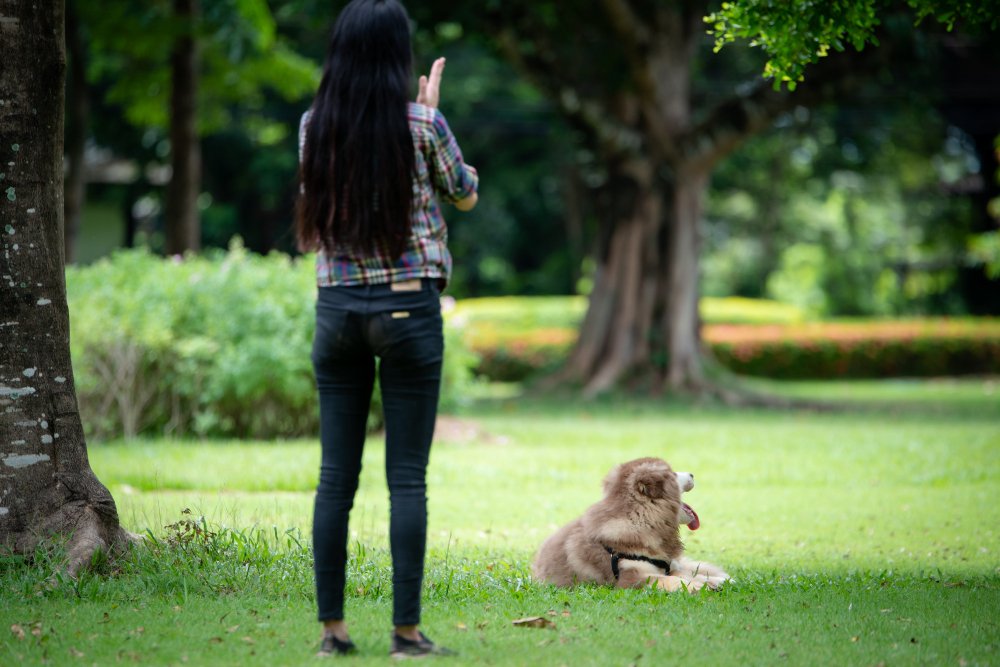
The single biggest mistake dog park owners make isn't a training failure—it's an attention failure. Too many owners treat the dog park as a break for themselves: a chance to check emails, scroll on their phone, or zone out while their dog "does its thing." But your dog is communicating constantly, and dog park safety depends on you actively watching.
Key Body Language Signals to Watch:
-
Play bow (front legs down, rear up): A clear invitation to play—generally a green light.
-
Loose, wiggly body with an open mouth: Comfortable, relaxed, and socially engaged.
-
Stiff body, weight shifted forward, tail high and rigid: Escalating arousal or tension—time to step in before it develops further.
-
Tail tucked, ears pinned back, "whale eye" (whites showing): High stress or fear—this dog needs an exit route, not more exposure.
-
Freezing or fixed staring at another dog: A precursor to a reactive burst—this is a "step in right now" moment, not a "wait and see" one.
The reason this rule comes first is simple: every other rule on this list depends on your ability to notice subtle shifts in behavior. An owner glued to their phone will miss the 10 to 15 seconds of warning signs that almost always precede a fight.
Most dog park incidents aren't sudden. They're the result of missed warning signs that built up over several minutes. Watching your dog isn't paranoid—it's your primary job while you're there.
Rule #2: Clear the "Airlock" and Never Rush the Gate
The double-gated entry system (the "airlock") is the most volatile area in any dog park. When a new dog enters, the dogs already inside often swarm the gate out of curiosity or territorial impulse. This creates an immediate pressure cooker for the incoming dog, who is trapped in a tight space with nowhere to turn.
Gate Etiquette Checklist:
-
Call your dog away when someone approaches the gate: If you see a new dog arriving, recall your dog to clear the entry zone. Never allow your dog to "mob" a newcomer at the fence.
-
Unleash inside the double gate before entering the main yard: A dog on a leash surrounded by off-leash dogs feels trapped and unable to use "flight" as an option. This triggers defensive leash reactivity. Unclip the leash inside the transition area before opening the inner gate.
-
Wait for the entry area to clear: If you are arriving and notice a crowd of dogs waiting at the inner gate, hold off on entering until the other owners call their dogs back.
Rule #3: Match Play Styles, Not Just Sizes
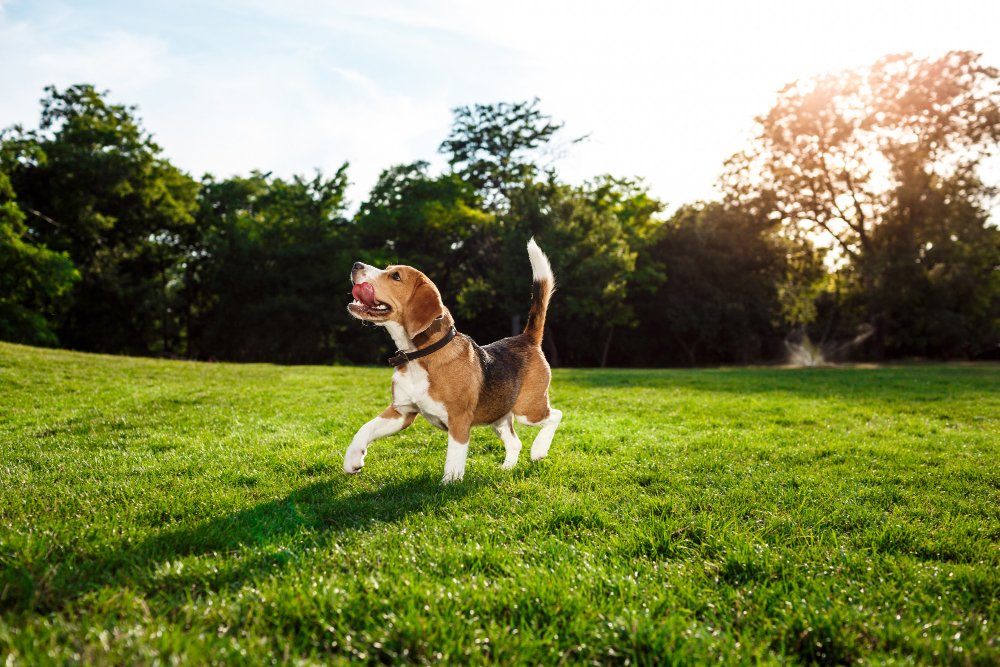
A common but flawed assumption is that physical size alone determines compatibility—put the big dogs together, put the small dogs together, and everything will sort itself out. In reality, play style mismatches cause far more fights than size mismatches.
Some dogs are "body slammers" who play rough, physical games involving tackling and mouthing. Others are "chasers" who prefer high-speed pursuit games. Still others are "inspectors" who prefer quiet sniffing and parallel walking over full-contact play. When these styles collide without management, what feels like play to one dog can feel like harassment to another.
How to Manage Play Styles in Real Time:
-
Check for reciprocity: Healthy play involves role-switching—the chaser becomes the chased; the dog on top rolls to the bottom. One-sided pursuit or pinning without breaks means the interaction has stopped being mutual.
-
Look for self-imposed pauses: Well-matched play partners naturally pause, shake off, and re-engage. A pair that never stops moving, without breaks, is heading toward overstimulation.
-
Protect the unwilling: Separate a persistent chaser from a dog who is ducking behind their owner, moving away, or freezing. Even if the chasing dog "means no harm," repeated pursuit of an unwilling participant creates a severe stress trigger.
Not every dog needs to interact with every other dog. Parallel play—dogs enjoying the same space without direct contact—is a completely valid and often preferred outcome, especially for older or more reserved dogs.
Rule #4: Leave Food, Toys, and High-Value Items at Home
.jpg)
This rule gets broken constantly, usually by well-meaning owners who bring treats for training reinforcement or a favorite ball for extra exercise. However, high-value items in a multi-dog environment are one of the most common—and entirely preventable—triggers for resource guarding conflicts.
Why Behavior Shifts Over Resources:
Resource guarding is a normal, instinct-driven behavior. A dog who never guards resources at home can still guard them at a park because the presence of multiple strange dogs dramatically increases the perceived scarcity and competition for the item. Food, favorite toys, tennis balls, and even a particular stick can trigger this response.
PREVENTABLE RISK PROFILE
High Risk: Treats, Chews, Squeaky Toys, Favorite Balls
Medium Risk: Found Sticks, Water Bowls (if crowded)
Low Risk: Verbal Praise, Physical Affection, Movement/Walking
Practical Guidelines:
-
Keep food in the car: Leave treats and food-based training tools outside the fence. Reward your dog with verbal praise or physical affection inside the park.
-
Limit toys: If you bring a ball, keep play sessions strictly one-on-one in a remote, low-traffic area of the park. Be prepared to put the toy away immediately if another dog approaches.
-
Watch for early guarding signs: Stiffening over an item, a hard stare directed at an approaching dog, or a low growl are clear signals to step in and remove the item right away.
Rule #5: Intervene Early and Use "Blameless" Communication
The final unspoken rule is often the hardest for owners to embrace: you are allowed, and expected, to interrupt play before it becomes a problem.
Many owners hesitate to call their dog away because they don't want to seem overprotective or rude to other people. But waiting until a fight actually breaks out means you've already missed multiple earlier opportunities to prevent it.
How to De-Escalate the Human Dynamic:
When stepping in to break up an escalating interaction, avoid placing blame on the other owner's dog (e.g., "Your dog is being too aggressive"), which immediately triggers defensiveness. Instead, use blameless language centered on your own dog:
-
"I'm going to give my dog a quick 30-second breather—he's getting a little too amped up."
-
"Let's reset them for a second; my dog is losing his manners."
What Early Intervention Looks Like:
-
Call for routine check-ins: Recall your dog for a quick treat-free pet every few minutes, even during good play. This lowers their overall arousal level and keeps them responsive to your voice.
-
Move your feet: Walk toward an escalating interaction and calmly call your dog’s name rather than shouting from across the yard.
-
Know when to call it: If your dog seems overstimulated, is repeatedly ignoring recall, or is showing sustained stress signals, leash up and leave. A great park visit can last 15 minutes; it doesn't need to be an hour.
What to Do If a Fight Occurs:
-
Avoid grabbing collars: Reaching for collars near the dogs' heads dramatically increases the risk of receiving a redirected bite.
-
Make a sudden, loud disruption: Use a loud clap, an air horn, or spray water to startle and break their focus.
-
Use the "Wheelbarrow" method: If physically separating is required, two owners should simultaneously grab their respective dogs by the hind legs (above the hocks), lift them up like a wheelbarrow, and pull backward while curving away.
-
Leave immediately: Once separated, leash up and exit the park. Continuing the visit after a fight invites a repeat incident while stress hormones are still spiking.
A bad experience at a dog park can create lasting behavioral trauma that takes months of remedial training to fix. A slow, proactive approach costs you nothing and protects your dog's long-term social well-being.
Bringing It All Together
None of these five rules require specialized equipment or professional training skills. They simply require situational awareness, a basic fluency in dog body language, and a willingness to step in before things escalate.
Quick Summary Checklist:
-
Watch constantly: Active human supervision prevents almost every avoidable incident.
-
Protect the gate: Clear the entry airlock and unleash inside the transition zone.
-
Match play styles: Pair body-slammers with body-slammers, chasers with chasers—and respect non-contact space.
-
Remove triggers: Leave food, treats, and favorite toys at home or in the car.
-
Intervene early: Use blameless language with other owners and interrupt high-arousal play before it turns into conflict.
A great dog park visit isn't one where nothing happened by pure luck—it's one where you noticed the small behavioral shifts and acted on them before they became big problems. Master these unspoken rules, and you'll keep your dog safe while setting a standard for everyone around you.


Comments
No comments yet. Be the first to share your thoughts.