
Indoor Exercise for Burmilla Cats: Keeping High-Energy Felines Stimulated


The Burmilla is one of the cat fancy’s most charming accidents. Originating in the United Kingdom in the early 1980s from an unintended crossing between a Lilac Burmese female and a Silver Chinchilla Persian male, the breed was quickly recognized for its striking silver-tipped coat, expressive almond-shaped green eyes, and uniquely balanced temperament.
However, many new owners encounter an unexpected mismatch between expectation and reality. Marketed widely as "easygoing, affectionate lap cats," Burmillas often reveal another dominant side of their heritage within weeks of arriving home: a fiercely intelligent, athletic, and inquisitive animal that treats tall bookcases as launching pads, doorframes as obstacle courses, and window blinds as personal climbing ropes.
The underlying challenge is rarely that a Burmilla possesses an inherently unmanageable amount of energy. Rather, modern indoor living environments are designed entirely around human convenience, comfort, and aesthetics. A standard home rarely accounts for the predatory, territorial, and kinetic needs of an active, agile cat. Without structured outlets, an under-stimulated Burmilla will inevitably create their own entertainment—often resulting in shredded upholstery, midnight vocalizations, knocked-over glassware, and behavioral distress.
This comprehensive guide details the physiological and psychological drivers of the Burmilla breed, provides an actionable multi-step physical and mental workout plan, and outlines veterinary-approved strategies for indoor enrichment across every life stage.
1. Understanding the Burmilla: Genetics, Anatomy, and Drive
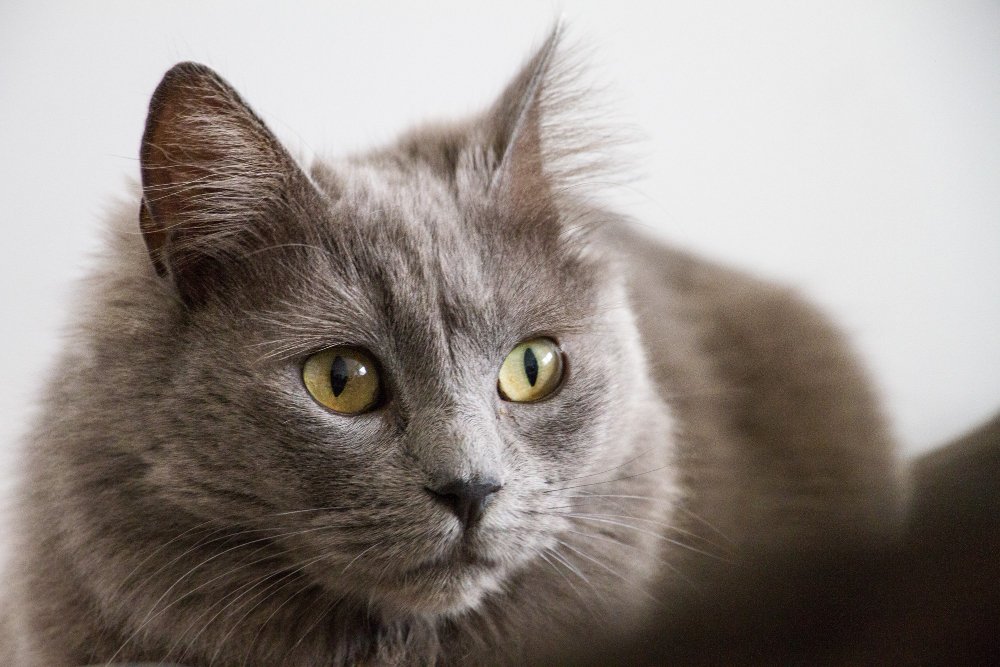
To design an effective indoor exercise regimen, one must understand what makes the Burmilla tick physiologically and genetically.
The Burmilla Genetic Blueprint
-
Burmese Lineage (Drive & Power): High social engagement, intense play drive, vocal communication, and lean muscular power.
-
Chinchilla Persian Heritage (Precision & Calm): Sweet and gentle nature, structural balance, dense silver coat, and affectionate calm.
The Burmese Inheritance: Kinetic Drive and Social Attachment
The Burmese side of the Burmilla pedigree contributes substantial athletic prowess and an intense desire for human companionship. Burmese cats are celebrated for their muscular, compact "brick wrapped in silk" bodies and dog-like interactive habits. They do not merely tolerate human play; they actively demand it.
When this ancestry is expressed in the Burmilla, it manifests as:
-
High problem-solving curiosity: If a cabinet door can be nudged open, a Burmilla will figure out the hinge mechanics.
-
Vertical ambition: They inherit strong hindquarter musculature, enabling impressive vertical leaps from a dead stop.
-
Interactive play demands: Unlike solitary breeds that happily chase a felt mouse alone, Burmillas thrive when play is a shared, reciprocal dialogue with their human caretakers.
The Chinchilla Persian Influence: Deliberate Precision
While the Persian ancestry softens the hyperactivity of the Burmese—infusing the Burmilla with a sweet, companionable baseline—it also adds a layer of quiet, observant intelligence. A Burmilla does not always sprint aimlessly. They will sit motionless atop a shelf, study the flight path of an insect or the swing of a wand toy for three minutes, and execute a single, perfectly calculated strike.
Metabolic Wiring: Sprint Predators vs. Endurance Athletes
A fundamental error in feline exercise planning is treating cats like small dogs. Dogs are coursing predators evolved for pack endurance, capable of trotting alongside a bicycle for miles. Felines are specialized ambush predators.
Their cardiovascular systems and muscle fiber distribution (predominantly fast-twitch glycolytic fibers) are optimized for short, explosive anaerobic bursts. In nature, a hunting cat executes dozens of brief, high-intensity stalk-and-dash sequences throughout the day, each lasting mere seconds to minutes.
Subjecting a cat to a continuous 45-minute play session will often result in disinterest, metabolic exhaustion, or stress. Instead, indoor routines must mirror this biology: short, intense micro-sessions that spike heart rate, engage predatory focus, and end with satisfaction.
2. Burmilla Daily Exercise Quick Reference
| Operational Pillar | Daily Recommendation | Primary Tools & Strategies | Expected Outcome |
|---|---|---|---|
| Interactive Play | 20–30 mins total (divided into 2–3 bursts) | Carbon-fiber wand teasers, feather lures, fleece ribbons | Cardiovascular conditioning, muscle tone, bonding |
| Vertical Pathways | Minimum 5–7 feet vertical height | Floor-to-ceiling cat trees, modular wall shelves, wide perches | Decompression, spatial expansion, joint flexibility |
| Mental Stimulation | 15–20 mins foraging / puzzle tasks | Level 2–3 sliding puzzle boards, treat-dispensing rolling balls | Cognitive fatigue, reduction of stress-related behaviors |
| Independent Play | Passive availability (3–4 rotated items) | Crinkle balls, kicker toys, motorized covert teasers | Solo boredom relief during owner working hours |
| Peak Activity Focus | Early morning (Dawn) & Evening (Dusk) | Mimicking crepuscular hunting cycles before meals | Elimination of midnight zoomies and destructive scratching |
3. The Science of Feline Play: The Predatory Loop
To an indoor cat, play is not frivolous recreation; it is the neurological and biological expression of the hunting sequence. Whenever an indoor cat is denied the ability to execute this sequence completely, frustration builds up.
The Complete Feline Predatory Sequence
-
Stalk: The cat spots the target, lowers its center of gravity, tucks its paws, and assesses distance while dilating pupils.
-
Chase: An explosive sprint engaging the fast-twitch back and hind-limb muscles.
-
Pounce & Capture: Forepaws hook the prey, pulling it inward while hind legs kick (rabbit-kicking) to neutralize the target.
-
Kill Bite & Manipulation: The cat bites down, feeling the tactile resistance of the prey.
-
Eat: Consuming calories directly validates the energy spent during the chase.
-
Groom & Sleep: The parasympathetic nervous system engages, lowering heart rate, inducing self-grooming, and transitioning into deep restorative sleep.
The Problem with Laser Pointers
Laser pointers are widely used by cat owners, but they carry a severe psychological flaw if used incorrectly: the beam cannot be physically caught.
When a Burmilla chases a red dot for 15 minutes without ever feeling tactile feedback under its paws or teeth, the predatory loop remains permanently open. This can cause obsessive-compulsive behaviors, pacing, and redirected aggression toward human ankles or other household pets.
If you use a laser pointer, always transition the beam onto a physical plush toy at the end of the session, letting the cat sink its claws into the fabric, followed immediately by a protein-rich treat to close the loop.
4. Architectural Enrichment: Building a "Cat Superhighway"
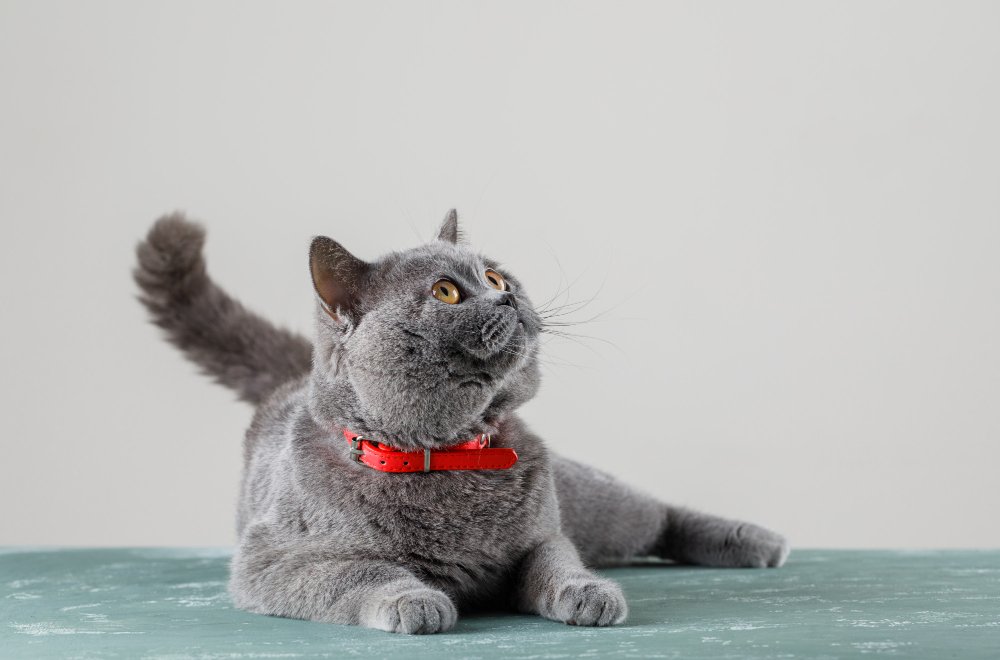
A standard 800-square-foot apartment can feel restrictive to an energetic cat if they are confined to the floor plane. However, by expanding the vertical real estate, you effectively double or triple the usable square footage of your living space.
-
Elevated Window Perches: Positioned high to view outdoor birds and street movement.
-
Staggered Wall Steps: Wooden or sisal-wrapped mounting steps leading to high shelves.
-
Connected Wall Shelves: Continuous pathways that bridge furniture across multiple walls.
-
Sisal-Wrapped Bridges: Rope or bridge connectors linking wall fixtures directly to a main cat tree.
-
Vertical Climbing Towers (6–7 ft): Tall multi-level hubs allowing high-speed floor-to-ceiling climbs.
-
Clear Floor Runways: Open hallway sprint lanes connecting rooms for horizontal acceleration.
Essential Elements of Vertical Highways
-
Continuous Flow (No Dead Ends): The most common mistake in wall-shelf installation is creating a single perch that ends against a corner wall. In multi-pet homes, one cat can easily corner and trap another. Ensure every shelf route has at least two entry and exit points (e.g., jump up from a sofa, walk across shelves, climb down via a sisal-wrapped post).
-
Structural Stability: Burmillas are athletic, solid felines. Wall-mounted steps and trees must be anchored into wall studs using heavy-duty brackets. If a shelf wobbles under their weight during a high-speed leap, the cat may develop a fear response and abandon the entire vertical setup.
-
Surface Traction: Bare, polished wood shelves present slipping hazards during sudden turns. Line all shelves and steps with self-adhesive carpet treads, sisal mats, or cork pads to give claws secure purchase.
-
Strategic Vantage Points: Place vertical perches directly adjacent to windows overlooking bird feeders, garden foliage, or busy street corners. This provides hours of low-stress visual stimulation that prevents mid-day boredom.
5. Structured Action Plan: Designing the Daily Workout
Transforming a chaotic, hyperactive Burmilla into a contented, well-regulated companion requires establishing a predictable daily rhythm. Below is a blueprint for structuring your cat's physical and mental activity across a standard day.
| Time Window | Routine Phase | Activity Focus & Method |
|---|---|---|
| 07:00 AM – 07:15 AM | Morning Predatory Play | High-speed wand feather teaser chase across rooms |
| 07:15 AM – 07:30 AM | Breakfast & Foraging | Meal served in a rolling puzzle feeder or foraging mat |
| 07:30 AM – 01:00 PM | Passive Day Enrichment | Window perch access and independent toy exploration |
| 01:00 PM – 01:10 PM | Mid-Day Mental Break | Short clicker training session or scent puzzle work |
| 01:10 PM – 06:00 PM | Rest & Decompression | Deep sleep cycle in elevated, quiet vertical hideaways |
| 06:00 PM – 06:15 PM | Evening Sprint Session | Tunnel runs, vertical tower dashes, and target pounces |
| 06:15 PM – 06:30 PM | Dinner | Scatter-feeding or food maze challenge |
| 09:30 PM – 09:40 PM | Pre-Bedtime Wind-Down | Gentle ground chase with plush ribbon, followed by a snack |
Step 1: Morning Predatory Play (7:00 AM)
Take advantage of your cat's natural dawn activity spike. Use a wand toy with natural guinea fowl or pheasant feathers.
-
Begin by flicking the toy along the floor, darting behind chair legs, and pausing under rugs.
-
Allow your Burmilla to stalk the lure for 30–60 seconds before initiating the chase.
-
Gradually increase the speed, encouraging vertical jumps up cat trees or over ottomans.
-
Finish by slowing the movement down to mimic an exhausted prey animal, let your cat pin it down, and immediately transition into their morning meal.
Step 2: Active Foraging and Puzzle Feeding (All Day)
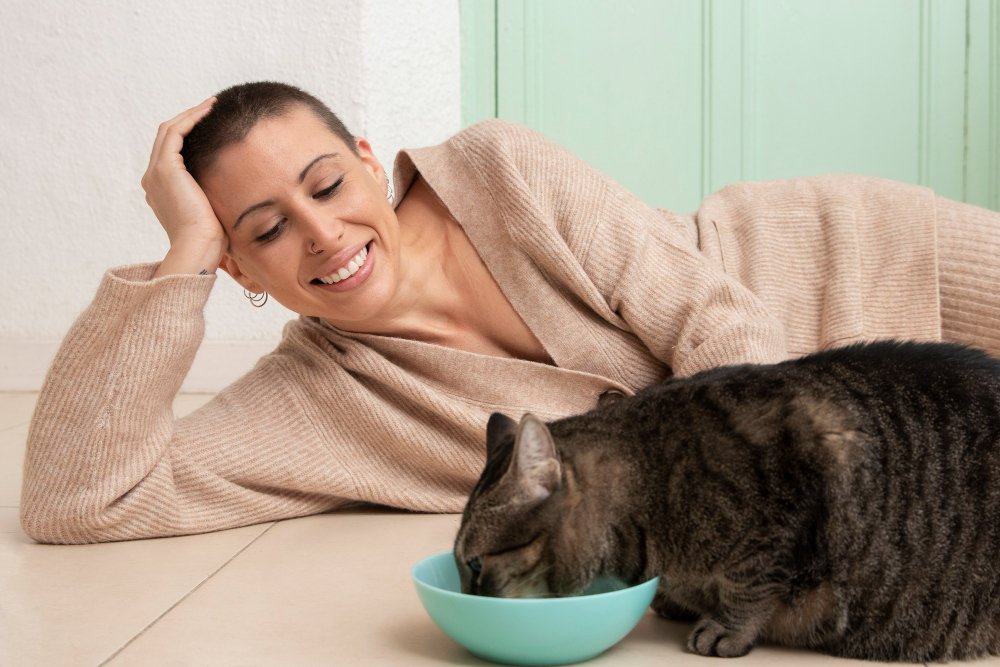
Never feed an active indoor cat exclusively from a standard static bowl. Free-feeding dry kibble removes one of the most powerful natural drivers for physical movement and problem-solving.
-
Beginner Puzzles (Level 1): Plastic rolling balls with adjustable openings that spill kibble across the floor as the cat paws them forward.
-
Intermediate Puzzles (Level 2): Stationary puzzle boards featuring sliding compartments, cups, and peg mazes that require multi-step paw manipulation.
-
Advanced Foraging (Level 3): Hiding small pinch-portions of freeze-dried meat treats across various elevated shelves, inside cardboard foraging boxes filled with crinkle paper, and at the top of climbing posts.
Step 3: Evening Interactive Sprint Session (6:00 PM)
As dusk approaches, your cat enters their secondary natural peak of predatory arousal. This session should focus on horizontal speed and vertical climbing power.
-
Lay out collapsible crinkle tunnels connecting the floor to the base of your cat trees.
-
Guide the wand lure through the tunnels, forcing your cat to calculate navigation at high speed.
-
Encourage full-body vertical climbs up sisal carpet posts.
Step 4: Pre-Bedtime Calming Routine (9:30 PM)
If your Burmilla is prone to 2:00 AM yowling or midnight sprints across your bed, an intentional late-evening routine will reset their circadian rhythm.
-
Keep this session low to the ground to avoid over-arousing their nervous system. Use a thick fleece ribbon or a soft plush kicker toy dragged slowly across a rug.
-
Conclude with a warm, protein-dense wet food snack. Digestion naturally redirects blood flow to the gastrointestinal tract, promoting the release of satiety hormones and facilitating a solid 6 to 8 hours of overnight sleep.
6. Combatting Habituation: The Science of Toy Rotation
A common complaint from cat owners is: "I bought fifty dollars worth of toys, and my cat ignored them after two days."
This is not stubbornness; it is neophilia (attraction to novelty) combined with rapid habituation. In the wild, dead prey does not sit in the same corner for three weeks. If a toy remains static and familiar on the living room rug, a cat’s nervous system learns to categorize it as background furniture rather than an active hunting target.
| Rotation Set | Focus & Materials | Schedule |
|---|---|---|
| Set A (Aerodynamic & Light) | Feather wands, leather ribbons, sisal mice | Active Week 1 |
| Set B (Dense & Tactile) | Real rabbit-fur lures, wool kickers, heavy felt balls | Active Week 2 |
| Set C (Sound & Movement) | High-frequency crinkle balls, ping-pong balls, tunnel hubs | Active Week 3 |
| Set D (Scent-Infused) | Silvervine chew sticks, Valerian pouches, catnip pillows | Active Week 4 |
Best Practices for Toy Management
-
The Rule of Four: Keep only 3 to 4 independent toys out on the floor at any given time.
-
Hermetic Storage: Store all inactive toy sets in airtight plastic containers. Add a mesh sachet filled with dried organic catnip, silvervine (Actinidia polygama), or Valerian root to the storage bin. When a toy set is rotated back into the living room after two weeks, it will smell completely fresh, novel, and stimulating.
-
Texture Diversity: Ensure each rotation features distinct tactile surfaces:
-
Set A: Natural feathers, leather strips, downy textures.
-
Set B: Dense boiled wool, rough sisal ropes, canvas kickers.
-
Set C: High-frequency crinkle films, metallic mylar balls, ping-pong balls for smooth floors.
-
Set D: Rabbit-fur lures, textured rubber chew toys, fleece ribbons.
-
7. Cognitive Conditioning: Clicker Training and Leash Walking
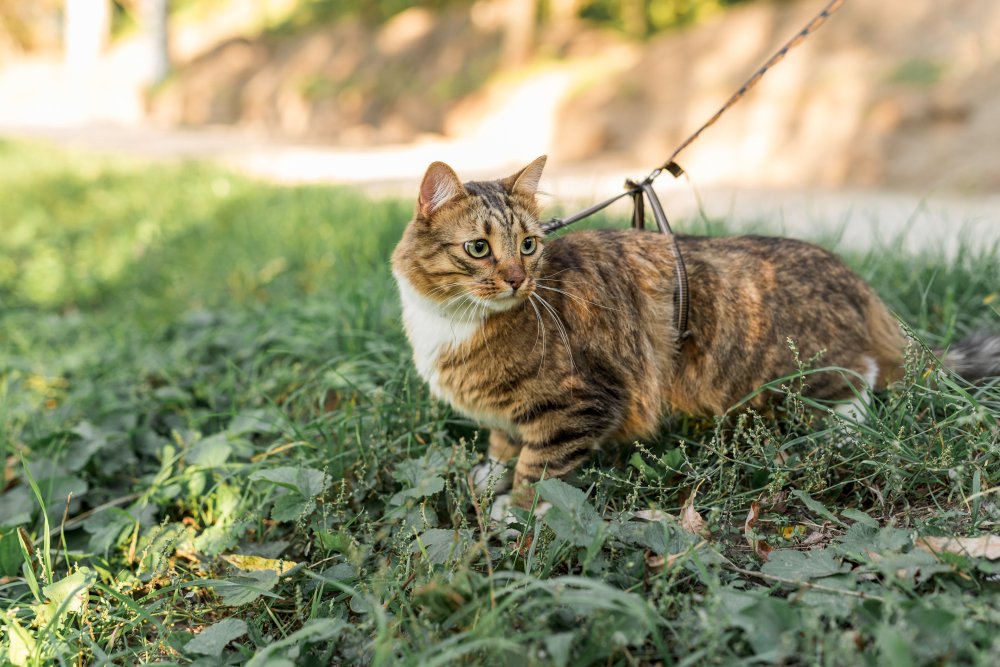
Physical exercise works best when combined with cognitive exertion. Due to their Burmese lineage, Burmillas possess exceptional operant conditioning capabilities. A 10-minute mental training session often expends as much neural energy as a 20-minute physical sprint.
Clicker Training Loop
-
Initiate Cue: Cat performs the targeted action (e.g., touches nose to target stick).
-
Auditory Marker: Immediate sound cue clicked at the exact millisecond of success (
CLICK!). -
High-Value Reward: Immediate delivery of a protein treat (freeze-dried chicken or salmon paste).
Exercise 1: Target Stick Training
-
Hold a plastic target stick (or the end of a chopstick) 2 inches from your Burmilla’s nose.
-
The moment they lean forward to sniff the tip, press the clicker (
CLICK!) and offer a treat. -
Repeat 5–8 times until the cat understands that touching the tip triggers the reward.
-
Gradually move the target stick across the room, over obstacles, or up the steps of a cat tree. You can now guide your cat through full physical agility courses without touching or carrying them.
Exercise 2: The "High-Five" and "Sit"
-
Hold a treat directly above your Burmilla's forehead. As their head tilts up, their rear naturally lowers to the floor.
-
The instant their hindquarters touch the ground, click and reward.
-
Once the "sit" is reliable, hold a treat slightly out of reach. When the cat instinctively raises a front paw to reach for it, capture that paw movement with a click and treat to shape a high-five.
Outdoor Leash Exploration (Harness Training)
For households without space for a dedicated outdoor enclosure (catio), harness walking provides unmatched sensory enrichment.
| Progression Phase | Duration | Training Steps & Milestones |
|---|---|---|
| Phase 1: Scent & Presence | Days 1–3 | Place the harness beside the food bowl during daily meals. |
| Phase 2: Indoor Wear (Unfastened) | Days 4–8 | Slip harness over shoulders for 3–5 minutes during treat delivery. |
| Phase 3: Fastened with Trailing Leash | Days 9–14 | Fasten harness fully and let cat walk around inside with loose leash. |
| Phase 4: Outdoor Sensory Walking | Ongoing | Explore quiet garden patches, balconies, or indoor hallways. |
-
Controlled Outdoor Exploration: Never treat a cat walk like a dog walk. Cats do not walk in straight lines along sidewalks. Feline walks are stationary, sensory expeditions: sniffing grass blades, watching bugs, and exploring bushes. Always carry a secure cat backpack or carrier so the cat has an immediate safe haven if a dog or loud vehicle approaches.
8. Life Stage Exercise Adjustments
An exercise routine must evolve alongside your Burmilla’s musculoskeletal development, metabolic rate, and joint health.
| Life Stage | Core Focus | Daily Intensity & Duration | Crucial Precautions |
|---|---|---|---|
| Kittens (0–12 Months) | Neuromuscular control & socialization | 4–6 micro-bursts of 3–5 minutes | Supervise descents; growth plates remain open until ~12 months |
| Adults (1–10 Years) | Cardiovascular & muscle maintenance | 2–3 intense sessions of 10–15 minutes | Prevent boredom-induced weight gain and destructive scratching |
| Seniors (10+ Years) | Joint mobility & cognitive care | 2–3 gentle sessions of 5–8 minutes | Monitor for arthritis; provide ramps and non-slip floor treads |
Kittens (0–12 Months): Motor Skills and Boundary Setting
Burmilla kittens possess boundless, erratic energy. Their attention spans are short, leaping from a wand toy to a speck of dust in milliseconds.
-
Session Structure: Keep play sessions very short (3–5 minutes) but repeat them 5 to 6 times daily.
-
Bite Inhibition: Never use bare hands or wiggling fingers as toys during this phase. If a kitten pounces on your hands, instantly freeze, produce a vocal high-pitched "ouch," and replace your hand with a plush kicker toy. Allowing hand-wrestling in kittenhood creates an adult cat that bites during overstimulation.
-
Structural Safety: Young kittens have fearless curiosity but incomplete depth perception and soft growth plates. Ensure cat trees have intermediate platforms so a fall does not exceed 3 feet onto hard flooring.
Adults (1–10 Years): Peak Performance and Weight Management
During adulthood, the metabolic rate naturally stabilizes, making indoor cats vulnerable to obesity if activity drops while caloric intake remains constant.
-
Preventing "Couch Potato Drift": Adult Burmillas may settle into long sleep routines if unprompted, but they retain high latent energy. Do not wait for them to ask for play; initiate structured play at consistent times daily.
-
Maintaining Lean Mass: High-intensity vertical chases up towers help maintain strong spinal musculature and abdominal tone, supporting core health throughout midlife.
Seniors (10+ Years): Low-Impact Enrichment and Mobility Care
As felines enter their geriatric years, degenerative joint disease (osteoarthritis) becomes prevalent, affecting up to 90% of cats over 12 years old.
-
Low-Impact Modification: Replace dramatic vertical leaps with ground-level foraging mats, slow-moving fleece ropes, and scent puzzles.
-
Environmental Adjustments: Install non-slip ramps or stepped footstools next to beds and sofas so your senior Burmilla can access their favorite high perches without landing hard on aging front carpal joints.
-
Cognitive Support: Continue puzzle feeding with easily accessible, low-barrier puzzle boards to keep senior cognitive pathways sharp and stave off Feline Cognitive Dysfunction (FCD).
9. Veterinary Red Flags: When Exercise Becomes a Medical Concern
While energetic play is a sign of good health, distinct clinical indicators separate healthy exertion from acute physiological distress.
| Clinical Indicator | Normal Exertion | Emergency / Veterinary Concern |
|---|---|---|
| Respiration | Rapid nasal breathing resolving quickly | Open-mouth panting, wheezing, or coughing |
| Gum & Tongue Color | Bright pink and moist | Pale, grayish, or blue-tinted gums |
| Post-Play Stance | Relaxed side flop onto cool tile | Collapsing, trembling, or inability to rise |
| Movement / Jumping | Fluid leaps and confident landings | Hesitating at low heights, limping, or vocalizing |
| Handling Response | Receptive to gentle petting or resting | Hissing, swatting, or flinching along lower spine |
Critical Warning Signs
-
Open-Mouth Breathing or Panting: Unlike dogs, cats should never pant routinely during or after exercise. Feline panting indicates acute respiratory distress, severe hyperthermia, or cardiovascular compromise (such as Hypertrophic Cardiomyopathy, or HCM). If your Burmilla begins open-mouth breathing, stop all play immediately, place them in a cool, quiet room, and consult your veterinarian.
-
Exercise Intolerance: If a previously energetic Burmilla suddenly stops playing after 60 seconds, sits down heavily, or refuses to jump, schedule a veterinary diagnostic workup. This often points to early-stage feline asthma, heart murmurs, or subclinical orthopedic pain.
-
Hesitation Before Jumping: Staring intensely at a low couch or shelf, crouching repeatedly, but failing to jump is a classic clinical marker of musculoskeletal or spinal pain.
-
Aggressive Vocalization When Handled Post-Play: Hissing, growling, or tail-flicking when touched along the lower back or hips indicates acute soreness or underlying hip dysplasia.
10. Frequently Asked Questions (FAQs)
Q: How much daily exercise does a Burmilla cat actually need?
A: An adult Burmilla requires approximately 20 to 30 minutes of direct, interactive play daily, ideally divided into two or three 10-minute high-intensity sessions. This should be supported by passive enrichment, such as accessible vertical climbing trees, window perches, and foraging puzzle feeders throughout the day.
Q: Why does my Burmilla get intense "zoomies" late at night?
A: Frequent midnight zoomies are almost always a sign of unmet predatory energy during daytime hours. Because cats are naturally crepuscular (active at dawn and dusk), an evening interactive session at 9:00 PM followed by a protein-rich meal will reset their biological clock, allowing both cat and owner to sleep peacefully through the night.
Q: Can automatic or battery-operated toys replace interactive play?
A: No. Automated laser disks and motorized rolling balls are useful supplements to keep your cat occupied while you work, but they cannot replace owner-led play. Automated toys move mechanically and lack the responsive, erratic behavior of natural prey. Furthermore, they do not provide the social bonding and tactile satisfaction that comes from human-guided play.
Q: Is an apartment big enough for an energetic Burmilla?
A: Absolutely. A cat's perception of territory is 3-dimensional, not 2-dimensional. An 800-square-foot apartment equipped with ceiling-high cat trees, wall-mounted climbing highways, foraging stations, and consistent daily interactive play routines meets a Burmilla's needs far better than a 4,000-square-foot house with bare floors and no structured stimulation.
Q: My Burmilla seems unmotivated by toys. How can I get them to play?
A: Reluctance to play usually comes down to technique, timing, or toy presentation. Ensure you are not waving the toy directly in their face (which felines perceive as threatening or unnatural). Prey always moves away from the predator, hiding behind corners or darting under rugs. Additionally, time your play sessions right before meals when your cat is slightly hungry, and experiment with different lure textures like real feathers, rabbit fur, or silvervine-infused fabrics.
Final Thoughts: Channeling Energy into Connection
Living with a Burmilla means sharing your home with an intelligent, agile, and socially engaged companion. Their boundless energy is not a behavioral defect to suppress or manage—it is the very engine of their intelligence and charm.
By investing in vertical cat superhighways, establishing a predictable rhythm of predatory play micro-sessions, replacing static food bowls with foraging puzzles, and rotating toys to keep novelty alive, you provide the constructive outlets this hybrid breed needs. In return, your Burmilla will reward you with exceptional loyalty, athletic grace, and a deep, affectionate bond for years to come.


Comments
No comments yet. Be the first to share your thoughts.