
How Much Exercise Does Your Dog Really Need? A Breed-by-Breed Guide


Most people assume a dog’s activity needs are written in their DNA based on their breed, but it really comes down to the individual soul at the end of your leash. While a Greyhound and a French Bulldog might both eventually end up snoring on your sofa, the journey that gets them to that peaceful nap is a completely different story for each of them. Learning to read what your own dog truly needs to stay healthy is more than just another task on a daily checklist. It is a fundamental part of loving them and ensuring they live the vibrant life they deserve
If you live with a high-energy dog and they don’t get enough exercise, you’ll see it—chewed shoes, restless pacing, maybe a little extra weight sneaking up on them. But if you push a laid-back or short-nosed dog too hard, you’re looking at sore joints or breathing trouble. The right amount isn’t just a number. It’s different for every single dog.
This guide is here to break down what different breeds actually need, with real-world advice for real dogs. My goal is to help you build a plan that fits your dog, not just some checklist you found online.
Understanding Exercise vs. Activity vs. Mental Stimulation
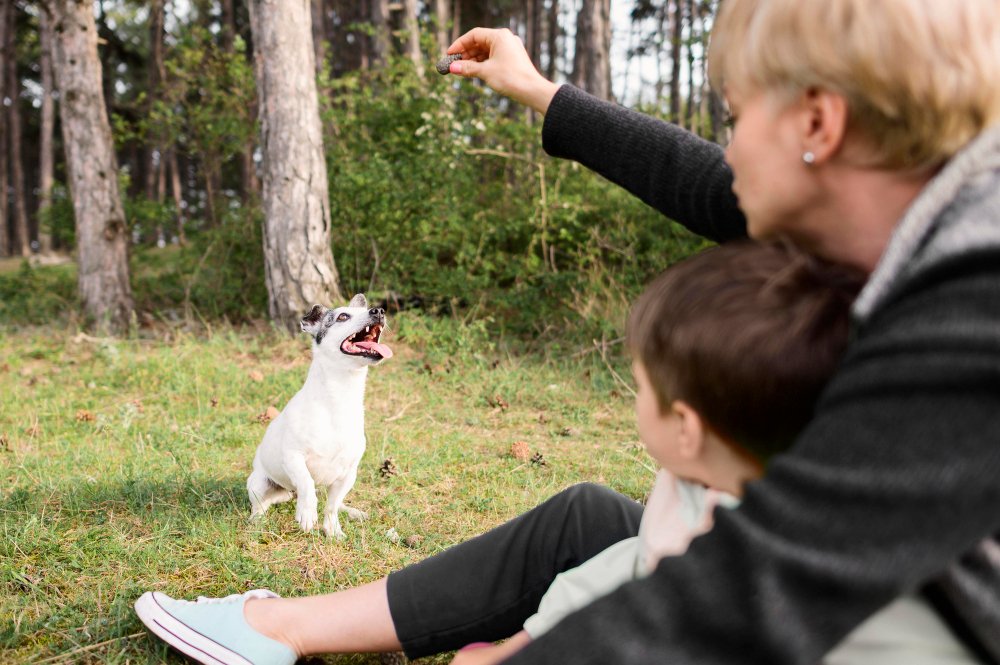
Dogs need three types of engagement:
Physical exercise is the stuff that gets your dog’s heart pumping—running, swimming, playing fetch, long walks. This is what most people picture when they think about exercise for their dog.
General activity is the low-key movement that happens all day long—playing in the yard, wandering around the house, sniffing every blade of grass during a potty break. It keeps joints loose and bodies from getting stiff.
Mental exercise is just as important—think training sessions, puzzle toys, scent games. For smart dogs, working their brain can wear them out faster than a run around the block.
The best exercise plan isn’t just about running your dog until they flop down. It’s about mixing it up—physical, mental, and the little movements that happen every day. A Border Collie needs to work their brain as much as their legs. A Bulldog just needs enough gentle movement to keep the weight off and the joints moving. There’s no one-size-fits-all.
Key Factors That Affect Exercise Needs
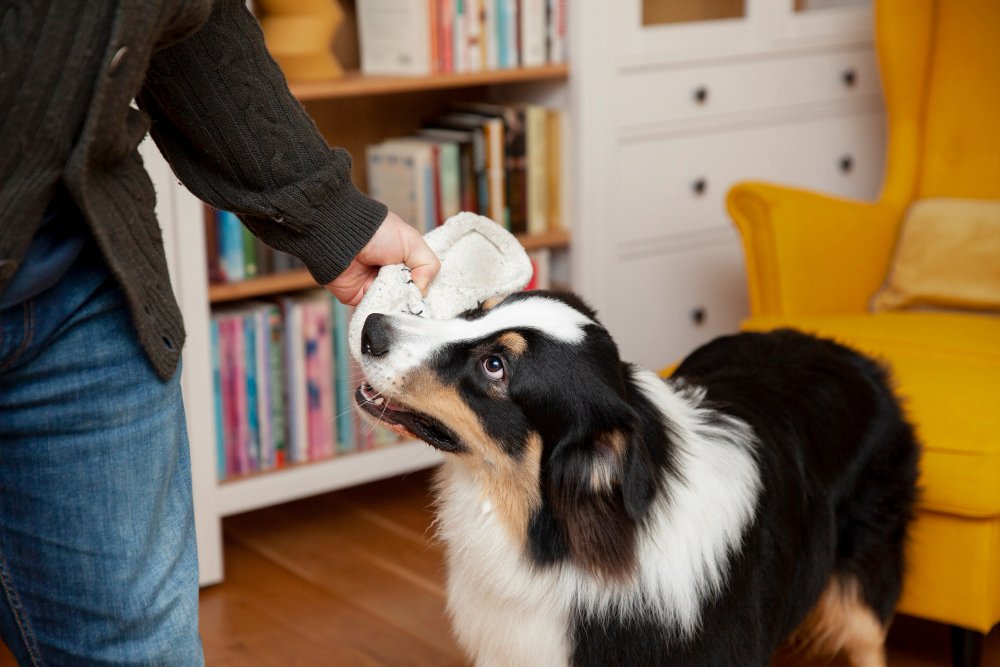
Age changes everything. Puppies aren’t built for marathons. They need short bursts of play, not long walks, because their bones are still figuring out how to be strong. Older dogs slow down, too. They need shorter, gentler outings and more time to recover.
If your dog has health problems, their exercise plan needs to change. Before you try anything new, ask your vet. It’s always better to ask than to guess.
If your dog is carrying extra weight, they’ll tire out faster and their joints will feel it. Start slow. Take gentle walks, a little at a time, and build up as they get stronger.
Hot days mean shorter walks for everyone, but especially for dogs with short noses. Cold days are tough on the little guys, and dogs with thin coats need extra help to stay comfortable.
No two dogs are exactly alike, even if they look the same on paper. Some Beagles are couch potatoes, others are little tornadoes. The best way to know what your dog needs? Watch them. They’ll show you with their energy, their restlessness, or their contentment.
Exercise Requirements by Breed Group
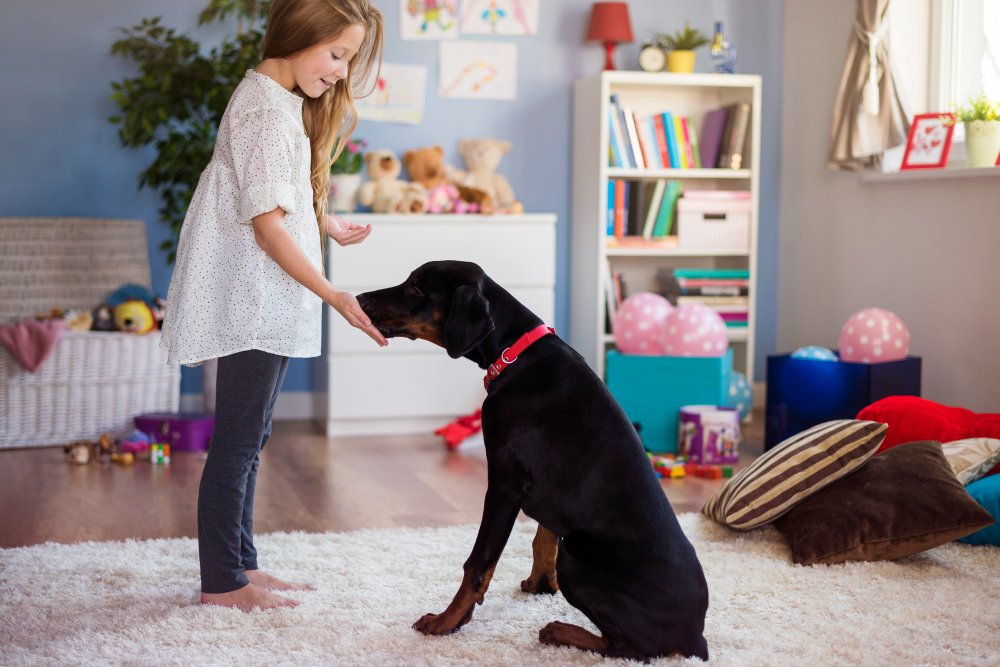
Working Group (High to Very High Energy)
Daily Exercise Needed: 60 to 120+ minutes
Working breeds weren’t made to nap all day. These are the dogs who pulled sleds, guarded livestock, and herded animals for hours. They have stamina to spare, and if you don’t give them a job, they’ll find one—sometimes in ways you won’t love.
Breeds in this category:
- Siberian Husky: 90 to 120 minutes daily, loves running, pulling, and cold-weather activities
- Alaskan Malamute: 90 to 120 minutes daily, needs heavy-duty exercise like weight pulling or sledding.
- Boxer: 60 to 90 minutes daily, high-intensity play, running, and agility training
- Doberman Pinscher: 60 to 90 minutes daily, running, biking, and protection sports
- Rottweiler: 60 to 90 minutes daily, walking, jogging, and strength-based activities
- Bernese Mountain Dog: 60 to 90 minutes daily, moderate-intensity hiking and pulling
- Great Dane: 30 to 60 minutes daily, despite size, prone to joint issues, so avoid high-impact exercise
Exercise Ideas: Bikejoring, canicross, weight pulling, long hikes with a weighted backpack, swimming, advanced obedience training, and protection sports.
Herding Group (Very High Energy)
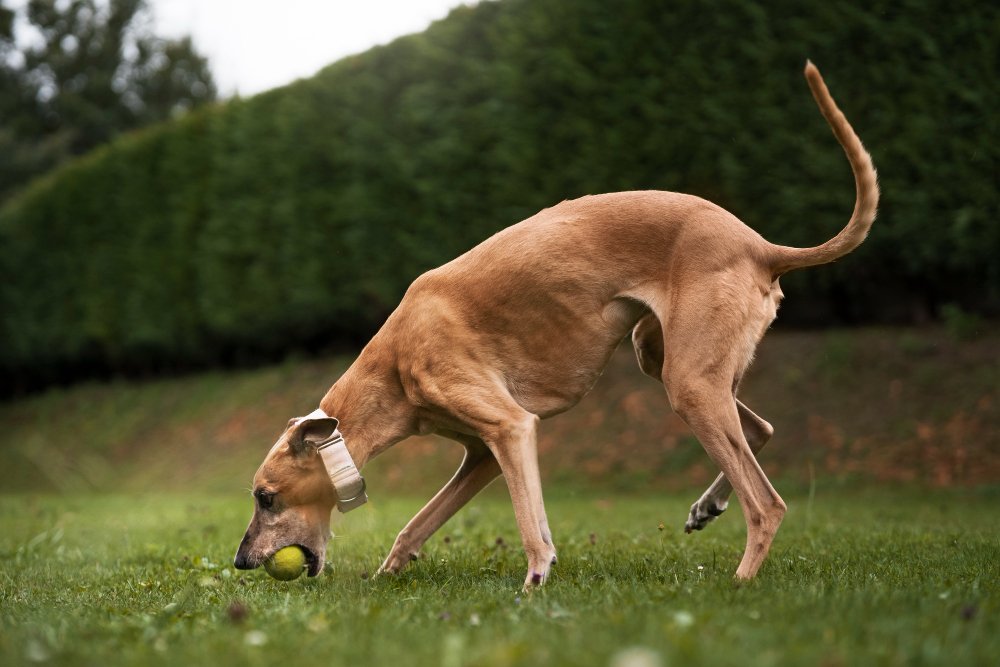
Daily Exercise Needed: 90 to 120+ minutes
Herding breeds are the overachievers of the dog world: smart, tireless, and always looking for something to do. They were built to work sunup to sundown, thinking on their feet and covering miles. If you don’t give them both a workout and a puzzle, they’ll invent their own games.
Breeds in this category:
- Border Collie: 120+ minutes daily, needs running, agility, herding, and daily training
- Australian Shepherd: 90 to 120 minutes daily, thrives on agility, frisbee, and herding work.
- Australian Cattle Dog: 90 to 120 minutes daily, extremely high stamina, needs a job to do
- German Shepherd: 90 to 120 minutes daily, running, hiking, protection work, and training
- Belgian Malinois: 120+ minutes daily, one of the most intense breeds, needs advanced work.
- Pembroke Welsh Corgi: 60 to 90 minutes daily, lower intensity but still very active
- Shetland Sheepdog: 60 to 90 minutes daily, agility, and herding instincts
Exercise Ideas: Agility courses, herding lessons, advanced trick training, frisbee, flyball, dock diving, long trail runs, bikejoring.
If you skip their exercise, herding dogs will find their own outlet, chewing, chasing shadows, or herding your kids around the house. It’s not misbehavior; it’s just who they are.
Sporting breeds were bred for long days in the field, retrieving, pointing, and flushing birds, and were always ready for the next adventure. They’re usually water lovers and happiest when they have a job to do.
Breeds in this category:
- Labrador Retriever: 60 to 90 minutes daily, swimming, fetching, and running
- Golden Retriever: 60 to 90 minutes daily, loves water, retrieving, and hiking.
- English Springer Spaniel: 60 to 90 minutes daily, field work, running, and swimming
- German Shorthaired Pointer: 90 to 120 minutes daily, extremely high stamina, needs running.
- Vizslas: 90 to 120 minutes daily; called "Velcro dogs," they need intense exercise and companionship.
- Weimaraner: 90 to 120 minutes daily, powerful runners, need off-leash exercise
- Cocker Spaniel: 45 to 60 minutes daily, moderate energy, loves walks and play.
- Brittany: 90 to 120 minutes daily, tireless athletes, love field work
Exercise Ideas: Swimming, dock diving, fetch sessions, hiking, jogging, hunting training, field trials, nose work.
Hound Group (Moderate to High Energy)
Daily Exercise Needed: 30 to 90 minutes
Hounds come in two flavors: the ones who chase what they see, and the ones who follow their nose wherever it leads. What tires them out depends on which kind you have.
Sight Hounds (Moderate to High Energy):
- Greyhound: 30 to 60 minutes daily, loves short sprints but surprisingly lazy otherwise
- Whippet: 45 to 60 minutes daily, needs daily sprint opportunities
- Saluki: 60 to 90 minutes daily, marathon runners with incredible endurance
- Afghan Hound: 60 to 90 minutes daily, needs space to run freely
Scent Hounds (Moderate Energy):
- Beagle: 60 to 90 minutes daily, endless stamina for following scents
- Basset Hound: 30 to 45 minutes daily, shorter legs, but loves sniff walks.
- Bloodhound: 60 to 90 minutes daily, needs long sniffy walks and tracking work
- Dachshund: 30 to 45 minutes daily, avoid jumping due to the long spine.
Exercise Ideas: Lure coursing for sight hounds, scent work and tracking for scent hounds, long sniff walks, safe off-leash running areas, hiking.
Terrier Group (Moderate to High Energy)
Daily Exercise Needed: 45 to 90 minutes
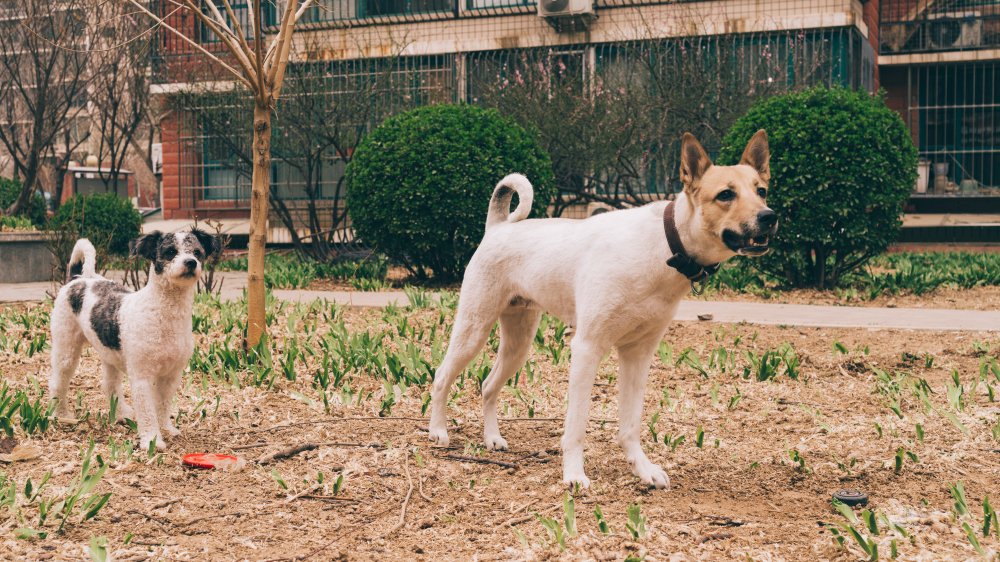
Terriers are small but mighty—born to hunt, dig, and never back down from a challenge. Don’t let their size fool you; they have energy to burn and need both exercise and brain games, or they’ll find their own ways to stay busy (like digging up your garden).
Breeds in this category:
- Jack Russell Terrier: 60 to 90 minutes daily, extremely high energy, needs vigorous play.
- Bull Terrier: 60 to 90 minutes daily, powerful and athletic, loves structured exercise.
- Airedale Terrier: 60 to 90 minutes daily, the largest terrier, very athletic
- West Highland White Terrier: 45 to 60 minutes daily, feisty and active
- Scottish Terrier: 30 to 45 minutes daily, moderate energy but stubborn
- Staffordshire Bull Terrier: 60 to 90 minutes daily, muscular and powerful, needs outlets
Exercise Ideas: Dig pits in the yard, flirt poles, fetch, tug games, barn hunt, earthdog trials, and agility.
Toy Group (Low to Moderate Energy)

Daily Exercise Needed: 20 to 45 minutes
Toy breeds might be lap dogs, but they still need to move. A little daily activity keeps their joints loose and their waistlines in check—even if their favorite place is curled up next to you.
Breeds in this category:
- Chihuahua: 20 to 30 minutes daily, short walks, and indoor play
- Yorkshire Terrier: 30 to 45 minutes daily, surprisingly active for their size
- Pomeranian: 30 to 45 minutes daily, energetic and playful
- Shih Tzu: 20 to 30 minutes daily, prefers leisurely walks
- Maltese: 20 to 30 minutes daily, gentle exercise
- Cavalier King Charles Spaniel: 30 to 45 minutes daily, more active than most toys
- Pug: 30 to 45 minutes daily, avoid heat and over-exertion
- Papillon: 30 to 45 minutes daily, surprisingly athletic and agile
Exercise Ideas: Short walks, indoor play, gentle fetch, agility for tiny dogs, stairs (for healthy adults).
Non-Sporting Group (Low to Moderate Energy)
Daily Exercise Needed: 30 to 60 minutes
The non-sporting group is a mixed bag—dogs that don’t quite fit anywhere else. Their exercise needs are all over the map, so you have to know your dog, not just their label.
Breeds in this category:
- Bulldog (English): 20 to 30 minutes daily, very low intensity, avoid heat completely
- French Bulldog: 20 to 30 minutes daily, short walks only, prone to breathing issues
- Boston Terrier: 30 to 45 minutes daily, more active than other brachycephalic breeds
- Poodle (Standard): 60 to 90 minutes daily, very athletic and intelligent
- Poodle (Miniature/Toy): 30 to 45 minutes daily, adaptable energy
- Dalmatian: 90 to 120 minutes daily, marathon runners, extremely high energy
- Chow Chow: 30 to 45 minutes daily, independent and moderate energy
- Bichon Frise: 30 to 45 minutes daily, playful and adaptable
Exercise Ideas: Varies dramatically by breed. Bulldogs need climate-controlled, gentle walks. Dalmatians need marathon training. Poodles excel at agility and swimming.
Special Considerations for Brachycephalic Breeds
Flat-faced breeds, such as Bulldogs, Pugs, Frenchies, Boston Terriers, Shih Tzus, and Pekingese, struggle to breathe and can’t handle heat like other dogs. Their bodies just aren’t built for it.
Critical Safety Guidelines:
- Exercise only during the coolest parts of the day.
- Never exercise in temperatures above 70°F (21°C)
- Watch for signs of breathing distress: excessive panting, blue gums, and collapse.
- Keep sessions short (10 to 15 minutes maximum)
- Always have water available.
- Consider indoor, air-conditioned exercise.
- Swimming can be dangerous due to the body's structure.
- Avoid strenuous activity entirely.
Many flat-faced breeds have Brachycephalic Obstructive Airway Syndrome (BOAS) and might need surgery to help them breathe. Talk to your vet about which exercises are safe for your dog.
Puppy Exercise Guidelines: The 5-Minute Rule
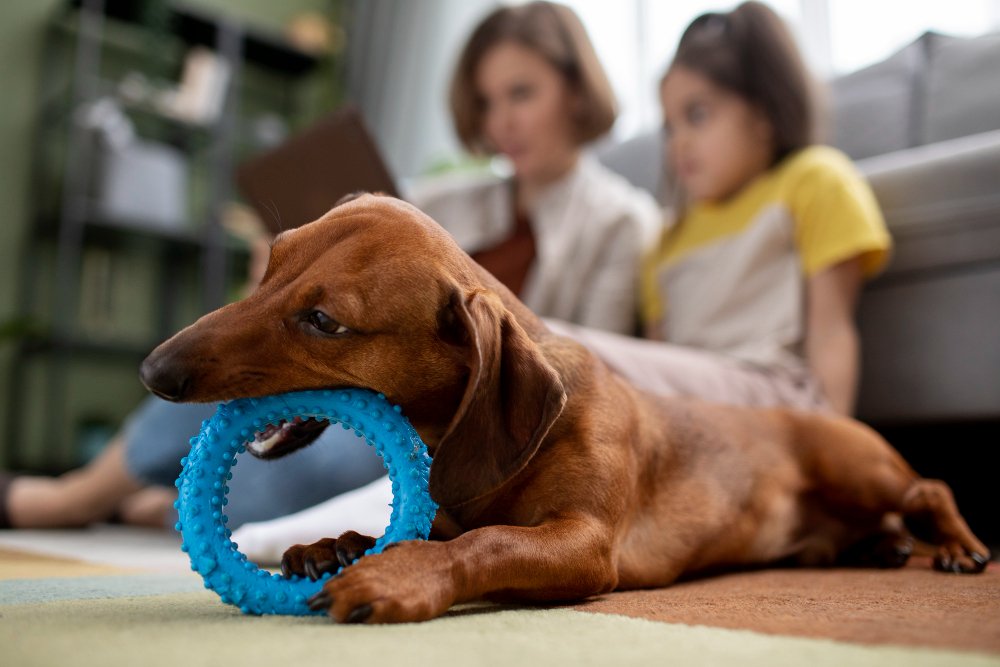
Puppies are still under construction. Their bones don’t finish hardening until they’re at least a year old, sometimes longer. Too much exercise now can cause problems that last a lifetime.
The 5-Minute Rule: Exercise your puppy for 5 minutes per month of age, twice daily.
Examples:
- 3-month-old puppy: 15 minutes, twice daily (30 minutes total)
- 6-month-old puppy: 30 minutes, twice daily (60 minutes total)
- 12-month-old puppy: 60 minutes, twice daily (120 minutes total)
What counts as exercise:
- Structured walks on pavement
- Jogging or running
- Jumping (on/off furniture, agility obstacles)
- Repetitive ball fetching
- Stairs (especially going down)
What doesn't count:
- Free play in the yard
- Playing with other puppies
- Swimming (low-impact)
- Short training sessions
- Sniffing and exploring
Giant breed puppies like Great Danes, Mastiffs, and Saint Bernards need even more careful exercise as they grow. Getting older changes everything for dogs, just like it does for us. Seniors—usually over 7 for big dogs, over 10 for the little ones—still need to move, but it’s about gentle, regular activity to keep their bodies and minds working.
Signs your senior needs modified exercise:
- Stiffness after exercise
- Reluctance to jump or climb stairs
- Limping or favoring a leg
- Excessive panting or fatigue
- Taking longer to recover after walks
Senior exercise guidelines:
- Shorter, more frequent walks instead of long sessions
- Low-impact activities like swimming or underwater treadmills
- Gentle stretching and massage
- Maintain routine but reduce intensity.
- Add joint supplements and pain management as needed.
- Consider physical therapy or rehabilitation.
Best exercises for seniors:
- Slow, steady walks on soft surfaces
- Swimming (with a life vest for safety)
- Gentle fetch with soft toys
- Sniff walks at their own pace.
- Indoor obstacle courses at ground level
- Gentle tug games
Don’t stop moving your senior dog unless your vet tells you to. Rest is good, but too much of it makes muscles fade and joints stiffen faster than you’d expect.
Signs Your Dog Is Under-Exercised
Physical signs:
- Weight gain despite normal eating
- Restlessness and inability to settle
- Destructive chewing or digging
- Excessive barking or whining
- Hyperactivity and zoomies indoors
- Pulling excessively on the leash
- Jumping on people compulsively
Behavioral signs:
- Attention-seeking behavior
- Reactivity toward other dogs or people
- Anxiety and stress behaviors
- Obsessive behaviors (tail chasing, shadow chasing)
- Difficulty focusing during training
- Sleep disturbances
If you’re seeing a few of these signs, your dog is telling you they need more walks, more play, more things to think about. Listen to what they’re trying to say.
Signs Your Dog Is Over-Exercised
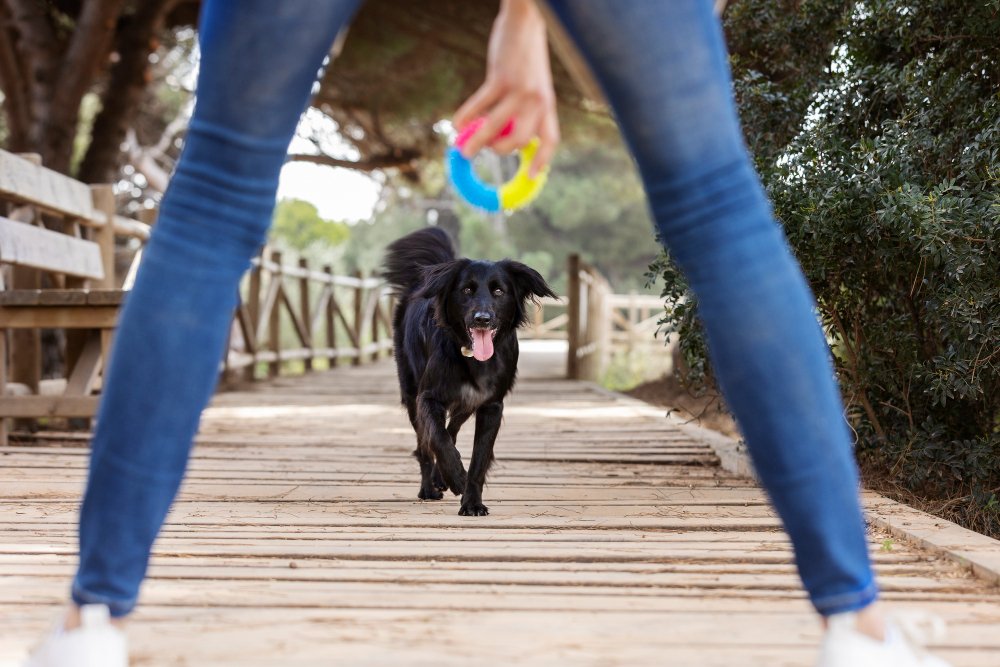
You can overdo it. Too much exercise leaves your dog exhausted, sore, and at risk for injuries that don’t heal easily.
Warning signs:
- Excessive panting that doesn't stop after rest
- Sore muscles or limping
- Reluctance to exercise or play
- Excessive sleeping (more than 14-16 hours for adults)
- Worn or bleeding paw pads
- Behavioral changes (irritability, withdrawal)
- Heat exhaustion symptoms (drooling, vomiting, weakness)
If you spot these warning signs, cut back. Let your dog rest. If things don’t improve, call your vet.
Creating the Perfect Exercise Plan for Your Dog
Step 1: Assess Your Dog's Starting Point
- Current fitness level
- Age and health status
- Breed exercise requirements
- Your available time and resources
Step 2: Set Realistic Goals
- Start conservatively if your dog is currently sedentary.
- Gradually increase duration and intensity over 4-6 weeks.
- Build rest days into the schedule.
Step 3: Diversify Activities
- Mix walking, running, swimming, and play.
- Include mental stimulation daily.
- Rotate activities to prevent boredom.
- Try new environments regularly.
Step 4: Monitor and Adjust
- Watch for signs of fatigue or soreness.
- Track behavior changes
- Adjust based on the weather and season.
- Increase or decrease as needed.
Sample Weekly Plan (High-Energy Adult Dog):
- Monday: 45-minute morning walk + 20-minute evening fetch session
- Tuesday: 60-minute hiking trail + 15-minute training session
- Wednesday: 30-minute morning walk + 30-minute agility practice
- Thursday: 45-minute morning walk + 20-minute puzzle toys
- Friday: 60-minute swimming session + gentle evening walk
- Saturday: 90-minute long hike or adventure
- Sunday: 30-minute morning walk + rest day with enrichment toys
Exercise Alternatives for Bad Weather Days
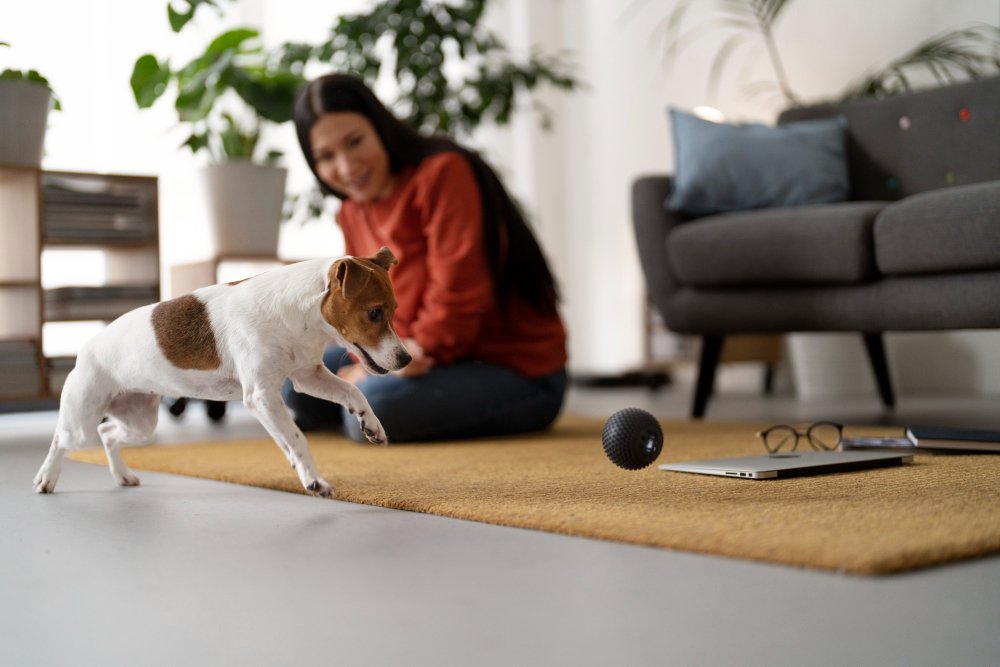
When the weather keeps you inside, get creative with indoor activities.
Indoor exercise ideas:
- Treadmill training (start slowly and supervise always)
- Indoor fetch in a hallway or basement
- Hide-and-seek with treats or toys
- Stair workouts (for healthy adults only)
- Tug-of-war games
- Indoor agility with household items
- Training new tricks
- Puzzle toys and food dispensers
- Doggy daycare or indoor dog gym
- Sniff games with hidden treats
Mental stimulation alternatives:
- Frozen Kong toys
- Puzzle feeders and treat dispensers
- Scent work and nose games
- Training sessions (15-20 minutes)
- Chew toys and bully sticks.
- New tricks and commands
- Brain games and problem-solving
A tired brain can be just as satisfying as a tired body. On days when you can’t get outside, give your dog puzzles and games to work their mind. You’ll both be better for it.
Frequently Asked Questions
Can I split my dog's exercise into multiple short sessions throughout the day?
Absolutely. Multiple shorter sessions are often better than one long session, especially for puppies, seniors, and brachycephalic breeds. Three 20-minute walks can be more beneficial than one 60-minute walk.
How do I know if I'm exercising my dog enough?
A well-exercised dog should be calm and relaxed at home, able to settle and rest without constant restlessness. They should maintain a healthy weight, show good muscle tone, and not exhibit destructive behaviors born from boredom.
Is walking enough exercise for my dog?
For low-energy breeds and seniors, walking may be sufficient. For high-energy breeds, walking alone typically isn't enough. They need opportunities to run, sprint, and engage in vigorous play to truly tire them out.
Should I exercise my dog before or after meals?
Wait at least 30-60 minutes after meals before vigorous exercise to reduce the risk of bloat, especially in large, deep-chested breeds. Light walks are fine after eating, but save intense exercise for before meals or 2+ hours after.
My dog is overweight. How should I start an exercise program?
Start very slowly with short, low-intensity walks. Gradually increase duration over several weeks. Focus on diet changes first, as weight loss is 80% diet and 20% exercise. Consult your veterinarian for a safe plan.
Can dogs exercise too much?
Yes. Over-exercising can lead to injuries, joint damage, heat exhaustion, and chronic fatigue. Young puppies and senior dogs are especially vulnerable. Build fitness gradually and watch for signs of overexertion.
What's the difference between physical and mental exercise?
Physical exercise works the body through movement and exertion. Mental exercise works the brain through problem-solving, training, and scent work. Mental exercise tires dogs out faster than physical exercise and is essential for intelligent breeds.
Final Thoughts: Exercise Is Health Care, Not Optional
Exercise isn’t a bonus for dogs; it is a requirement; it’s as important as food, water, or a trip to the vet. It keeps their bodies strong, their minds sharp, and their behavior in check.
Too little exercise, and your dog risks weight gain, sore joints, and a shorter life. Too much, and you could be dealing with injuries that never quite heal. The sweet spot is different for every dog, but it’s worth finding.
Start with your dog’s current abilities, not where you wish they were. Increase activity slowly and stay consistent. Mix physical exercise with mental activities. Change the routine as your dog gets older. Most importantly, watch your dog’s behavior and body language for clues about what they need.
A well-exercised dog is a joy to be around. Calm, happy, and deeply connected to you, the time you invest comes back tenfold in tail wags, peaceful evenings, and a bond that only gets stronger.


Comments
No comments yet. Be the first to share your thoughts.